
 English
 日本語
日本語 한국어
한국어 Deutsch
 中文简体
中文简体Air Compression Foot Massagers: How Much Pressure Is Enough
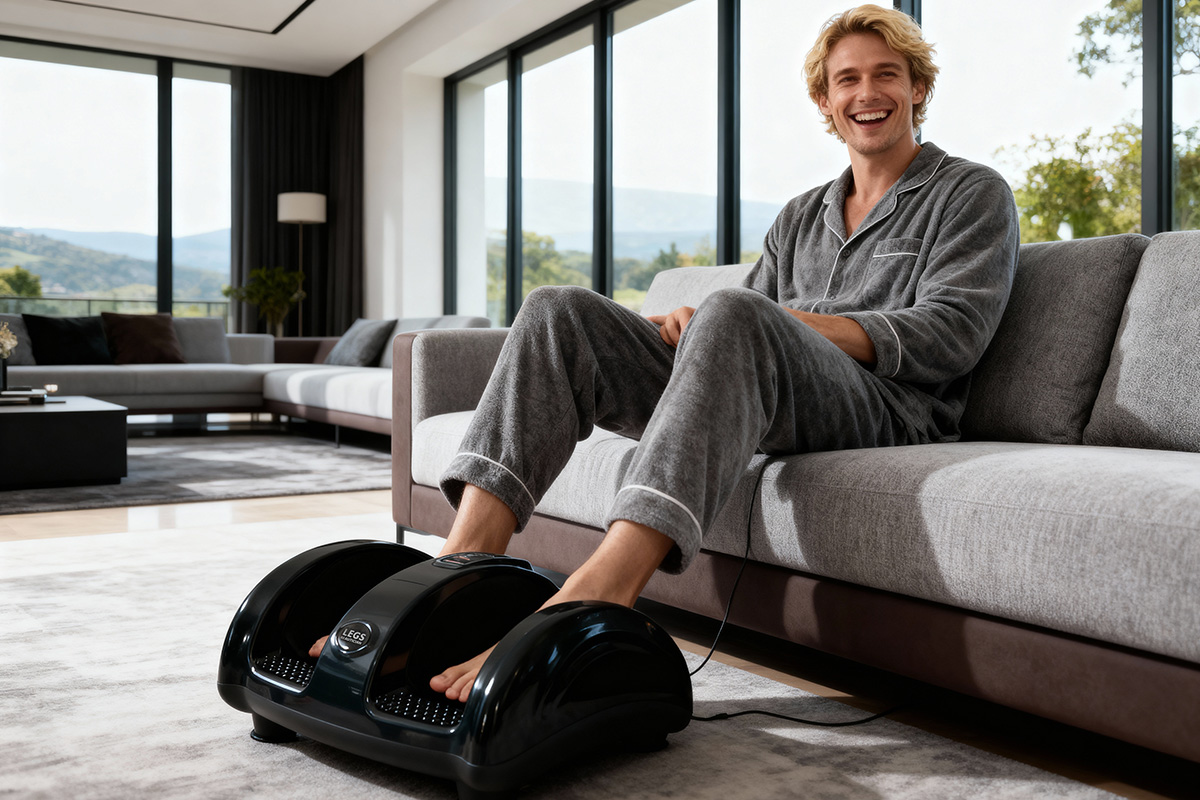
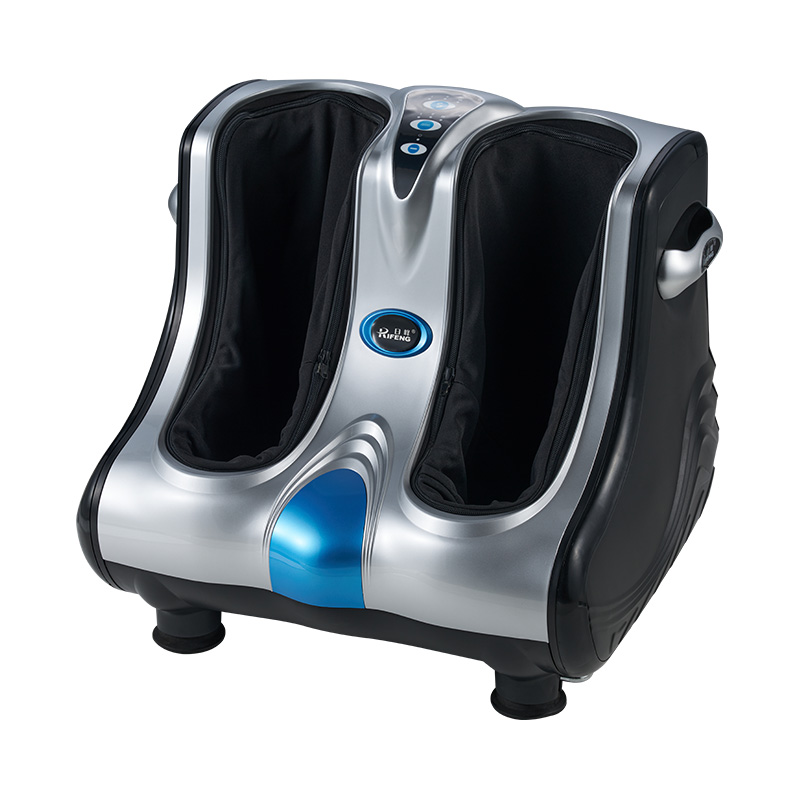
Pressure control plays an important role in the comfort of an electric massage device. A foot massager with air compression uses inflatable chambers to apply and release pressure around selected areas of the feet or lower legs. The sensation differs from mechanical kneading, which relies on moving rollers or massage nodes. At Zhejiang Rifeng Electrical Appliance Co., Ltd., we consider pressure adjustment, inflation cycles, product fit, and operating safety when developing massage equipment for different market requirements.
1. Why Does Air Compression Pressure Matter?
Air compression works through repeated inflation and deflation. The resulting squeezing sensation depends on the chamber design, pressure settings, cycle timing, and how closely the device fits the user's feet.
- Low pressure: Provides a gentler squeezing sensation for users who prefer mild stimulation.
- Medium pressure: Offers a firmer massage experience for users who find gentle compression insufficient.
- High pressure: Creates stronger compression, but excessive intensity may cause discomfort or a feeling of restriction.
These descriptions are general comparisons rather than standardized pressure categories. The actual sensation varies between models and users. A higher pressure rating does not automatically indicate a better product. Adjustable settings and consistent operation are more useful purchasing considerations.
2. Which Technical Details Should Buyers Check?
Pressure claims should be supported by clear product specifications. We recommend reviewing several details before comparing models or confirming a bulk order.
- Pressure adjustment: Check how many intensity settings are available and whether users can change them easily.
- Airbag arrangement: Examine which areas receive compression, including the feet, ankles, and calves where applicable.
- Inflation sequence: Confirm whether chambers operate together or inflate in separate stages.
- Pressure measurement: Request the rated pressure range, measurement method, and applicable tolerances rather than relying on an unsupported ideal figure.
- Control and protection: Review operating instructions, session timing, and safeguards against excessive inflation.
These specifications help buyers compare products using measurable criteria instead of relying solely on promotional descriptions.
3. Match Compression Settings to the Intended User
Comfort depends on individual preferences, foot dimensions, and the intended application. A setting that feels comfortable to one person may feel too strong to another.
During product evaluation, we suggest the following practical checks:
- Begin with the lower available intensity and increase it gradually only while the sensation remains comfortable.
- Check whether the chamber fits without excessive squeezing around the toes, instep, or ankles.
- Assess whether the inflation and release rhythm feels natural rather than abrupt.
- Test the available programs to determine whether their differences are meaningful to the intended customer group.
People with circulation disorders, reduced foot sensation, suspected blood clots, or other relevant medical concerns should seek professional medical advice before using compression massage equipment. Users should stop a session if pain, numbness, or unusual discomfort occurs. Consumer massage devices should not be presented as medical treatments.
4. Evaluate More Than the Number of Settings
At Rifeng, we recognize that product configuration must balance functional variety with ease of use. A device offering several pressure levels may serve different comfort preferences, but the number of settings alone does not establish performance quality.
For distributors and importers, a practical assessment should include:
- Sample testing: Compare compression strength, release speed, and comfort across available settings.
- Product consistency: Request information about pressure testing and quality-control procedures across production batches.
- Market suitability: Match the device's functions and physical dimensions to customer expectations in the target market.
- Documentation: Confirm electrical ratings, user instructions, safety documentation, and warranty arrangements.
Controlled Pressure Matters More Than Ideal Pressure
The appropriate compression level is the one that provides a comfortable, controlled massage experience for the intended user. Adjustable intensity, suitable chamber design, reliable inflation cycles, and clear operating instructions deserve careful attention during product selection.
At Zhejiang Rifeng Electrical Appliance Co., Ltd., we develop massage equipment with different functional configurations to address varied product requirements. Buyers evaluating air compression models can contact our team to discuss specifications, sample assessment, and OEM or ODM cooperation options. A structured evaluation helps purchasing teams compare products on practical performance and suitability rather than pressure claims alone.
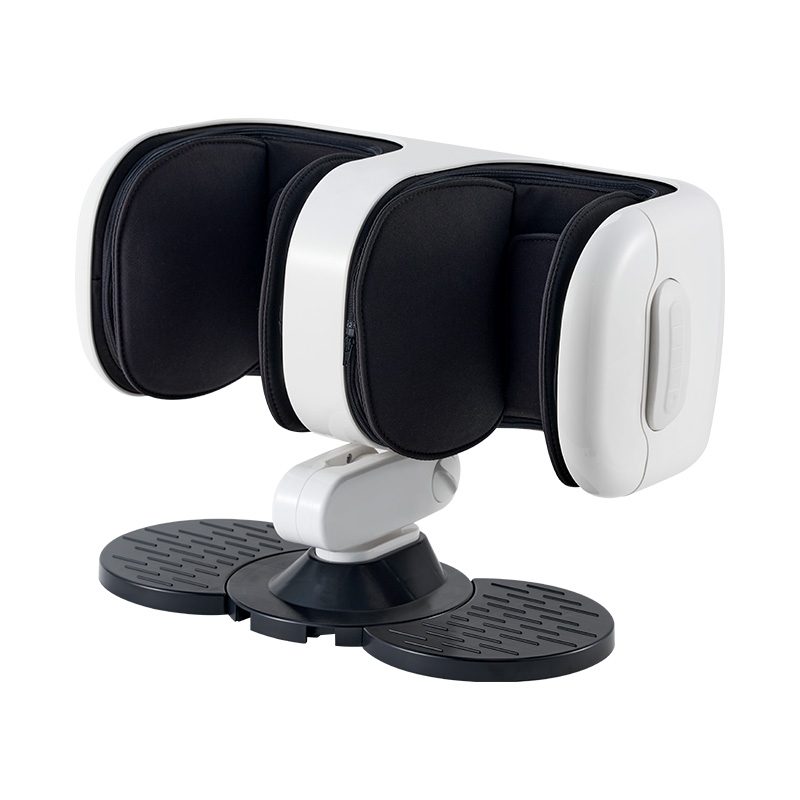
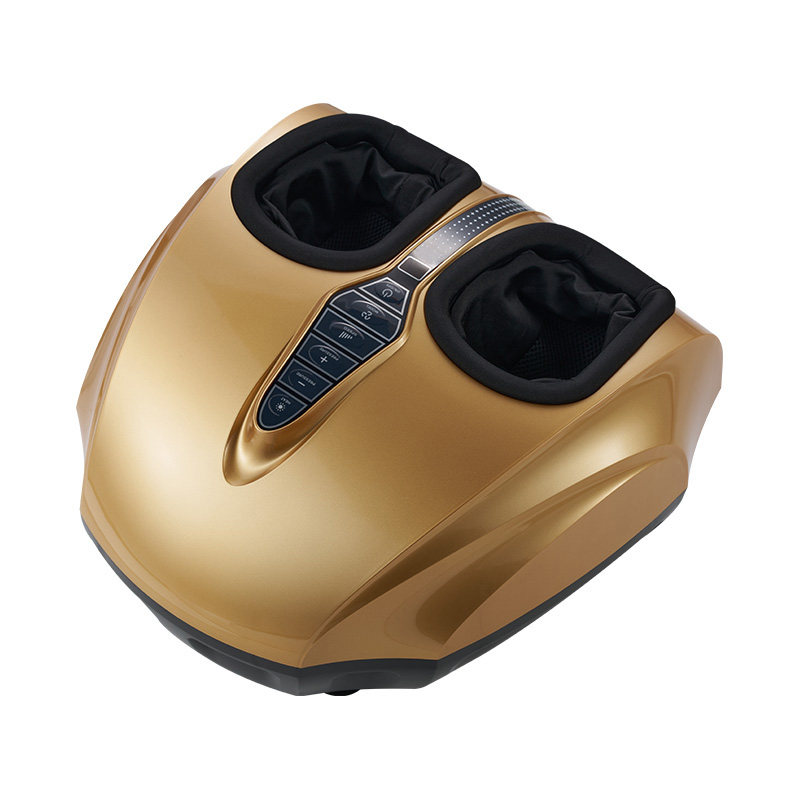
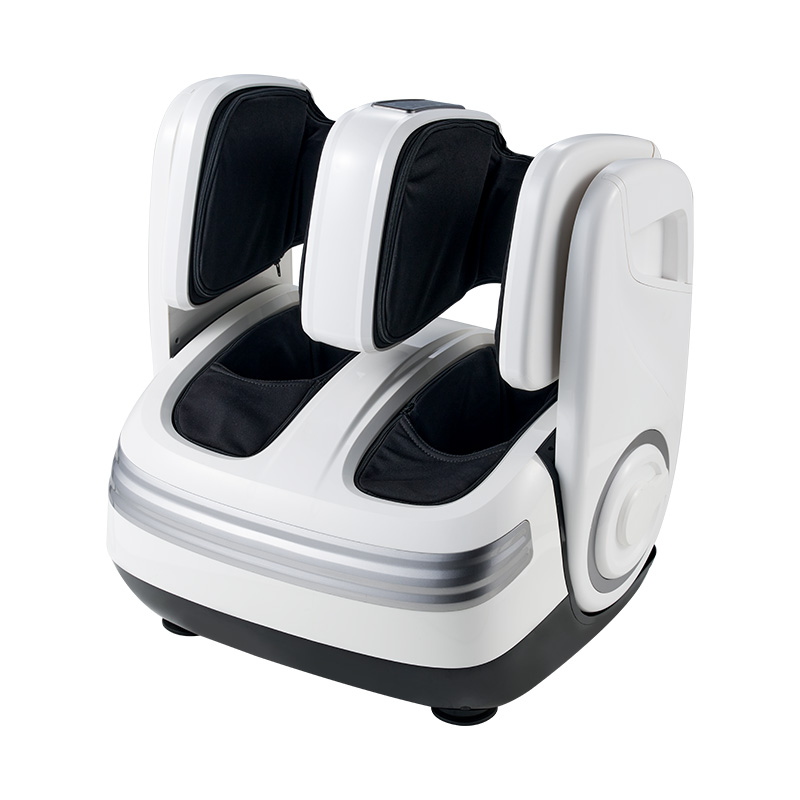
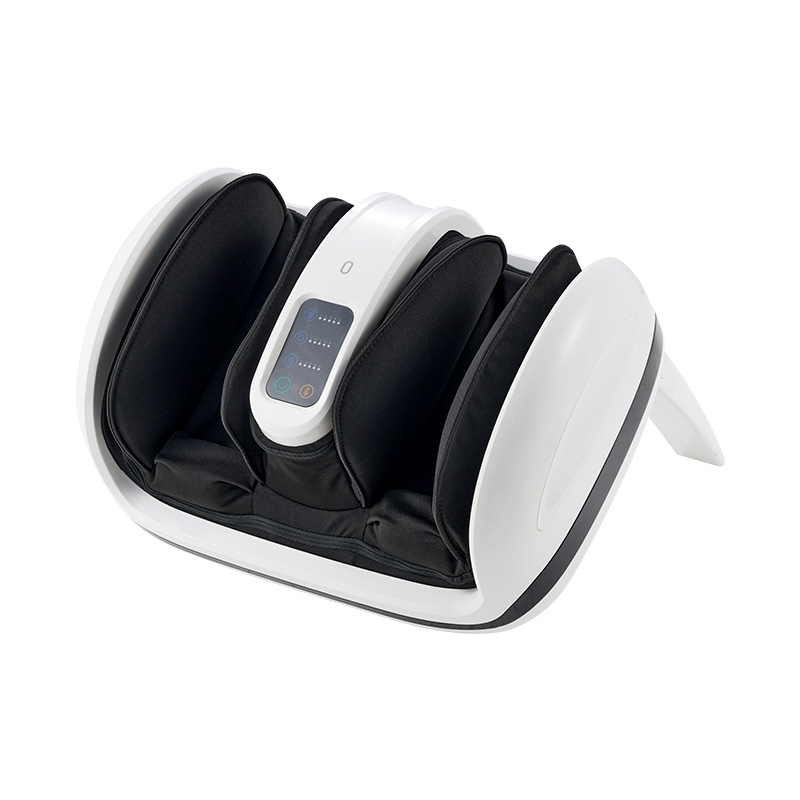
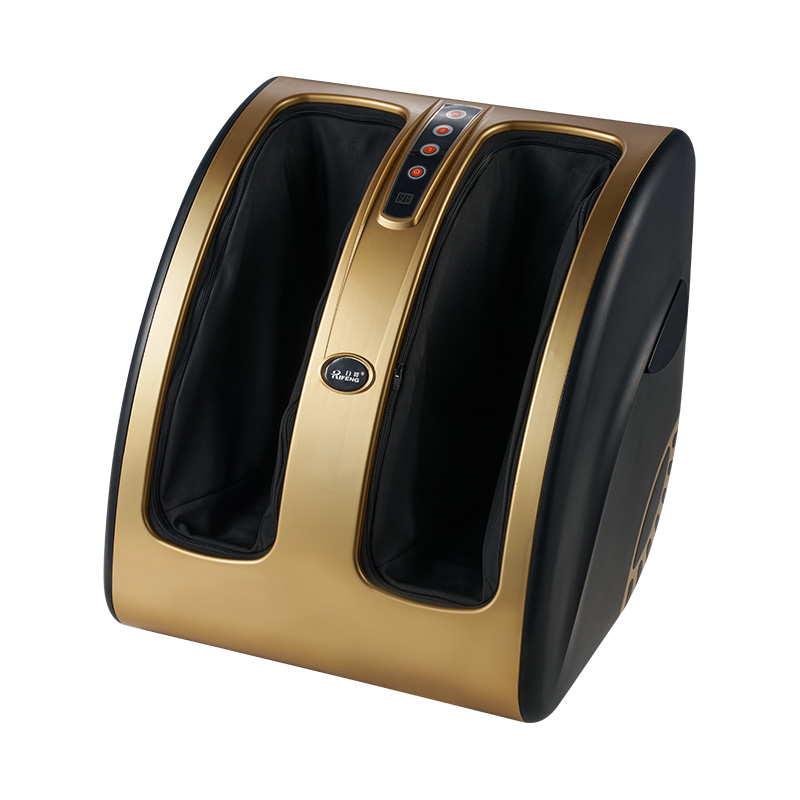
- RF-688 Detachable Lightweight Leg & Foot Massager
- RF-597 Deep Kneading Shiatsu Foot Massager with Heat
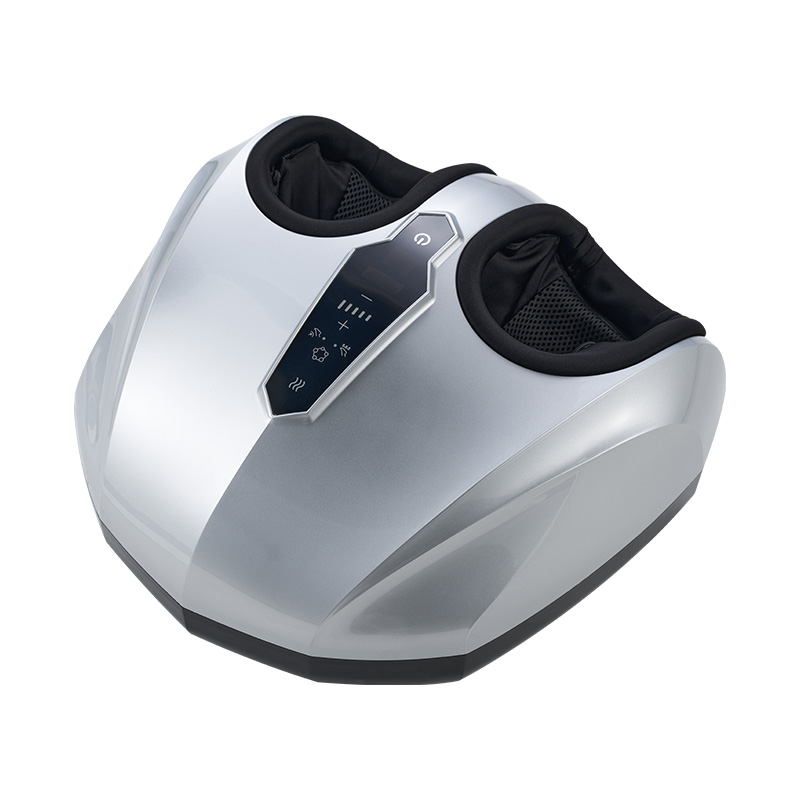
- RF-671 Full Wrapped Heat Shiatsu Foot Massager
- RF-697 Shiatsu Foot Massager with Heat and Deep Kneading
- RF-7900 Electric Air Pressure Foot and Calf Massager Machine
- RF-650 Electric Shiatsu Heating Foot Massager Machine
- RF-8200 Electric Leg and Foot Massager Machine
- RF-8700 Foot and Calf Massager For Relaxation And Stress Relief
Copyright © Zhejiang Rifeng Electrical Appliance Co., Ltd.
Foot Massager Factory
