
 English
 日本語
日本語 한국어
한국어 Deutsch
 中文简体
中文简体How Does a Shiatsu Foot And Calf Massager Improve Circulation?
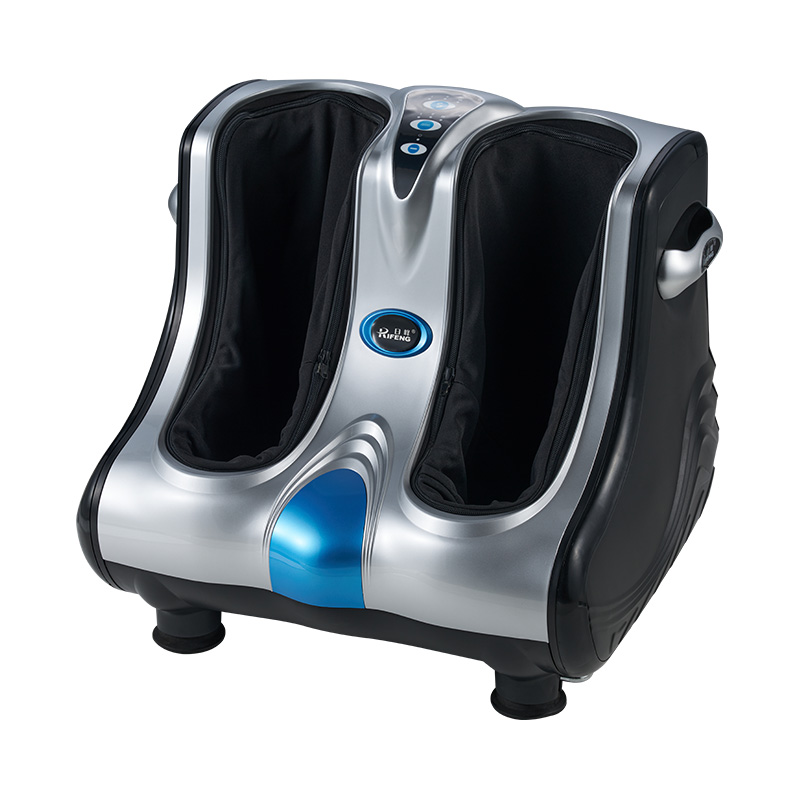
The health of feet and lower legs directly impacts overall comfort and mobility. A Shiatsu Foot And Calf Massager targets multiple zones from toes to upper calves, using sequential compression and kneading movements that mimic manual massage. This action promotes venous return and lymphatic drainage, reducing the feeling of heaviness after long hours of standing or walking.
Beyond simple comfort, the massager addresses deeper muscle tension in the calves, ankles, and sometimes the shin area. Supporting circulation along connected zones, it helps relieve fatigue while improving the efficiency of natural blood flow. For manufacturers, understanding these functional benefits is critical when designing or producing devices that meet real user needs.
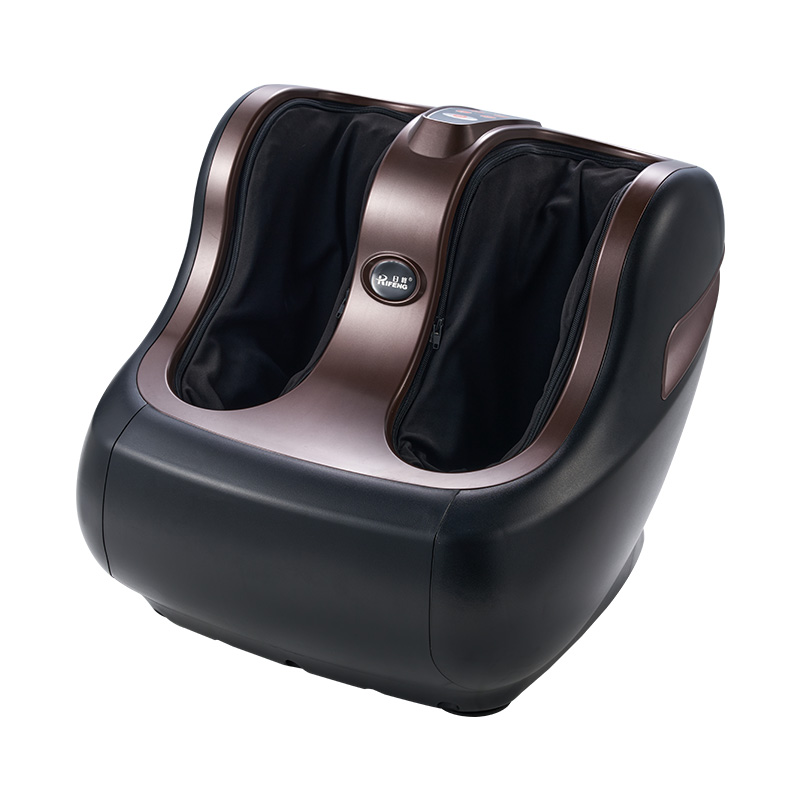
What Benefits Do Shiatsu Foot And Calf Massagers Offer Users?
A multi-zone Shiatsu Foot and Calf Massager offers several advantages:
- Muscle Relaxation: Gentle compression and kneading release tension along the feet and calves.
- Enhanced Circulation: Sequential inflation stimulates venous flow, supporting natural recovery.
- Customizable Therapy: Multiple programs, including compression-only or heat + vibration, cater to individual comfort preferences.
- Convenience: Can be used while sitting or reclining, integrating easily into daily routines.
The combination of these functions makes the device relevant for long-standing fatigue, mild swelling, or conditions like shin splints.
How Can a Shiatsu Foot And Calf Massager Relieve Leg Fatigue?
Leg fatigue often results from prolonged standing, running, or sedentary habits that impair circulation. The Shiatsu Foot And Calf Massager addresses this by inflating in zones—from toes to upper calves—mimicking the flow of manual lymphatic massage. Heat and vibration further loosen tight muscles, improving comfort in lower limbs.
For product developers, the design of these sequential compression patterns is essential. The factory must calibrate air pressure, timing, and motor control so that relief feels natural without discomfort. A Shiatsu Foot And Calf Massager Factory with experience in foot and leg wellness products can provide these critical technical capabilities.
How Can Shiatsu Foot And Calf Massager Support Long-Term Wellness?
A Shiatsu Foot And Calf Massager is not only about temporary comfort. Regular use helps improve circulation, reduce muscle stiffness, and support recovery after prolonged activity. Incorporating heat and vibration can enhance the relaxation experience, while sequential compression encourages healthy lymphatic function.
For manufacturers, delivering devices that remain reliable over years requires rigorous material selection, precise assembly, and long-term testing—capabilities that a focused Shiatsu Foot And Calf Massager Factory typically offers.
Why Does Heat and Vibration Enhance the Shiatsu Foot And Calf Massager?
Heat improves blood flow and provides soothing warmth to fatigued muscles. Vibration complements compression by stimulating sensory receptors along the foot and calf, helping muscles release tension. Together, these functions enhance the therapeutic effect and elevate user experience without complicating device operation. Properly integrating these features requires careful coordination of electronics, air pumps, and control systems within a factory environment.
How Can a Shiatsu Foot And Calf Massager Factory Assist Product Development?
A dedicated factory can contribute beyond assembly:
- Optimizing compression sequence and timing for comfort
- Adjusting heat intensity and vibration patterns based on ergonomic data
- Supporting OEM design, including external styling, branding, and program customization
- Maintaining quality control standards for safe and reliable devices
By combining production expertise with R&D capabilities, a Shiatsu Foot And Calf Massager Factory ensures devices meet both functional and market expectations.
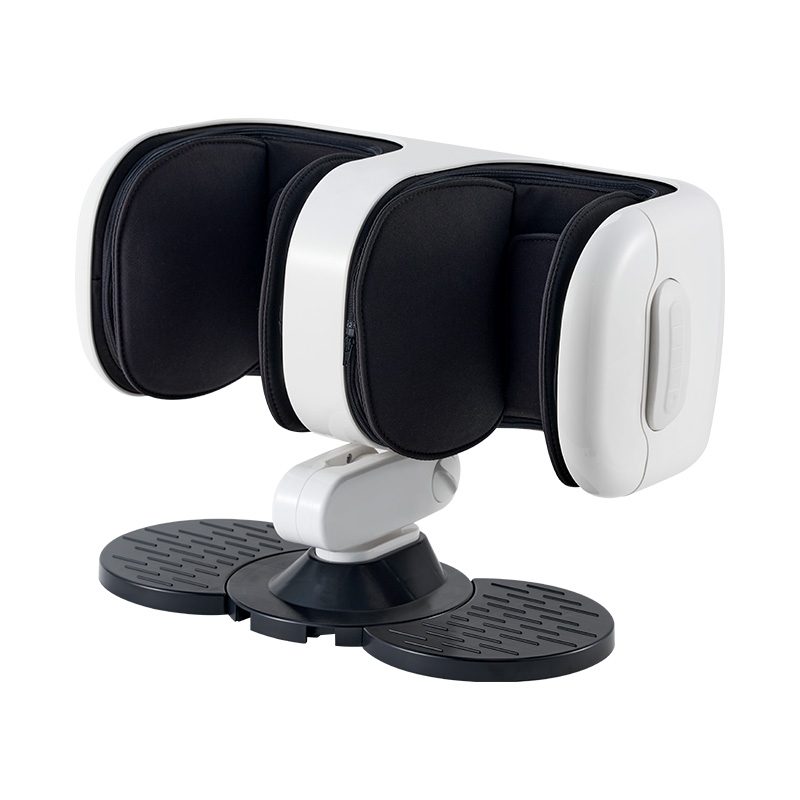
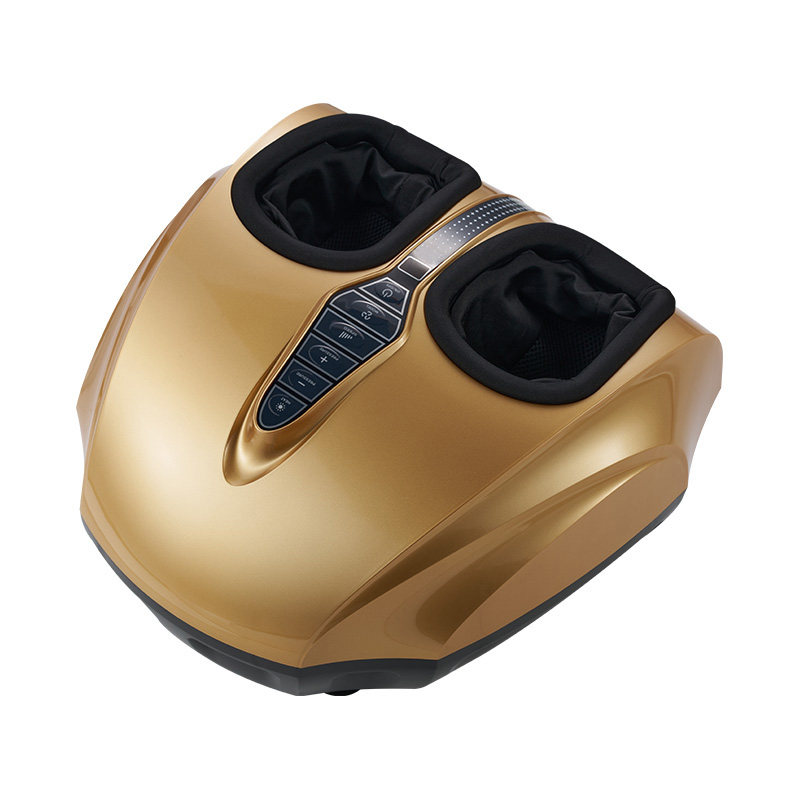
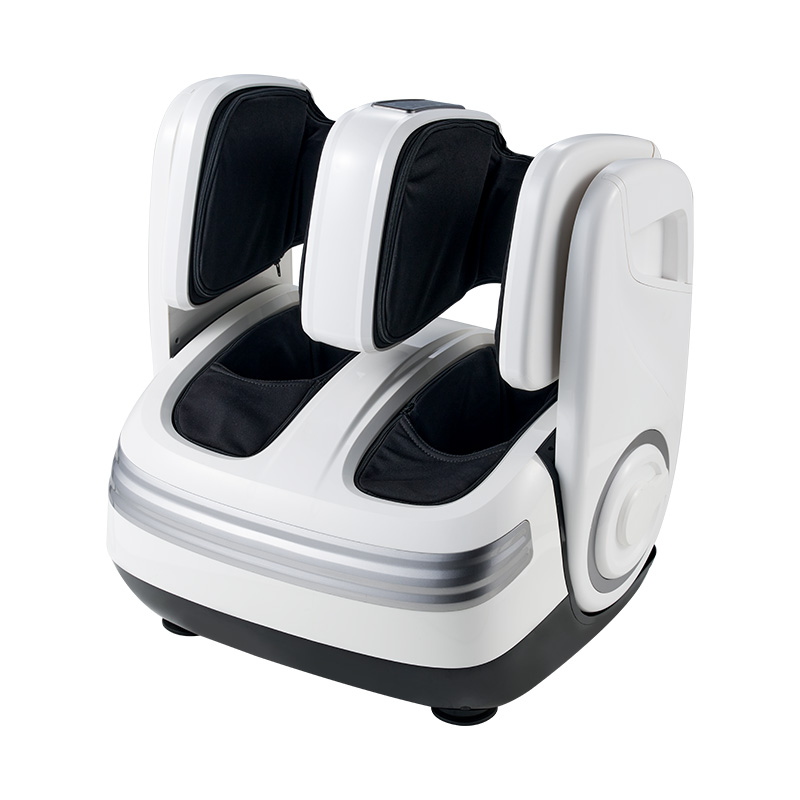
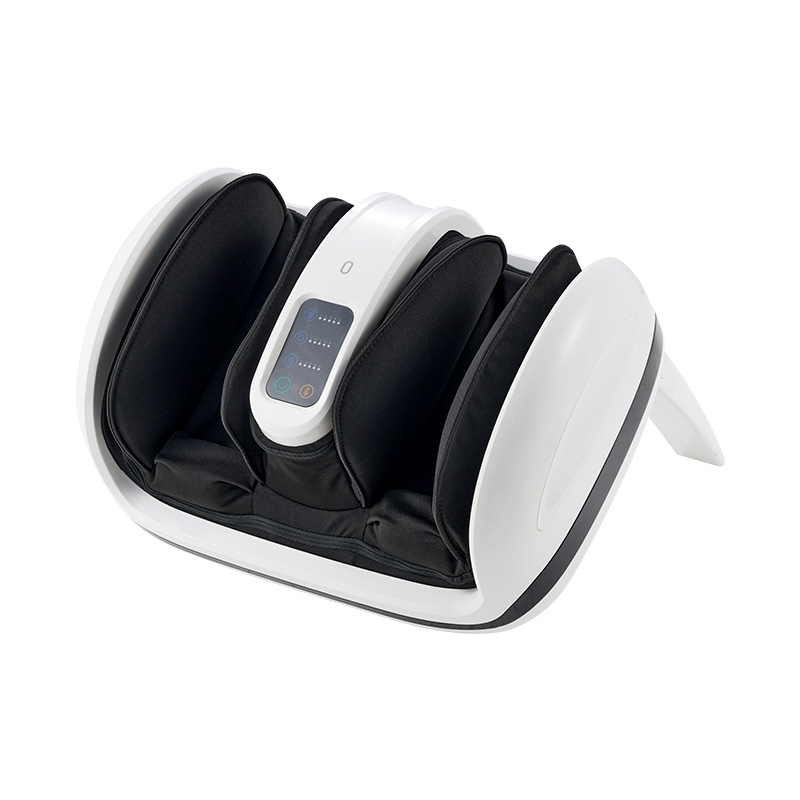
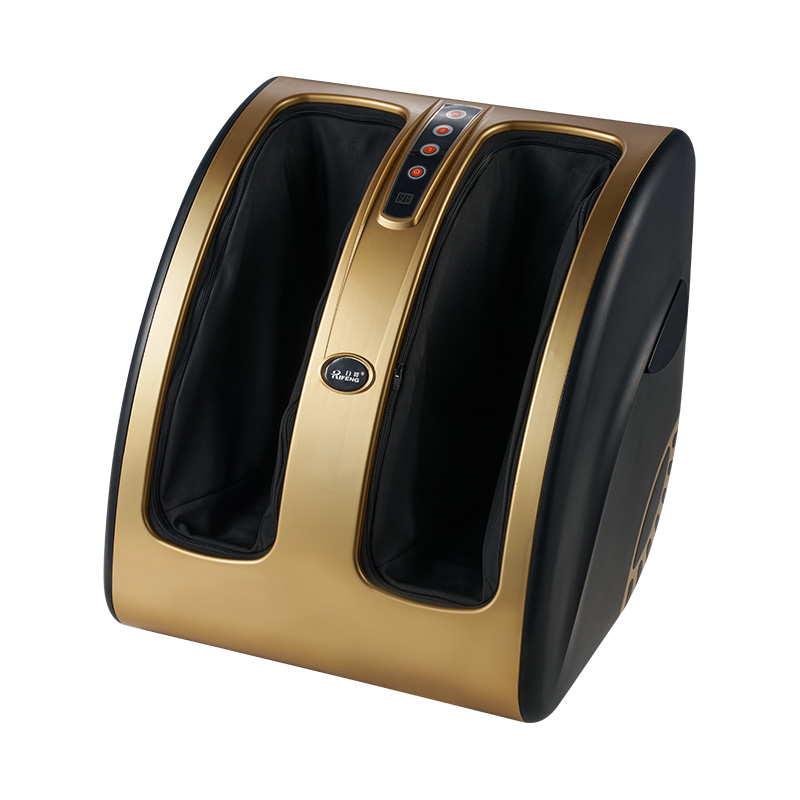
- RF-688 Detachable Lightweight Leg & Foot Massager
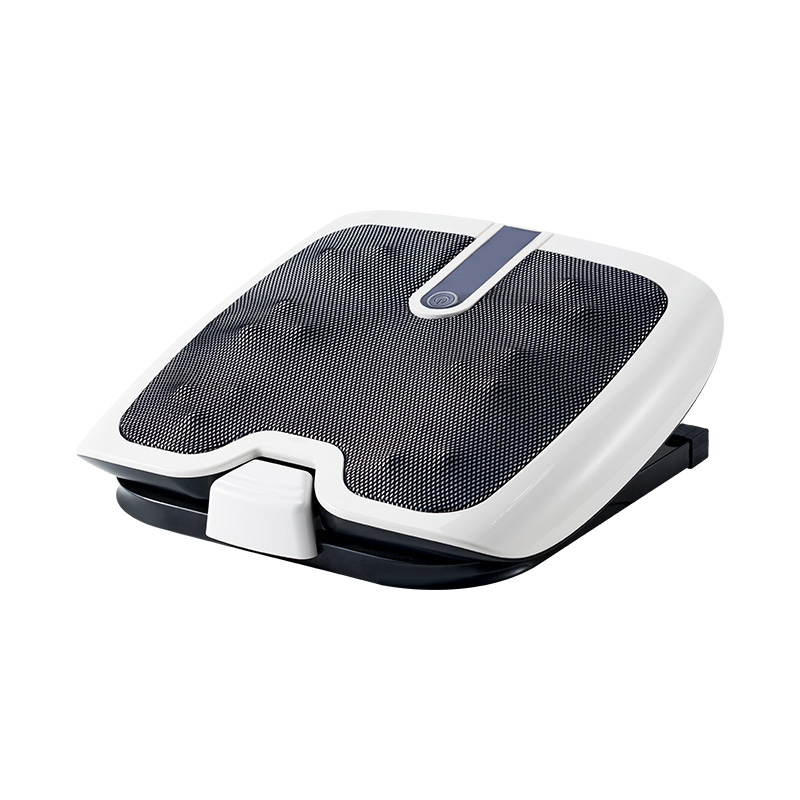
- RF-597 Deep Kneading Shiatsu Foot Massager with Heat
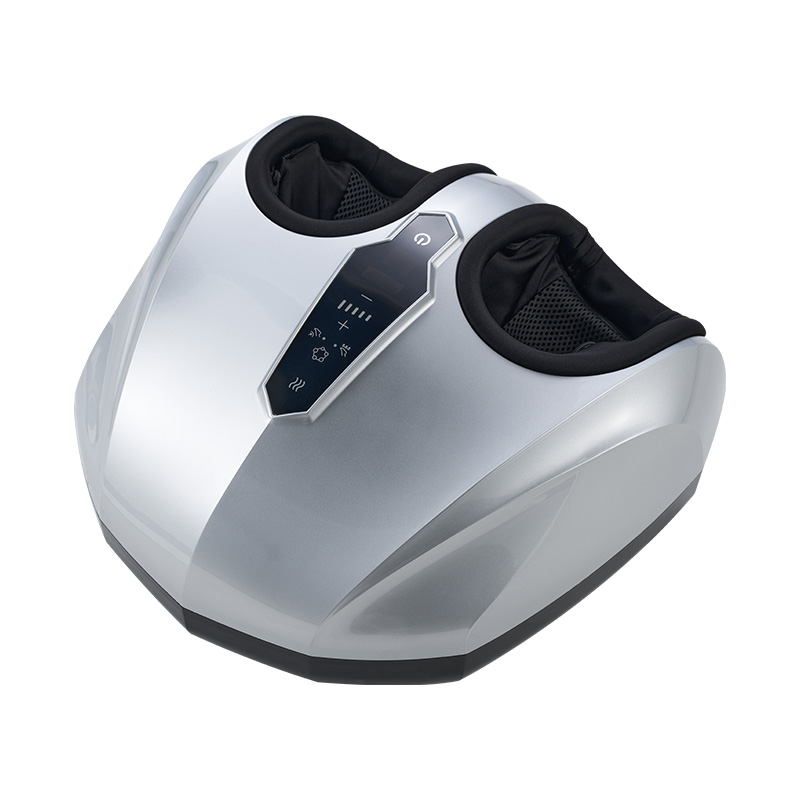
- RF-671 Full Wrapped Heat Shiatsu Foot Massager
- RF-697 Shiatsu Foot Massager with Heat and Deep Kneading
- RF-7900 Electric Air Pressure Foot and Calf Massager Machine
- RF-650 Electric Shiatsu Heating Foot Massager Machine
- RF-8200 Electric Leg and Foot Massager Machine
- RF-8700 Foot and Calf Massager For Relaxation And Stress Relief
Copyright © Zhejiang Rifeng Electrical Appliance Co., Ltd.
Foot Massager Factory
