
 English
 日本語
日本語 한국어
한국어 Deutsch
 中文简体
中文简体What Features Matter in an Acupressure Foot Massager Design?
Long working hours, extended standing, and limited physical activity place continuous pressure on the lower body. Calf tightness, swollen feet, and restless sleep are common complaints in both office and industrial environments. In this context, an Acupressure Foot Massager can reshape how people manage daily fatigue without visiting a spa or clinic.
Rather than offering simple vibration, modern devices combine kneading, rolling, and heating to stimulate reflex zones and muscle tissue. Selecting an Acupressure Foot Massager involves understanding how these mechanical structures interact with real user pain points.
Understanding Real User Pain Points
1. Prolonged Standing and Circulation Discomfort
Retail staff, factory workers, and healthcare professionals often remain on their feet for hours. Blood flow slows down, calves feel heavy, and the soles become sensitive. Manual massage is not always practical after work.
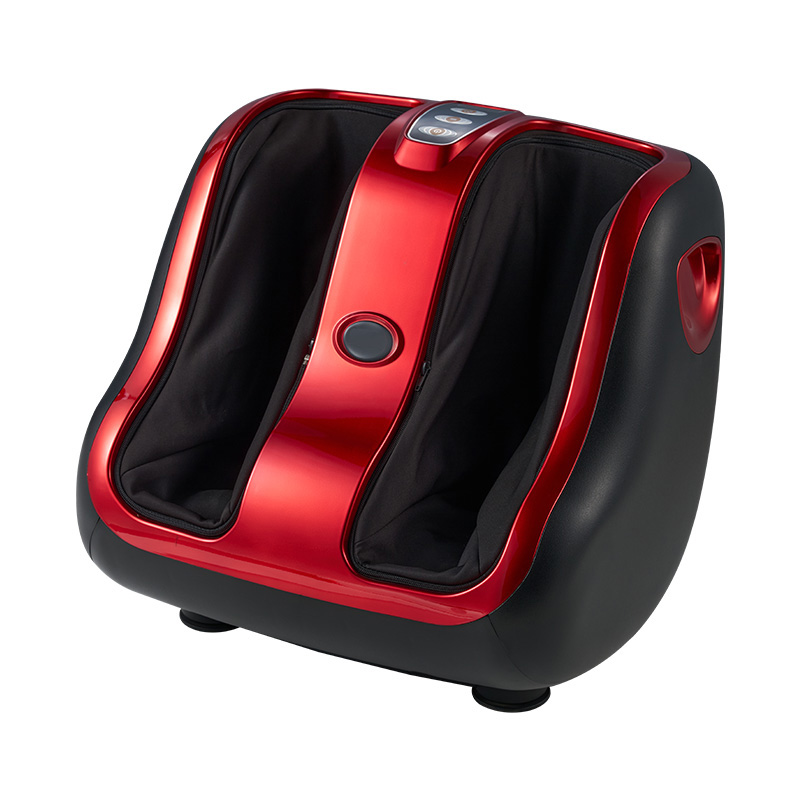
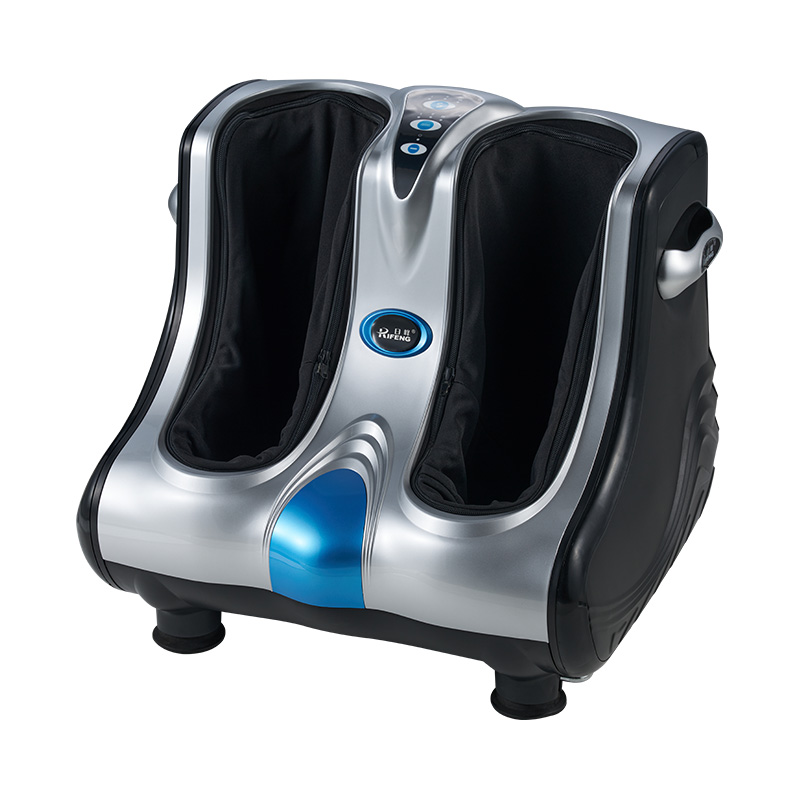
A structured leg and foot system with kneading nodes and sole vibration targets these stress areas directly. Adjustable speeds allow users to shift from gentle stimulation to deeper pressure depending on tolerance.
2. Sedentary Lifestyle and Muscle Stiffness
Office employees experience the opposite challenge: limited movement. Sitting for long periods causes calf rigidity and numbness. Gentle vibration combined with acupressure rollers encourages muscle activation and supports relaxation before bedtime.
3. High-Heel and Arch Strain
Footwear can concentrate pressure on the forefoot and heel. A surround-type foot structure distributes massage force across the sole, arch, and heel simultaneously, reducing localized discomfort.
Manufacturing Perspective: Why Factory Capability Matters
Behind every functional device is production expertise. Working with a professional Acupressure Foot Massager Factory provides consistency in motor performance, structural alignment, and durability testing.
Motor Integration and Mechanical Stability
An established Acupressure Foot Massager Factory understands how to balance vibration amplitude with noise control. Low-noise operation is critical for home and office environments where background sound should remain moderate.
Component Selection and Assembly Control
Quality control inside an Acupressure Foot Massager Factory covers motor calibration, heating elements, and control boards. Each subsystem must operate smoothly under repeated usage cycles.
Program Calibration and User Interface
When evaluating an Acupressure Foot Massager Factory, review how massage programs are configured. Speed transitions, kneading depth, and heating response times require careful testing before shipment.
OEM and Custom Development
A reliable Acupressure Foot Massager Factory supports OEM and private label projects. Branding, color schemes, packaging, and control panel layouts can be adjusted according to market positioning while maintaining mechanical integrity.
Design Considerations for Market Competitiveness
Ergonomic Mapping
Acupressure is not random pressure. Roller placement should align with plantar reflex zones and calf muscle groups. Structured node distribution allows the device to simulate manual thumb pressure more realistically.
Noise Management
Consumers increasingly use massage devices while watching television or working remotely. Internal motor insulation and stable housing reduce mechanical resonance.
Durability in High-Frequency Use
Commercial buyers such as wellness studios or shared office spaces require devices that tolerate repeated sessions daily. Internal frame reinforcement and stable wiring connections contribute to longer service cycles.
Product performance is only part of the equation. Partnering with an experienced Acupressure Foot Massager Factory helps brands maintain a stable supply, technical updates, and structured after-sales support.
A well-developed production line can adapt to evolving market feedback, refine program settings, and upgrade materials over time. With the right collaboration model, an Acupressure Foot Massager becomes not just a seasonal item but a consistent category within a health and wellness portfolio.
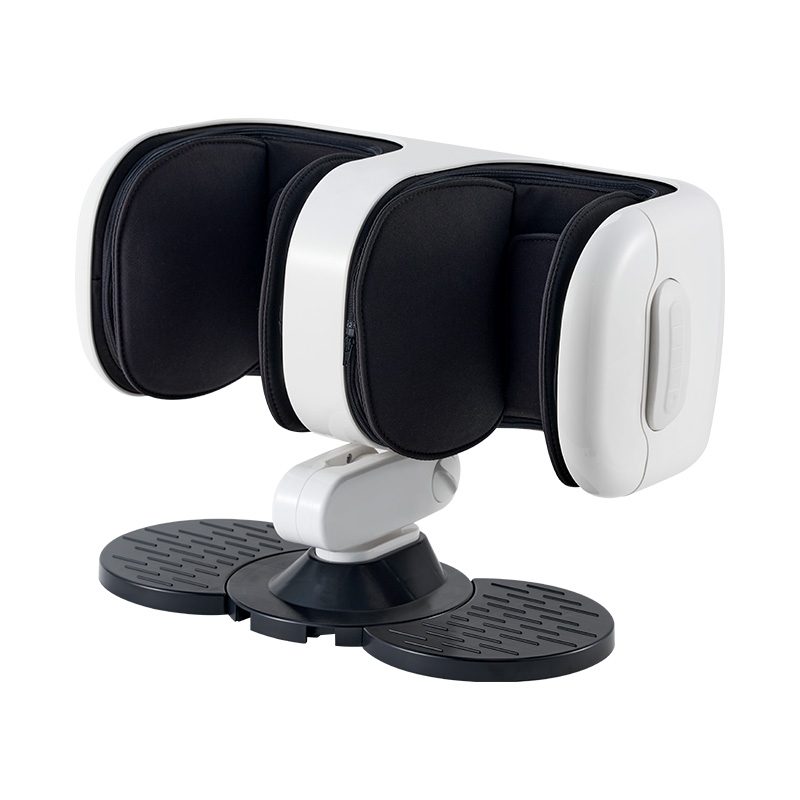
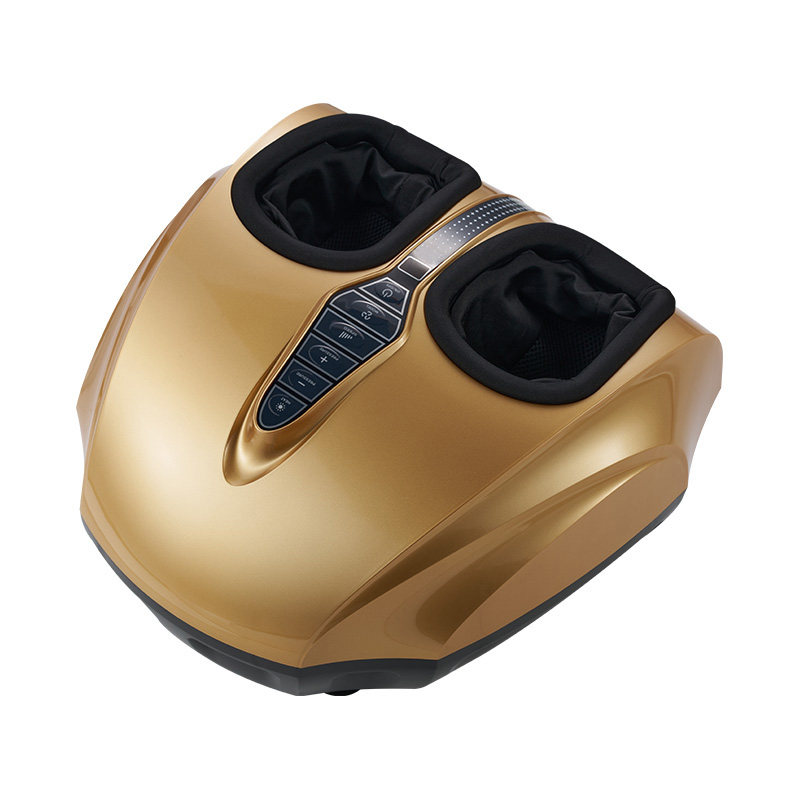
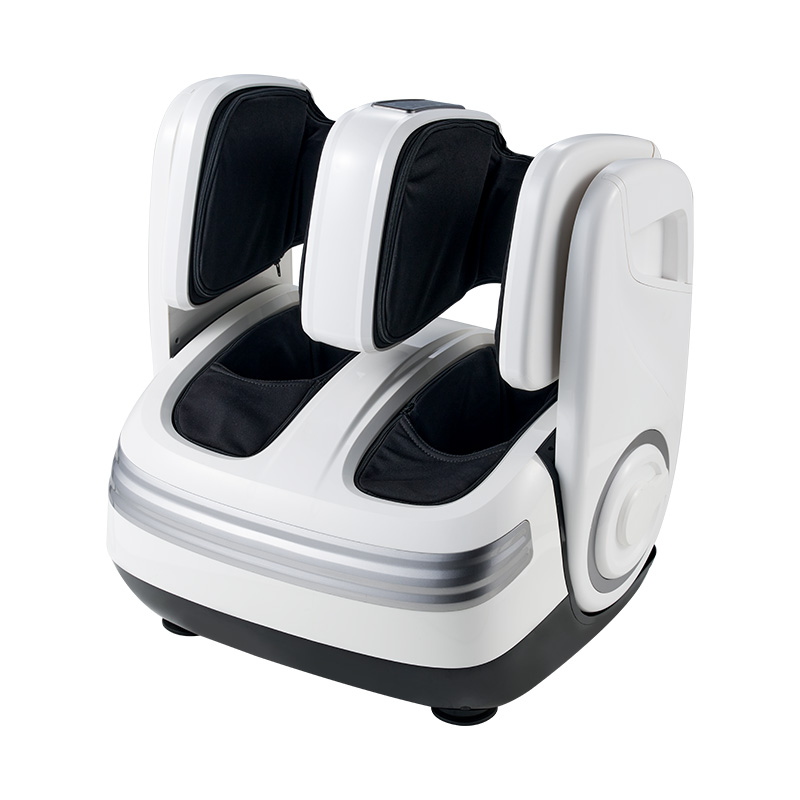
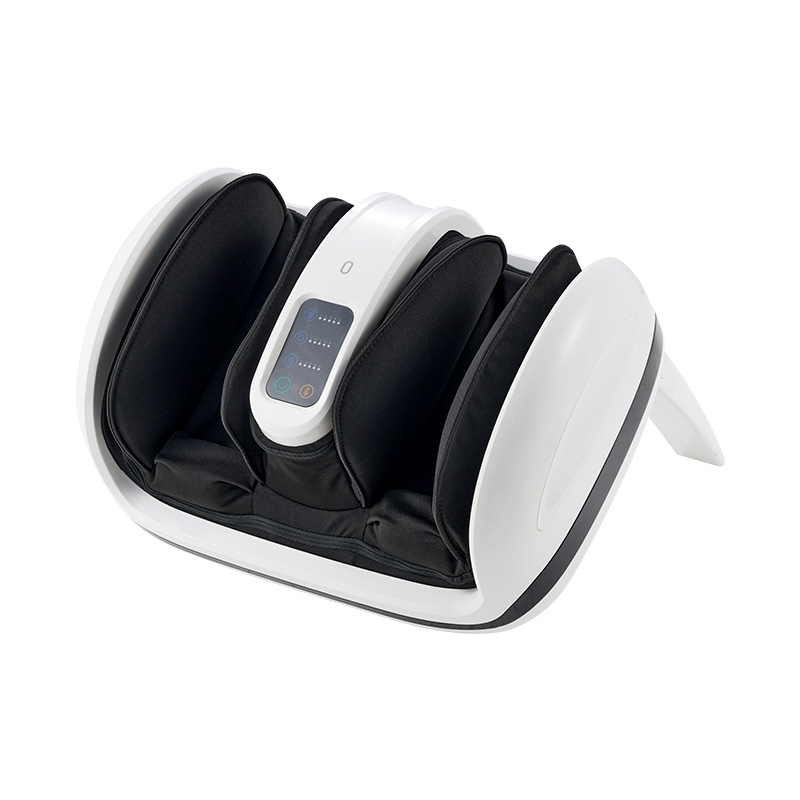
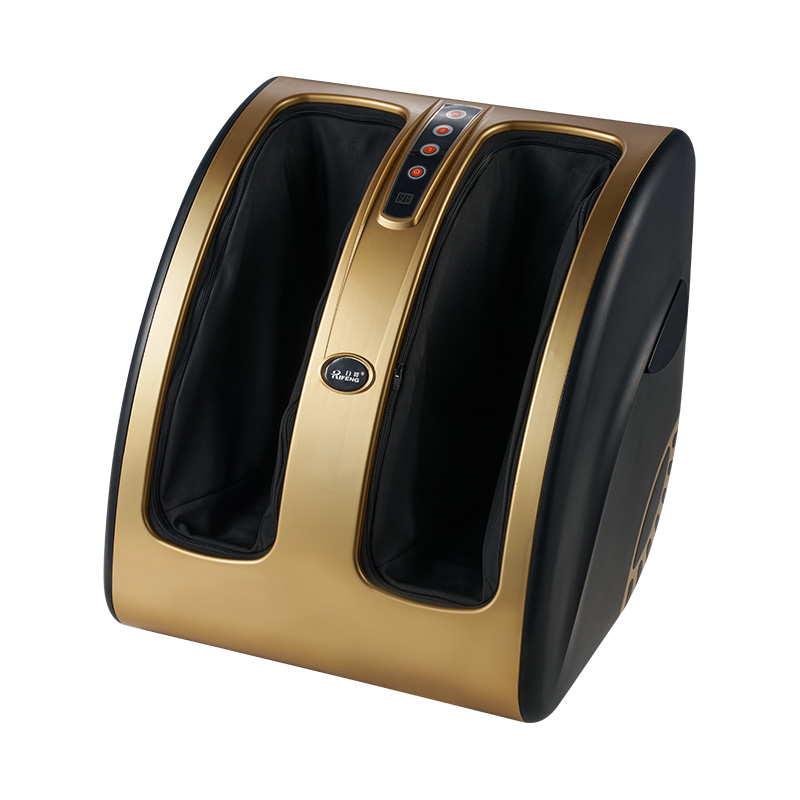
- RF-688 Detachable Lightweight Leg & Foot Massager
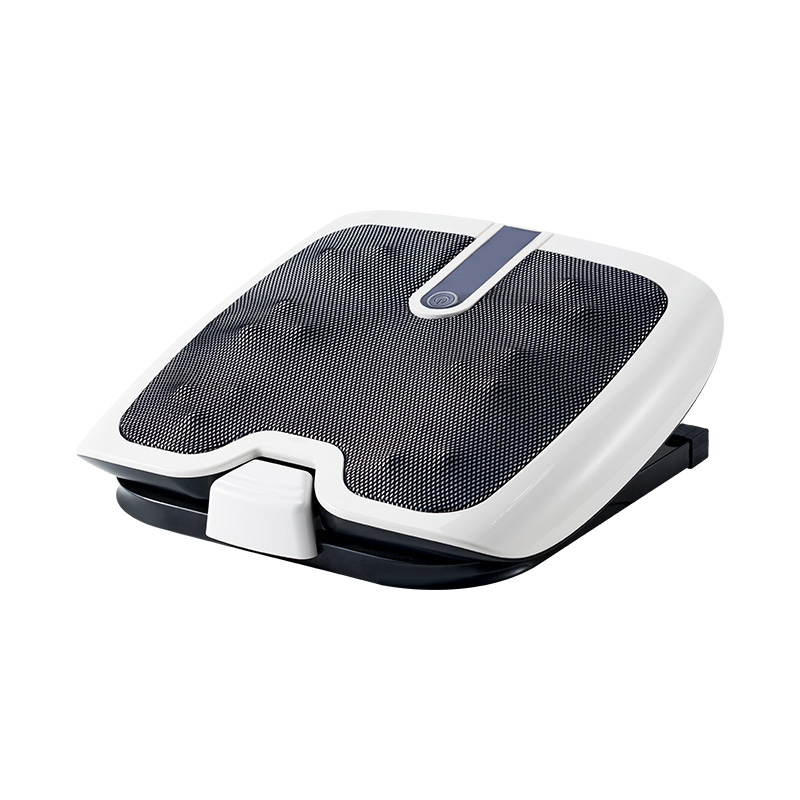
- RF-597 Deep Kneading Shiatsu Foot Massager with Heat
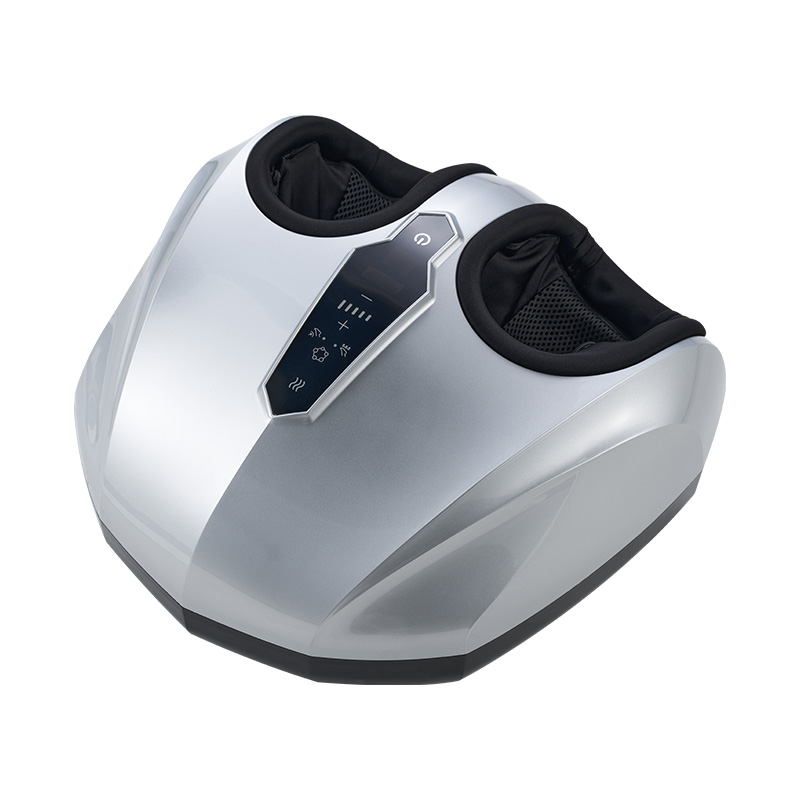
- RF-671 Full Wrapped Heat Shiatsu Foot Massager
- RF-697 Shiatsu Foot Massager with Heat and Deep Kneading
- RF-7900 Electric Air Pressure Foot and Calf Massager Machine
- RF-650 Electric Shiatsu Heating Foot Massager Machine
- RF-8200 Electric Leg and Foot Massager Machine
- RF-8700 Foot and Calf Massager For Relaxation And Stress Relief
Copyright © Zhejiang Rifeng Electrical Appliance Co., Ltd.
Foot Massager Factory
