
 English
 日本語
日本語 한국어
한국어 Deutsch
 中文简体
中文简体What Makes an Air Compression Foot Massager Different from Rollers?
Long hours of standing, sedentary office routines, and limited movement have made foot discomfort a common complaint across different age groups. Swelling around the ankles, heavy legs at night, and stiffness after work are no longer situations. An Air Compression Foot Massager addresses these concerns through controlled air pressure rather than mechanical force, offering a balanced and consistent massage experience.
From a manufacturing perspective, understanding user discomfort is essential. Circulation issues, fluid retention, and fatigue are not abstract problems; they are daily frustrations. A well-designed product responds directly to these real-world challenges.
How Air Compression Technology Works
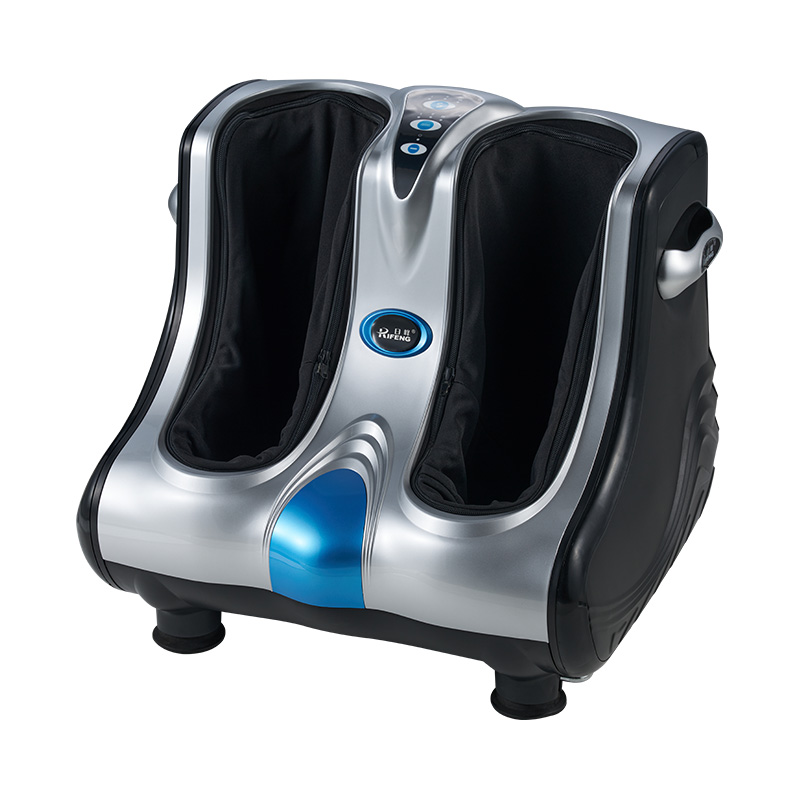
An Air Compression Foot Massager operates through multiple built-in airbags inside a soft fabric sleeve. These airbags inflate and deflate in programmed sequences. The result is a rhythmic squeeze-and-release pattern around the foot, ankle, and sometimes the lower calf.
This motion gently pushes pooled blood and excess fluid upward, encouraging healthier circulation. Unlike roller-based devices that rely on rotating components, air compression distributes pressure more evenly across a wider surface area. The sensation feels like a firm yet comfortable wrap that tightens and relaxes in waves.
Because there are no rigid massage nodes, the device is generally lighter and quieter. This design also makes it suitable for individuals who prefer a softer tactile experience.
Addressing Swelling and Circulation Concerns
Foot and ankle swelling often occurs after prolonged standing or sitting. People working in retail, manufacturing floors, hospitality, and healthcare frequently report end-of-day heaviness. Reduced circulation may also affect individuals with varicose veins or mild fluid retention.
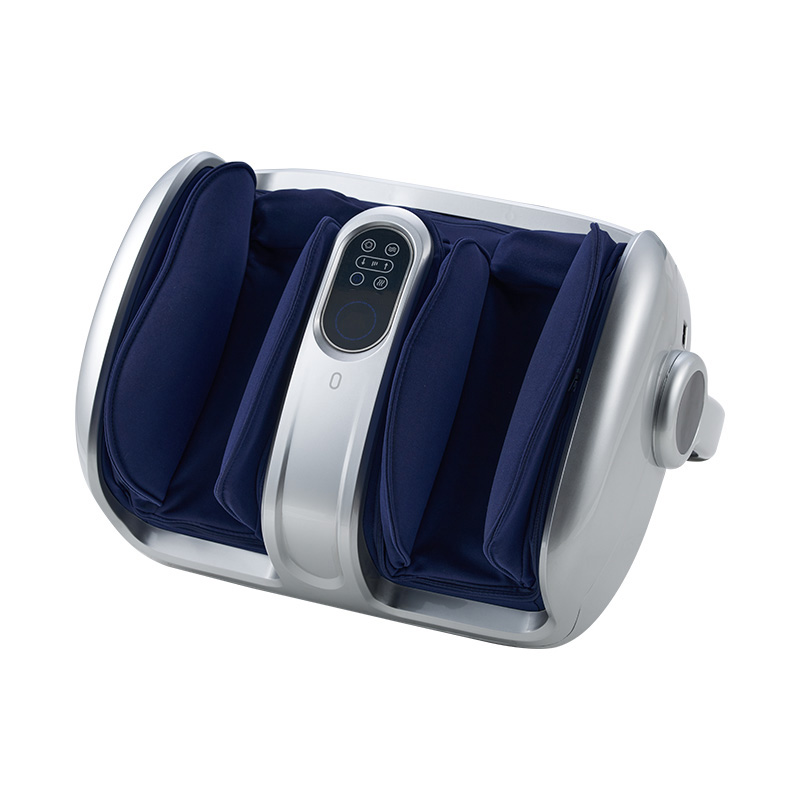
By stimulating venous return, the compression cycle assists the body's natural blood flow. The repeated inflation pattern promotes lymphatic movement, which can reduce the appearance of puffiness. Many users notice that their feet feel lighter and less tense after a 15–20 minute session.
Quiet Operation for Daily Use
Noise can be a barrier to relaxation. Mechanical rollers or vibration motors sometimes produce operational sounds that interrupt rest. In contrast, air compression relies primarily on controlled air pumps and valves.
A well-engineered pump system minimizes operational noise, allowing the device to be used while watching television, reading, or resting. For elderly users or those with limited mobility, this quieter structure can make the experience more pleasant and less intrusive.
Manufacturing quality directly impacts acoustic performance. A reliable Air Compression Foot Massager Factory pays attention to motor insulation, airflow pathways, and outer material stitching to reduce unnecessary vibration.
Comparing Air Compression to Roller Massage
Traditional foot massagers often use rotating nodes to mimic finger pressure. While effective for certain muscle groups, they apply localized force that may feel intense for sensitive users.
Air compression distributes force across broader zones. The pressure feels more like a gradual embrace rather than targeted pressing. For individuals dealing with restless legs or mild inflammation, this gentler approach may feel more suitable.
Another difference lies in portability. Air-based systems are usually lighter, easier to fold, and more adaptable to storage in smaller living spaces.
Market Demand and Practical Value
Growing awareness of circulation health has increased interest in compression-based wellness devices. Consumers are paying attention to how technology supports daily comfort rather than short bursts of stimulation.
An established Air Compression Foot Massager Factory adapts to these expectations by refining airflow systems, improving ergonomic shaping, and maintaining consistent quality control processes. Stable manufacturing standards create dependable products that address real physical discomfort rather than offering superficial features.
Foot fatigue, swelling, and circulation concerns remain common across different lifestyles. Air compression technology offers a structured and gentle response through rhythmic pressure patterns.
- RF-688 Detachable Lightweight Leg & Foot Massager
- RF-597 Deep Kneading Shiatsu Foot Massager with Heat
- RF-671 Full Wrapped Heat Shiatsu Foot Massager
- RF-697 Shiatsu Foot Massager with Heat and Deep Kneading
- RF-7900 Electric Air Pressure Foot and Calf Massager Machine
- RF-650 Electric Shiatsu Heating Foot Massager Machine
- RF-8200 Electric Leg and Foot Massager Machine
- RF-8700 Foot and Calf Massager For Relaxation And Stress Relief
Copyright © Zhejiang Rifeng Electrical Appliance Co., Ltd.
Foot Massager Factory
