
 English
 日本語
 한국어
 Deutsch
 中文简体
What Should Buyers Review Before Sourcing Foot Massage Machines
Foot massage equipment has become an important category in the personal wellness appliance market. Retailers, importers, distributors, and private-label brands are paying closer attention to product functionality, manufacturing consistency, and long-term supplier cooperation. However, purchasing a massager machine for foot involves more than comparing product appearance or retail pricing. Buyers need to understand the technical configuration, intended applications, production capabilities, and quality management behind each model.
At Zhejiang Rifeng Electrical Appliance Co., Ltd., we have been engaged in the development and manufacturing of massage and healthcare appliances since 1986. Through our experience in foot massage equipment production, we understand the practical concerns of international buyers. Our approach focuses on helping customers evaluate product specifications, confirm order requirements, and establish suitable cooperation arrangements before production begins.
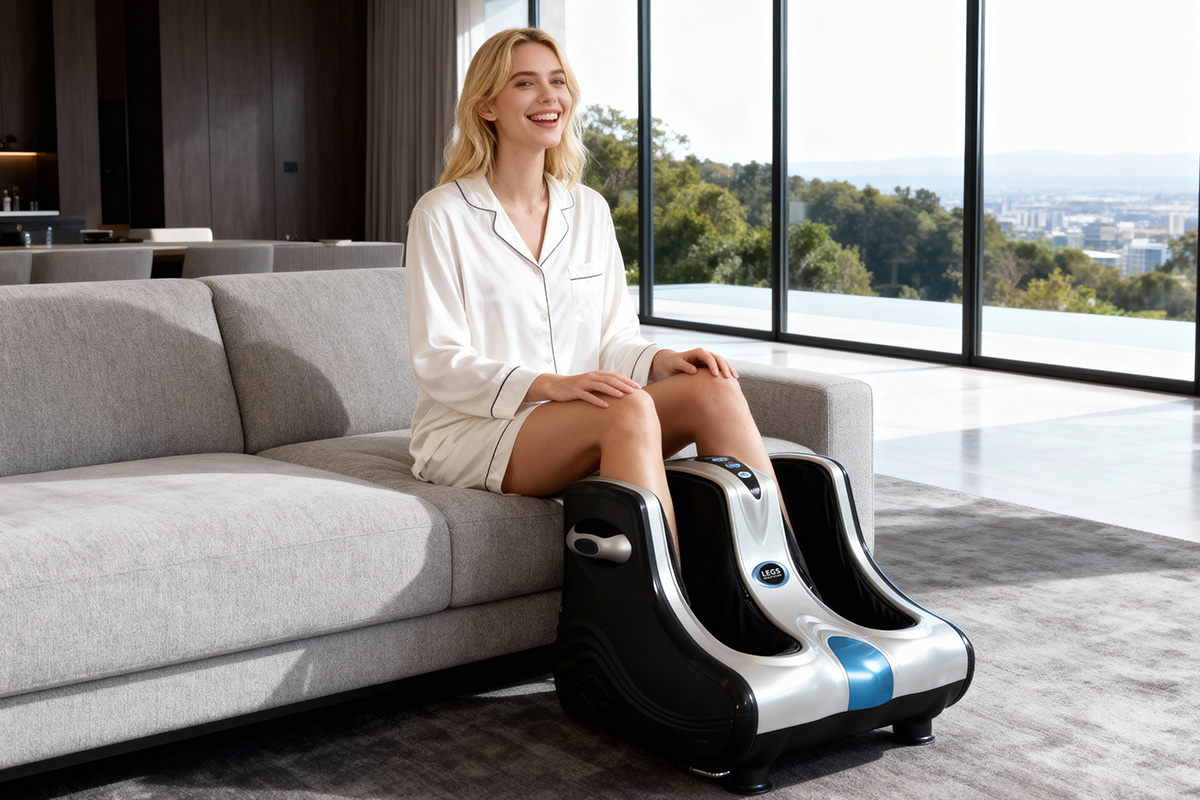
1. Identify the Intended Market and Application
Different sales channels have different expectations for foot massage equipment. A product designed for household relaxation may not have the same configuration as equipment intended for wellness retailers, online stores, or professional relaxation facilities.
Before discussing specific models, we recommend defining the intended market and primary application. This information helps us determine which product structure and functional combination may match the buyer's business requirements.
- Household retail: Compact dimensions, straightforward controls, comfortable massage settings, and convenient storage are important considerations.
- Online retail: Product appearance, packaging dimensions, operating instructions, and clear feature descriptions deserve attention.
- Wellness and relaxation facilities: Operating consistency, cleaning arrangements, user controls, and component durability require careful review.
- Private-label distribution: Brand customization, product documentation, packaging design, and stable manufacturing arrangements are relevant to long-term cooperation.
Market positioning also affects the price range and feature combination. Our product range includes Shiatsu, kneading, vibration, heating, and air compression configurations, allowing buyers to compare different equipment structures according to their distribution plans.
2. Compare Massage Technologies and Functional Configurations
Massage technology directly affects the product's operating method and user experience. A massager machine for foot may combine several functions, but additional features should match the intended market rather than simply increase the specification list.
Common configurations include:
- Shiatsu massage: Mechanical massage nodes apply repeated pressure to selected areas of the soles. Buyers should review node arrangement, movement patterns, and contact coverage.
- Kneading massage: Rotating or moving mechanisms provide repeated massage movements. The operating direction and intensity settings are worth checking.
- Air compression: Inflatable chambers create adjustable compression around the feet or lower legs. Buyers should examine the available intensity levels and pressure control functions.
- Vibration massage: Vibration motors provide another operating mode. Speed adjustment and vibration distribution are relevant specification points.
- Heating function: Integrated heating provides warmth during operation. Buyers should confirm temperature control, heating consistency, and the associated safety design.
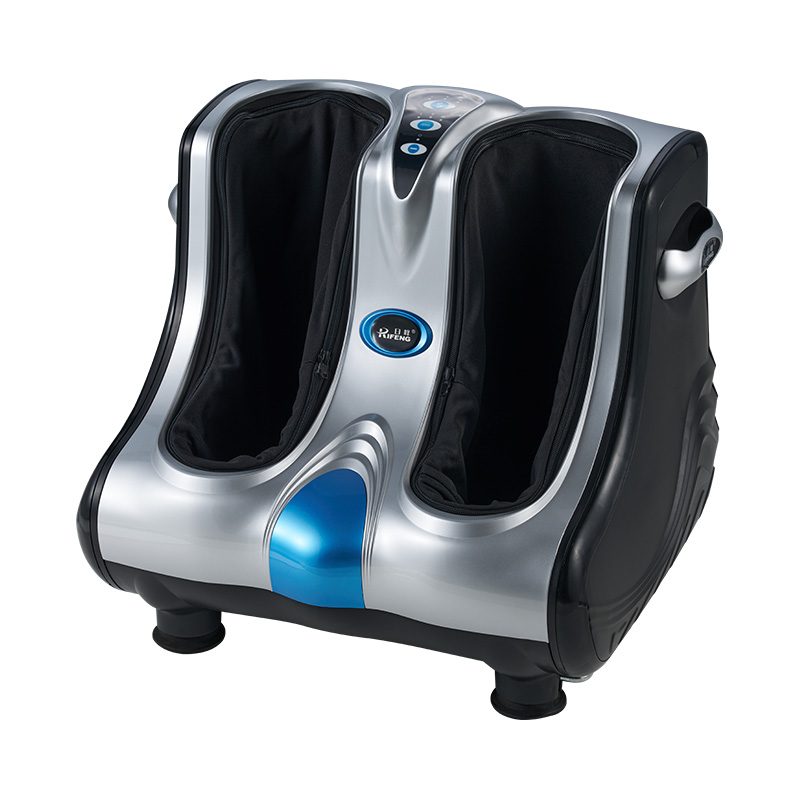
At Rifeng, our product portfolio includes equipment combining different massage functions. The RF-660, for example, provides five massage modes, five intensity settings, two vibration modes, constant-temperature heating, and a timing function. Its listed electrical configuration is DC24V with 48W power.
Such specifications give buyers a practical reference for comparing equipment configurations. Rather than requesting every available function, we encourage customers to identify the operating modes that support their target retail positioning.
3. Examine Technical Parameters Before Confirming an Order
Technical specifications provide a common reference for communication between buyers and manufacturers. A detailed specification sheet also reduces misunderstandings during sample evaluation and bulk production.
For a massager machine for foot, we suggest reviewing the following parameters:
- Rated voltage and power: Confirm electrical requirements according to the destination market and intended operating conditions.
- Massage programs: Check the number of preset programs, manual adjustments, and available operating combinations.
- Intensity settings: Review the adjustment range for kneading, vibration, or air compression functions.
- Heating configuration: Confirm the heating function, temperature regulation method, and operating controls.
- Product dimensions: Review overall size, internal foot space, product weight, and packaging measurements.
- Control interface: Examine button layouts, touch controls, remote operation, and display arrangements.
- Operating duration: Check timer settings and automatic shutdown functions, where available.
Product specifications should always be confirmed against the actual model. For example, the RF-860 uses a different configuration from the RF-660. Its listed specifications include 18W power, three massage modes, five velocity settings, three vibration settings, two heating levels, and five air pressure intensity levels. It also provides automatic shutdown after 20 minutes of continuous operation.
These differences demonstrate why buyers should evaluate individual model specifications instead of assuming that every foot massage machine shares the same technical configuration.
4. Review Product Structure, Materials, and Manufacturing Quality
Internal construction has a direct relationship with equipment reliability. Exterior appearance alone cannot provide sufficient information about the manufacturing quality of an electric massage appliance.
During product evaluation, we recommend paying attention to several structural details:
- Housing construction: Review material selection, surface finishing, assembly gaps, and overall structural stability.
- Motor components: Examine motor specifications, operating noise, vibration consistency, and performance under normal working conditions.
- Massage mechanisms: Check the assembly of rollers, massage nodes, rotating parts, and related transmission components.
- Electrical connections: Pay attention to wiring arrangements, insulation, connectors, and protective components.
- Contact materials: Review fabric, cushioning, liners, and other surfaces that come into contact with the user's feet.
At Rifeng, we integrate product development and manufacturing activities within our production system. Our manufacturing facilities use CAD/CAE/CAM integrated technology for mold design and production management. This approach supports product development, structural coordination, and manufacturing consistency.
5. Evaluate Factory Quality Control and Testing Procedures
Product quality management is an important consideration for distributors and importers handling multiple shipments. A supplier should be able to explain how components, assembled products, and finished equipment are inspected throughout manufacturing.
Our quality evaluation recommendations include the following checkpoints:
- Incoming component inspection: Check motors, power supplies, electronic components, housing materials, and other purchased parts against approved specifications.
- Assembly inspection: Review wiring, mechanical connections, component positioning, and assembly workmanship.
- Functional testing: Operate different massage modes, heating functions, vibration settings, and control systems.
- Electrical safety checks: Verify applicable electrical safety requirements and relevant testing records.
- Final product inspection: Examine appearance, accessories, operating instructions, packaging, and product identification.
We recommend that buyers request information about inspection procedures and available quality documentation before confirming a cooperation agreement. Sample approval criteria should also be established so that mass-produced equipment can be evaluated against the agreed product specifications.
6. Confirm Certifications and Destination-Market Requirements
Electrical massage appliances may be subject to different regulatory requirements depending on the destination country and sales channel. Importers should identify the applicable standards before placing an order.
Important areas to review include:
- Electrical safety requirements applicable to household or personal care appliances.
- Electromagnetic compatibility requirements for electronic equipment.
- Power plug, rated voltage, and frequency compatibility.
- Product labels, warning information, and user manual language.
- Applicable market certification and documentation requirements.
Buyers should distinguish between factory management certifications and product-specific compliance documents. A factory certificate does not automatically establish that every model meets the regulations of every destination market. We encourage customers to confirm the exact model, certification scope, and documentation requirements during the quotation stage.
7. Discuss OEM and ODM Customization Capabilities
Private-label businesses often require more than a standard product configuration. Branding, packaging, control interfaces, and selected functional adjustments may influence the suitability of a supplier.
Our OEM and ODM cooperation services support different customization discussions, including:
- Brand presentation: Logo placement, product identification, and customized packaging design.
- Product appearance: Color combinations, exterior details, and selected housing design requirements.
- Functional configuration: Discussion of massage programs, control arrangements, and optional features according to product feasibility.
- Smart control options: Bluetooth modules and APP control systems can be discussed for applicable product development projects.
- Documentation: Customized user manuals, product labels, and packaging information.
Customization requirements should be documented before production planning. Changes involving electronic systems, molds, or structural components may require additional engineering evaluation and sample confirmation. Clear communication helps both parties establish realistic development arrangements.
8. Assess Packaging, Spare Parts, and After-Sales Support
Product procurement does not end with factory production. International distribution also involves packaging protection, shipping arrangements, replacement components, and technical communication after delivery.
Before placing a bulk order, buyers should discuss several practical matters:
- Packaging design: Confirm carton dimensions, internal protection, product labeling, and branding requirements.
- Transportation arrangements: Review carton weight, packing quantity, loading plans, and shipping documentation.
- Spare parts availability: Discuss replacement options for motors, control boards, power adapters, and other relevant components.
- Warranty arrangements: Clarify warranty coverage, claim procedures, and responsibilities for different types of product issues.
- Technical assistance: Confirm the availability of operating instructions, troubleshooting information, and communication channels.
A reliable cooperation arrangement should cover both product delivery and subsequent service requirements. This is particularly relevant to distributors managing multiple models and maintaining customer support across different sales regions.
9. Compare Suppliers Beyond the Quotation Price
Price is an important part of purchasing decisions, but it should be evaluated alongside product configuration, manufacturing resources, quality management, and customization capabilities.
At Rifeng, we suggest comparing potential suppliers through a structured evaluation process:
- Compare quotations based on equivalent product specifications and included accessories.
- Request samples to assess operating functions, construction, and product appearance.
- Review the manufacturer's production facilities and research and development capabilities.
- Confirm inspection arrangements and applicable compliance documents.
- Discuss OEM/ODM requirements and the feasibility of requested modifications.
- Evaluate communication efficiency, order coordination, and after-sales arrangements.
Our company was founded in 1986 and operates two modern production bases in Zhejiang, China. With more than 80,000 square meters of site area and 100,000 square meters of standard factory buildings, we have established manufacturing resources for massage and healthcare appliances. Our R&D team and OEM/ODM services support product development and cooperation with international customers.
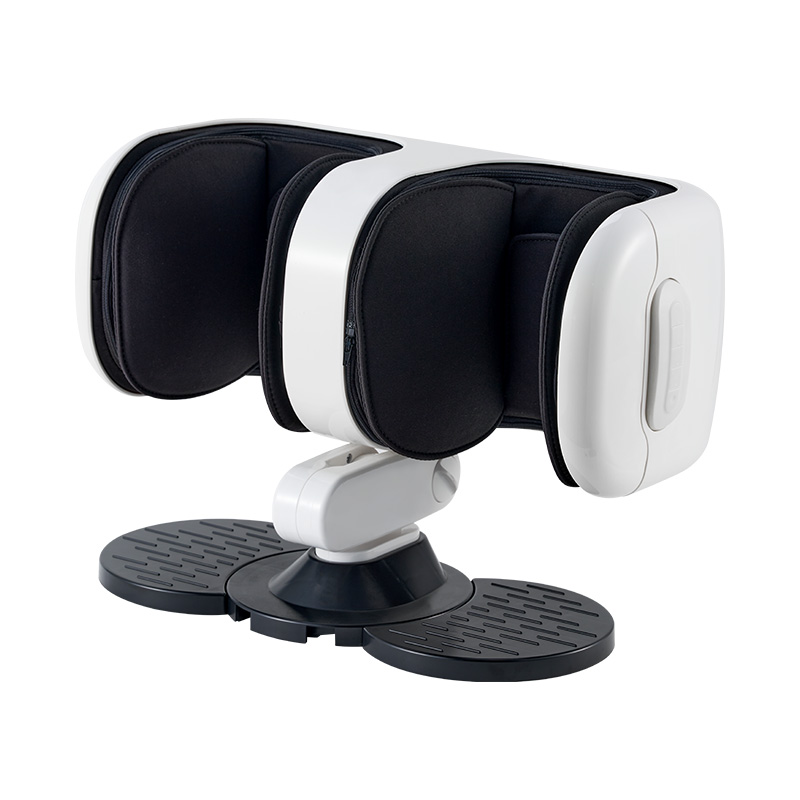
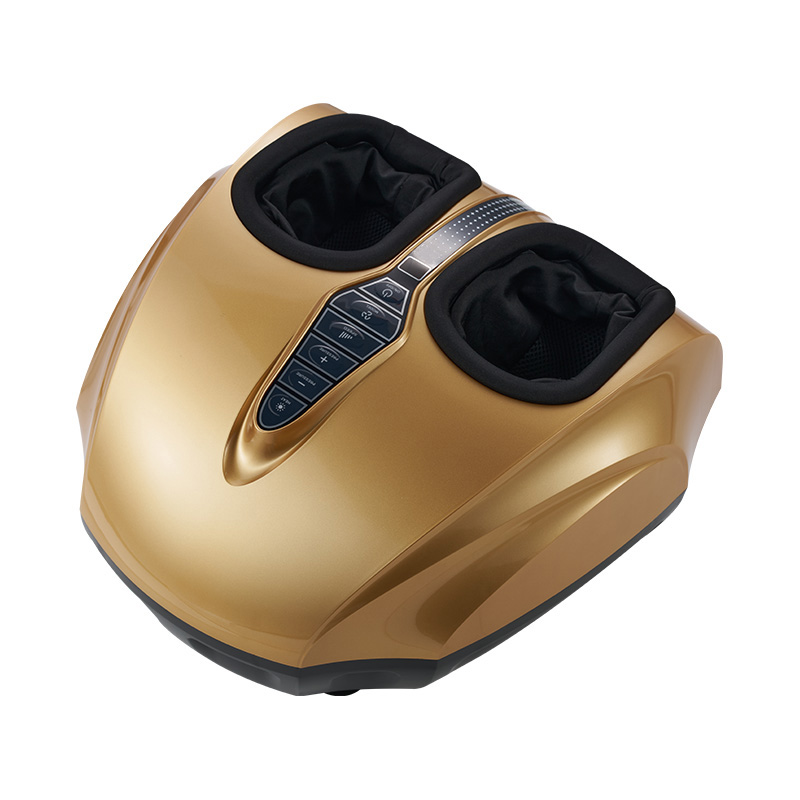
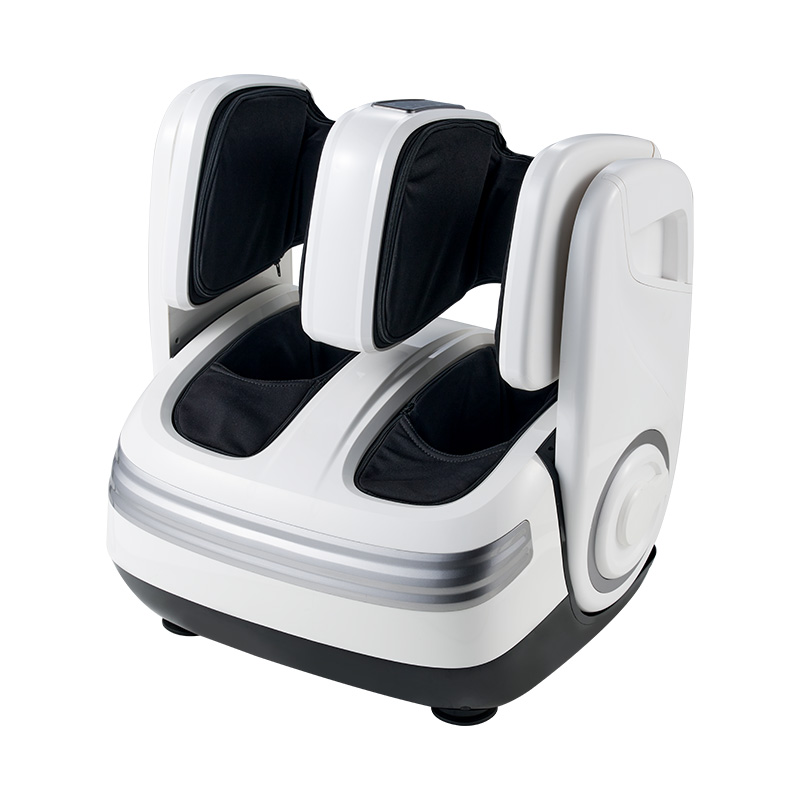
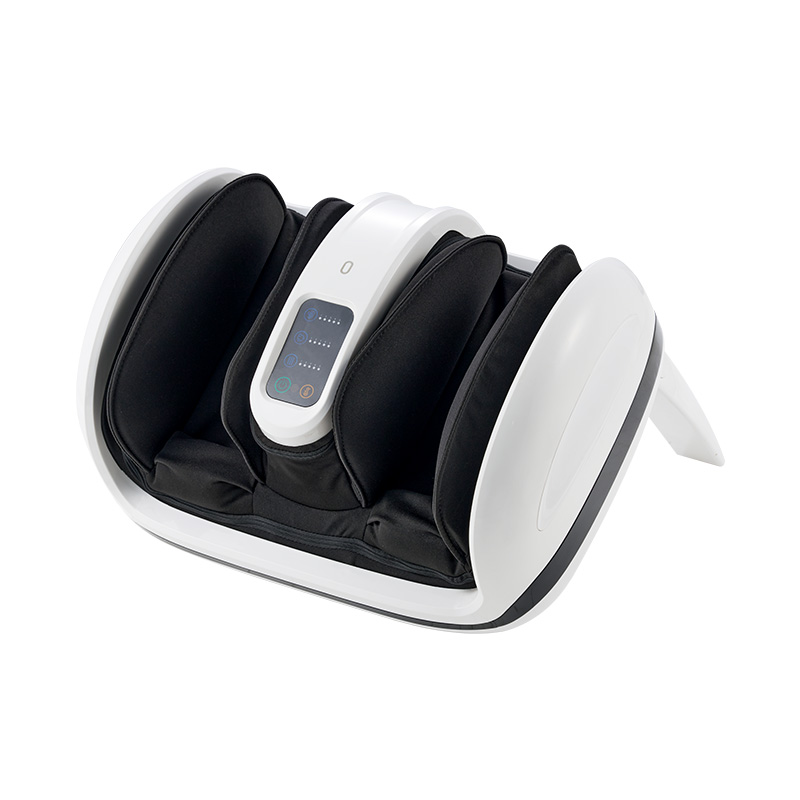
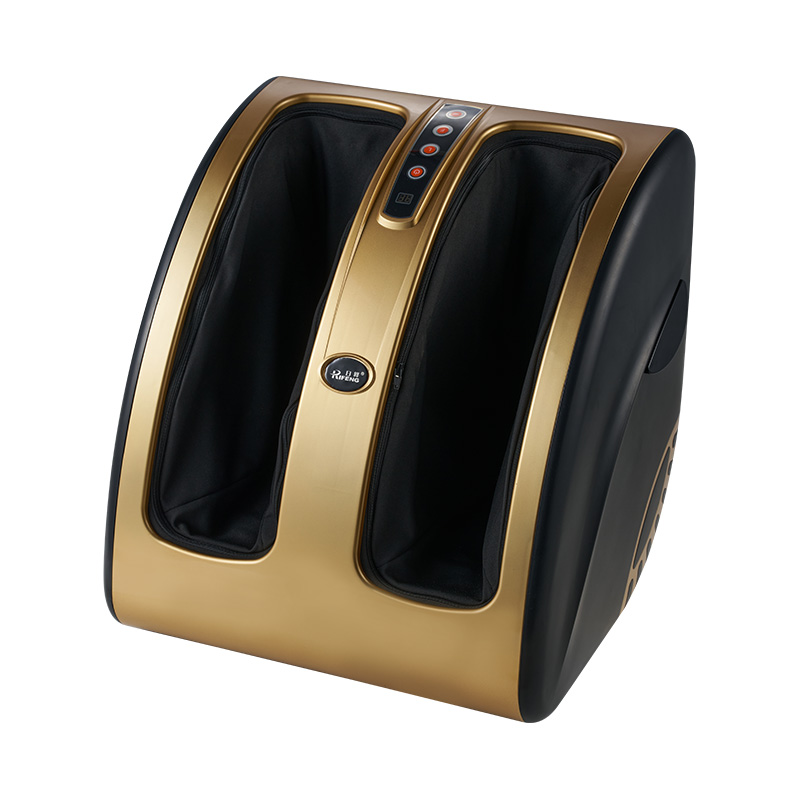
- RF-688 Detachable Lightweight Leg & Foot Massager
- RF-597 Deep Kneading Shiatsu Foot Massager with Heat
- RF-671 Full Wrapped Heat Shiatsu Foot Massager
- RF-697 Shiatsu Foot Massager with Heat and Deep Kneading
- RF-7900 Electric Air Pressure Foot and Calf Massager Machine
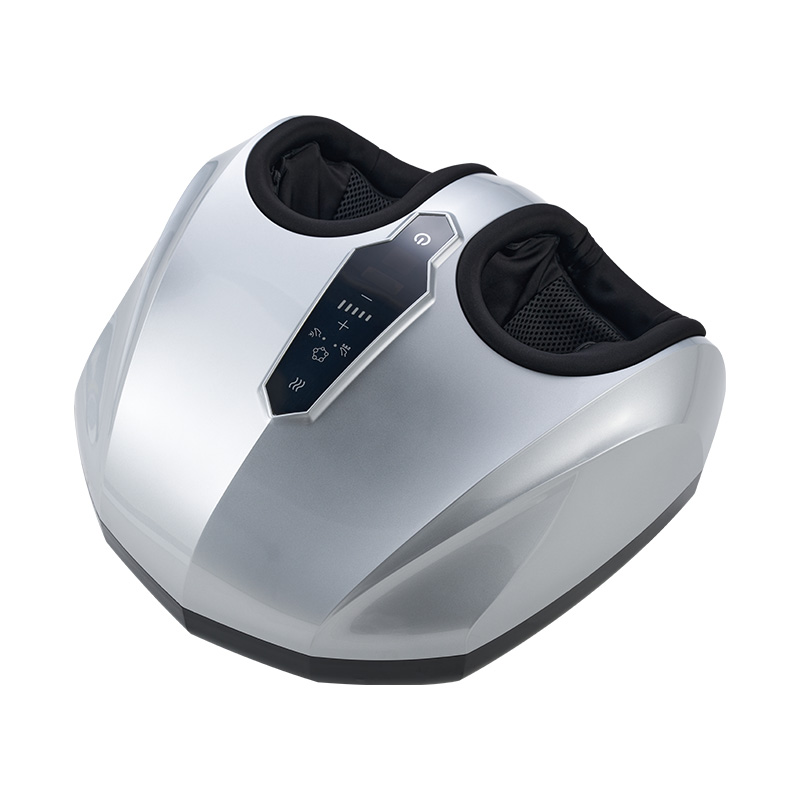
- RF-650 Electric Shiatsu Heating Foot Massager Machine
- RF-8200 Electric Leg and Foot Massager Machine
- RF-8700 Foot and Calf Massager For Relaxation And Stress Relief
Copyright © Zhejiang Rifeng Electrical Appliance Co., Ltd.
Foot Massager Factory
