
 English
 日本語
 한국어
 Deutsch
 中文简体
Air Compression Massagers: How Do Pressure Settings Affect User Suitability
Air compression technology has become an important functional option in the foot and leg massage appliance market. By inflating and releasing internal air chambers in a controlled sequence, these devices provide repeated compression around the feet, calves, and sometimes thighs. For importers, distributors, and private-label brands, understanding pressure settings is an important part of evaluating a leg and foot air compression massager. Different pressure levels, chamber arrangements, and adjustment methods can influence product positioning and the range of intended users.
At Zhejiang Rifeng Electrical Appliance Co., Ltd., we consider pressure configuration an important aspect of massage appliance development. Our product evaluation process focuses on functional requirements, operating comfort, structural design, and manufacturing consistency. Below are several considerations that buyers can review before sourcing air compression equipment.
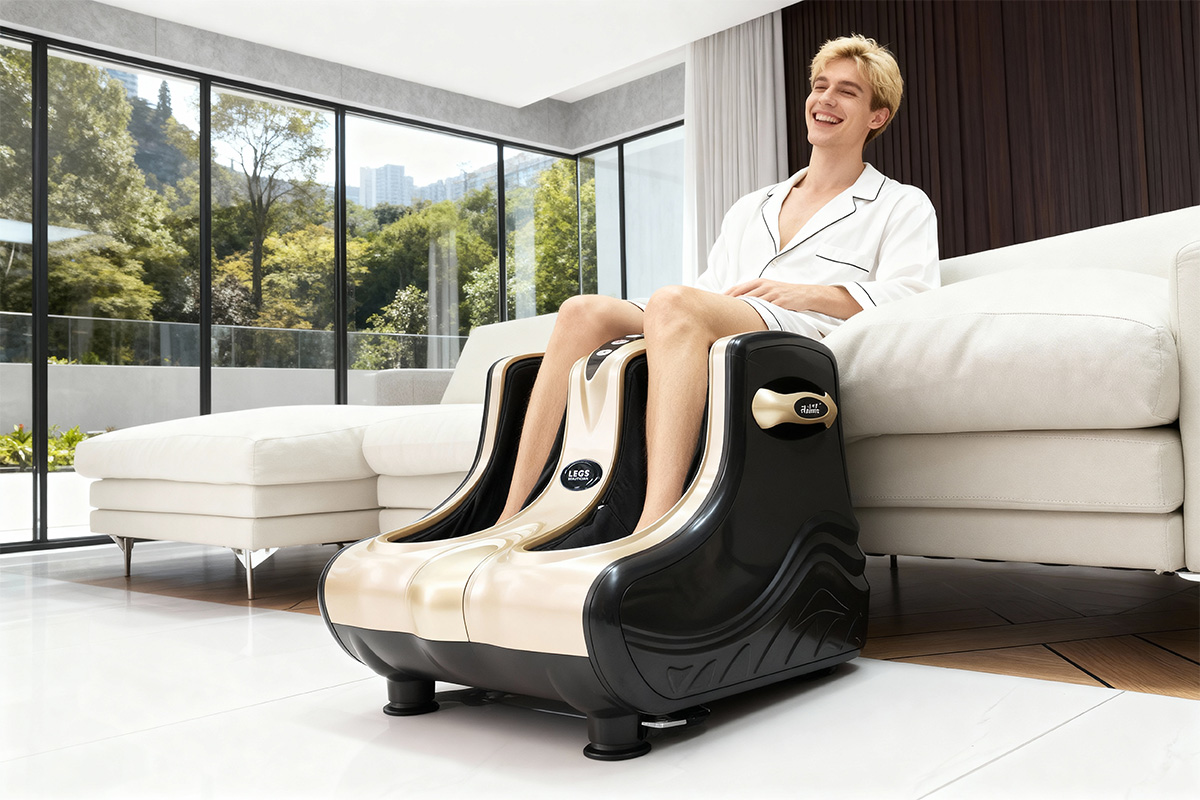
1. Understand the Relationship Between Pressure Levels and User Experience
Air compression massagers generally use an electric pump, air hoses, valves, and inflatable chambers to generate controlled pressure. The controller determines the inflation and deflation sequence, creating different compression patterns.
Common pressure configurations include:
- Low pressure: Provides a gentler compression experience and may suit users who prefer lighter massage settings.
- Medium pressure: Offers an intermediate setting for users who want more noticeable compression.
- High pressure: Provides stronger compression for users who are comfortable with a firmer operating experience.
These levels should be evaluated according to the actual product design rather than treated as universal pressure standards. Buyers should review measured pressure values, adjustment ranges, and operating instructions before comparing different models.
2. Check the Pressure Range and Adjustment Accuracy
Pressure values provide measurable information about equipment performance. Some consumer air compression models offer three intensity settings, with example configurations around 23 kPa, 27 kPa, and 31 kPa. Other designs use different pressure ranges according to their air chamber structure and intended applications.
During supplier evaluation, we recommend checking the following technical details:
- Pressure range: Confirm the available pressure values for each massage area.
- Adjustment levels: Review whether the equipment provides two, three, or more intensity options.
- Pressure consistency: Examine whether the control system maintains stable compression during repeated operating cycles.
- Inflation and release timing: Check how quickly each chamber inflates, holds pressure, and releases air.
- Independent control: Determine whether foot and calf sections can operate with different pressure settings.
These specifications help distributors compare equipment based on actual operating characteristics instead of relying solely on descriptions such as strong or gentle massage.
3. Evaluate Air Chamber Design and Body Size Compatibility
Pressure adjustment alone cannot determine whether a product suits its intended users. Air chamber placement and wearable dimensions also affect how compression is distributed.
A leg and foot air compression massager may use multiple inflatable chambers covering different areas. A three-chamber structure, for example, can provide sequential compression around the foot, calf, and thigh. The arrangement of these chambers influences the operating sequence and coverage area.
Buyers should review several structural details:
- Foot dimensions: Check internal space and compatibility with different foot sizes.
- Calf circumference: Confirm the adjustable range of straps and inflatable sections.
- Chamber arrangement: Review the number and position of inflatable sections.
- Fastening system: Examine adjustable straps, hook-and-loop closures, and wearing convenience.
- Contact materials: Evaluate fabric durability, flexibility, and cleaning requirements.
4. Consider Control Systems and Operating Programs
An intuitive control system helps users understand and adjust the equipment. Buyers should examine the relationship between pressure settings, massage programs, and operating duration.
Common control configurations include:
- Multiple intensity levels with clearly identified adjustment buttons.
- Preset massage programs using different inflation sequences.
- Independent adjustment of selected massage areas.
- Automatic timers and shutdown functions.
- LED displays showing operating modes and intensity settings.
At Rifeng, we pay attention to control convenience and functional coordination during massage appliance development. Buyers can discuss control panel layouts, program combinations, and optional electronic configurations according to their target market requirements.
5. Review Safety Features and Product Testing
Pressure-related functions require careful engineering and product testing. Excessive compression or unsuitable use may create discomfort, particularly among people with certain medical conditions. Air compression equipment should not be presented as a substitute for professional medical treatment.
Before confirming a purchase, buyers should review:
- Pressure control and protection mechanisms.
- Automatic shutdown and operating time settings.
- Electrical safety and applicable compliance documentation.
- Air hose connections, valve performance, and chamber sealing.
- User manuals covering warnings, contraindications, and operating instructions.
People with suspected blood clots, significant circulatory disorders, or other relevant medical conditions should seek professional medical advice before using compression equipment. Clear product instructions are also important for international distribution.
6. Match Pressure Configurations with Your Purchasing Strategy
Different distribution channels may require different product configurations. Retailers may prioritize straightforward controls and several intensity options, while private-label brands may request customized programs, appearance details, or packaging arrangements.
At Zhejiang Rifeng Electrical Appliance Co., Ltd., we support OEM and ODM discussions covering product appearance, functional configurations, branding, and packaging. Our manufacturing experience in massage and healthcare appliances helps us coordinate product requirements with development and production arrangements.
We recommend that buyers compare samples, verify pressure specifications, and confirm the intended user range before approving a production order. A clearly defined specification sheet also helps maintain consistency between approved samples and subsequent manufacturing batches.
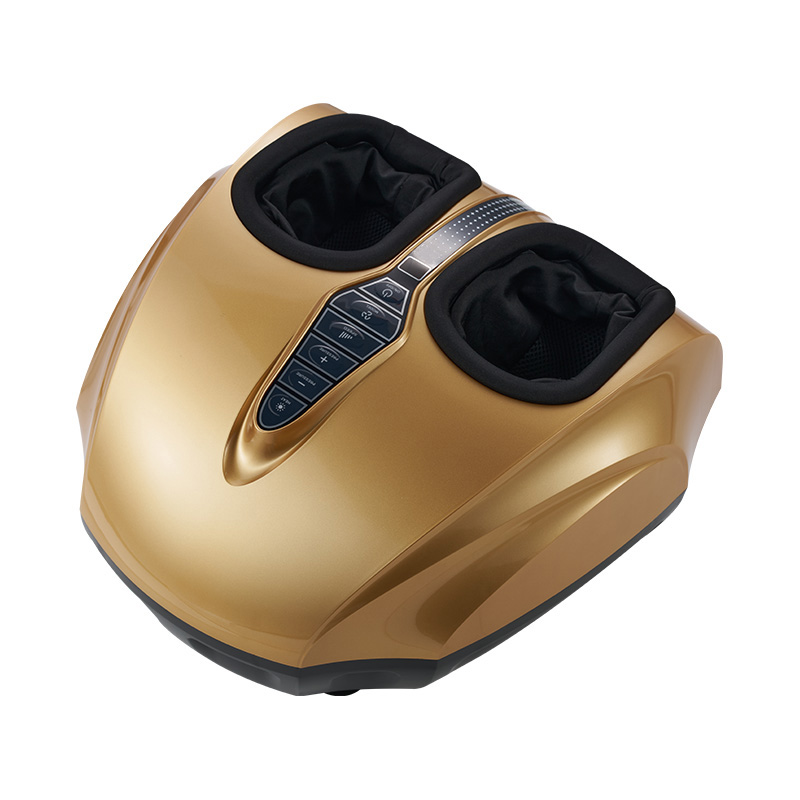
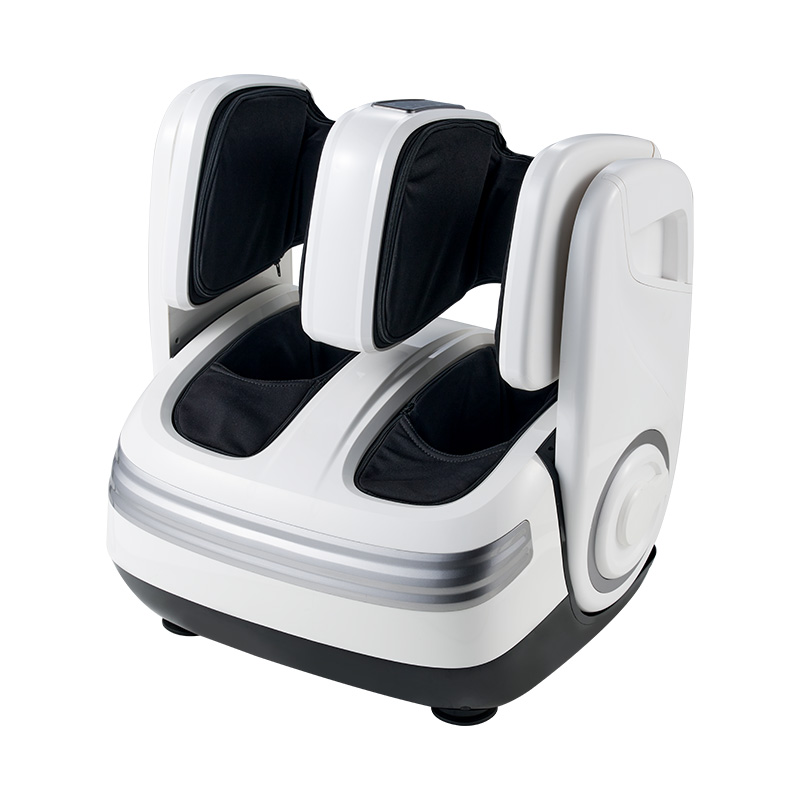
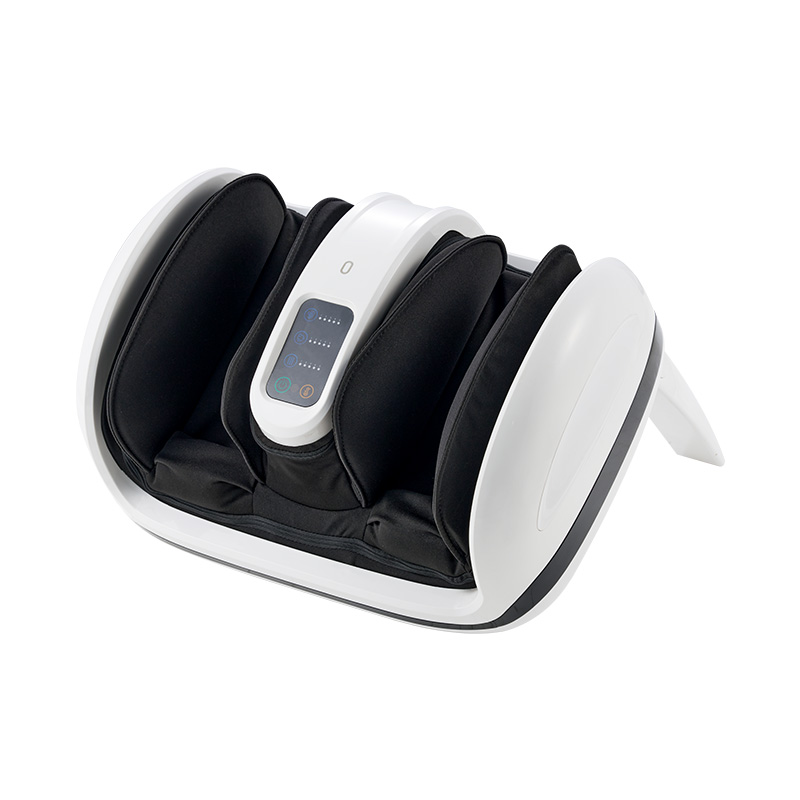
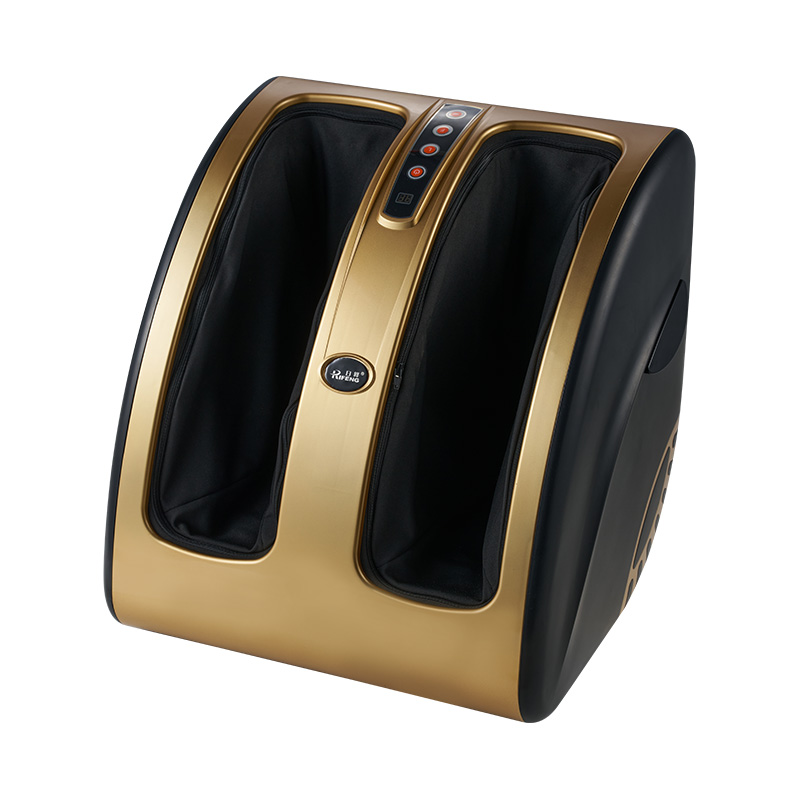
- RF-688 Detachable Lightweight Leg & Foot Massager
- RF-597 Deep Kneading Shiatsu Foot Massager with Heat
- RF-671 Full Wrapped Heat Shiatsu Foot Massager
- RF-697 Shiatsu Foot Massager with Heat and Deep Kneading
- RF-7900 Electric Air Pressure Foot and Calf Massager Machine
- RF-650 Electric Shiatsu Heating Foot Massager Machine
- RF-8200 Electric Leg and Foot Massager Machine
- RF-8700 Foot and Calf Massager For Relaxation And Stress Relief
Copyright © Zhejiang Rifeng Electrical Appliance Co., Ltd.
Foot Massager Factory
