
 English
 日本語
日本語 한국어
한국어 Deutsch
 中文简体
中文简体Are Household Electric Shiatsu Foot Massagers Comfortable Enough for Everyday Home Use Without Overuse Issues
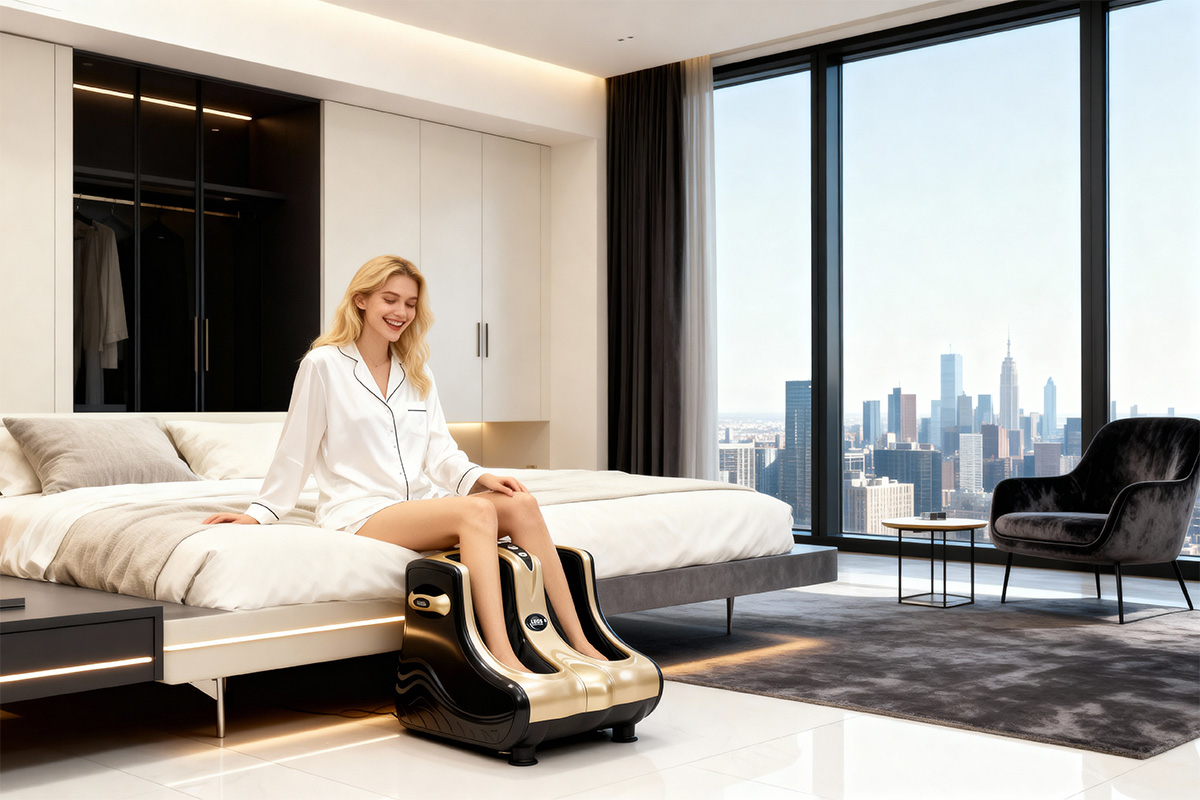
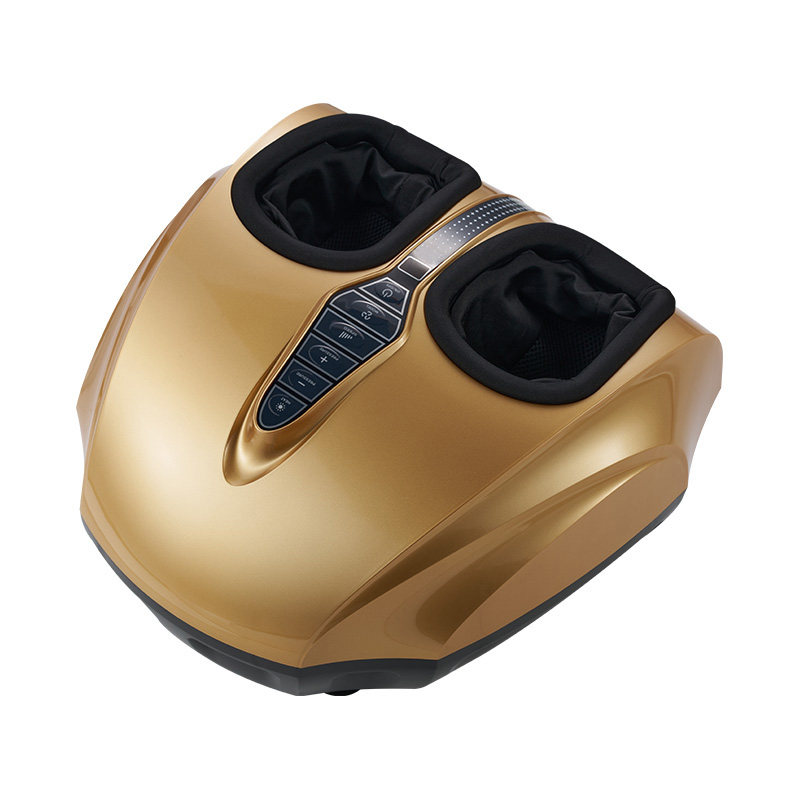
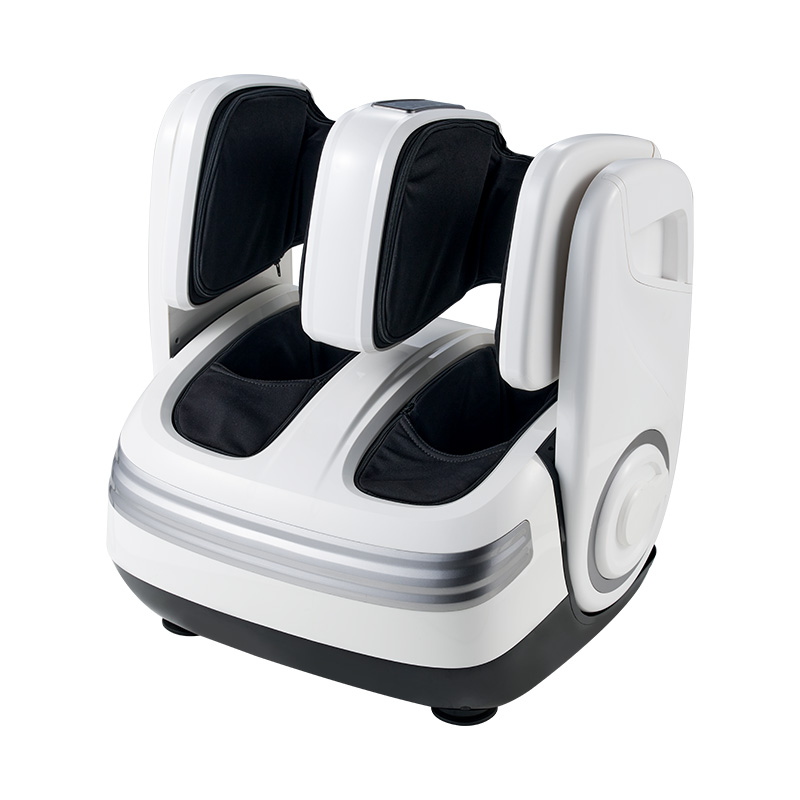
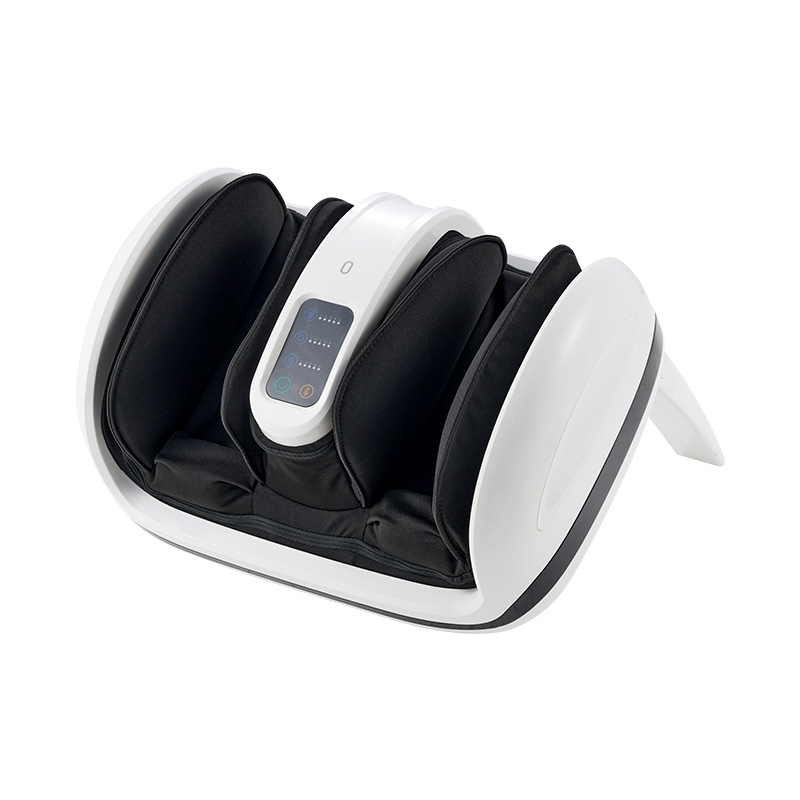
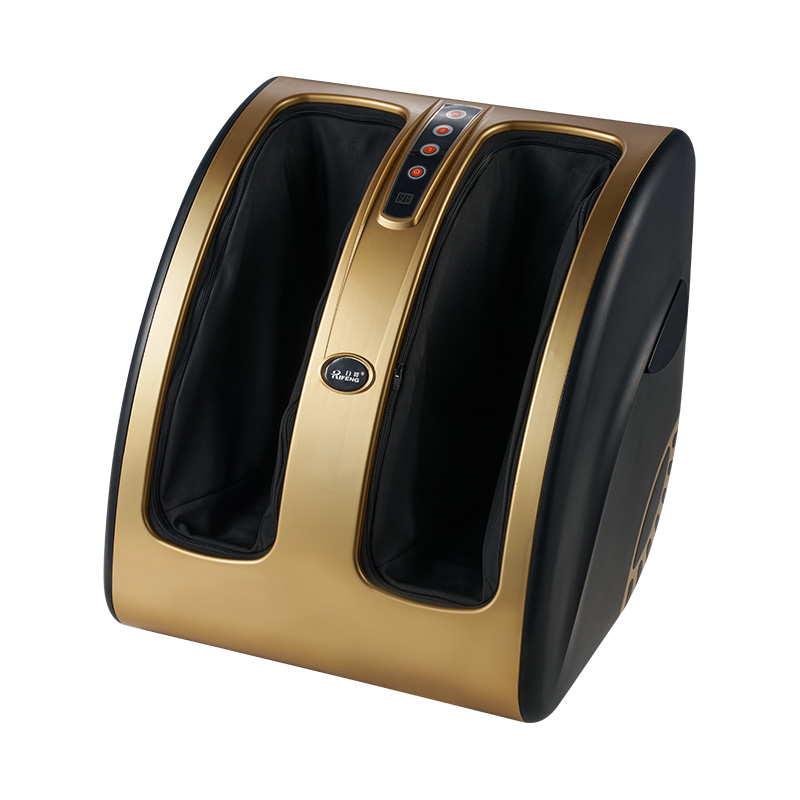
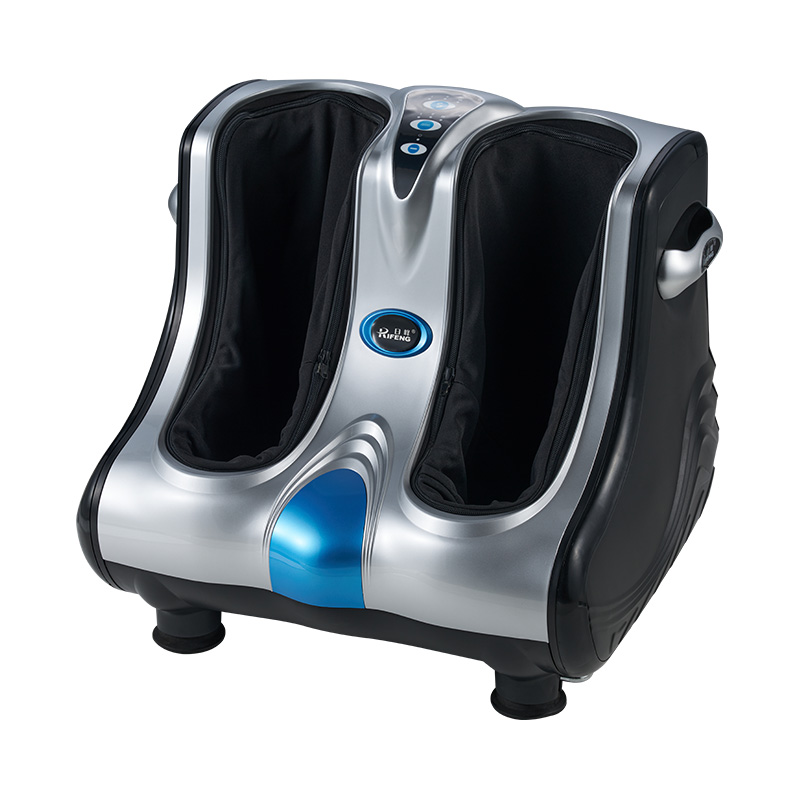
Modern home wellness routines increasingly include compact recovery devices such as a Household Electric Shiatsu Foot Massager. These machines combine kneading rollers, heat therapy, and sometimes air compression to simulate professional foot massage sessions. Comfort and safety, however, depend less on machine capability and more on how daily usage aligns with tissue tolerance and stimulation intensity.
Consumer feedback and therapy-based insights show that everyday usability is achievable, yet balance between relaxation and overuse determines long-term comfort.
Everyday Comfort Profile of Shiatsu Foot Systems
Shiatsu-based devices are designed to replicate thumb-like pressure along foot reflex zones. This creates a deeper mechanical sensation compared with vibration-only systems.
- Deep kneading rollers simulate manual pressure along arch and heel structures.
- Heat-assisted modes improve tissue softness and perceived comfort during use.
- Pre-set programs help regulate intensity for routine home sessions.
Research summaries suggest shiatsu-style stimulation can support short-term relief of foot fatigue, especially after long standing activity, but sensitivity varies depending on user condition and pressure tolerance.
Daily Use Patterns and Comfort Adaptation
Regular use is generally considered acceptable for many healthy users, provided session length and intensity remain controlled.
- Adaptation phase often occurs within the initial week, where initial strong sensations become more tolerable.
- Routine use typically stabilizes at 10–20 minute sessions per day.
- Comfort consistency improves when intensity settings remain moderate instead of absolute levels.
Usage guidelines from multiple safety analyses recommend short, controlled sessions to avoid muscle overstimulation and lingering soreness after repeated daily use.
Overuse Risk Factors in Home Settings
Although designed for convenience, home environments often encourage longer and more frequent sessions, which increases the risk of overuse effects.
- Extended duration use may trigger delayed soreness or plantar sensitivity.
- High-intensity settings can create excessive pressure on heel and arch zones.
- Repeated daily cycles without rest may temporarily increase foot sensitivity.
Overuse symptoms reported in consumer safety literature include soreness, redness, and occasional numbness caused by nerve overstimulation or tissue fatigue.
Heat Function and Comfort Balance
Heat is a key feature in household shiatsu systems because it improves circulation and soft tissue flexibility. However, enclosed heat combined with pressure requires moderation.
- Low-to-medium heat improves relaxation without excessive thermal buildup.
- Combined heat and kneading increases perceived massage depth.
- Long sessions with heat may increase skin sensitivity in some users.
Safety recommendations commonly advise limiting continuous use to short intervals to prevent overheating and localized irritation.
Comfort Differences Between User Types
Not all users experience household shiatsu devices in the same way. Comfort depends heavily on foot sensitivity, body weight distribution, and prior fatigue levels.
- Active workers often perceive stronger relief due to higher baseline fatigue.
- Sensitive users may prefer lower intensity vibration or shorter shiatsu sessions.
- Regular users typically adjust settings over time to match comfort tolerance.
User experience data suggests that perceived comfort improves after repeated sessions as the nervous system adapts to mechanical stimulation patterns.
Daily Use vs Long-Term Balance
Household shiatsu devices perform ideally as recovery tools rather than continuous therapeutic solutions. Their role is to reduce daily fatigue rather than correct underlying structural foot conditions.
- Short-term benefit includes relaxation and temporary reduction in stiffness.
- Mid-term benefit includes improved perceived mobility after repeated use.
- Long-term limitation remains tied to posture, footwear, and activity patterns.
Clinical perspectives emphasize that consistent moderate use is more beneficial than sporadic high-intensity sessions, which may increase tissue stress rather than recovery quality.
Practical Safety and Usage Balance
A Household Electric Shiatsu Foot Massager can be comfortable for everyday home use when intensity, duration, and frequency remain within controlled ranges. Most users achieve ideal comfort with moderate settings and daily sessions that do not exceed short therapeutic windows.
Overuse concerns are generally preventable through simple adjustments such as reducing pressure levels, limiting session time, and allowing rest days during periods of increased sensitivity.
Overall comfort is achieved not by improving force, but by maintaining consistent, tolerable stimulation that supports relaxation without overwhelming foot tissues.
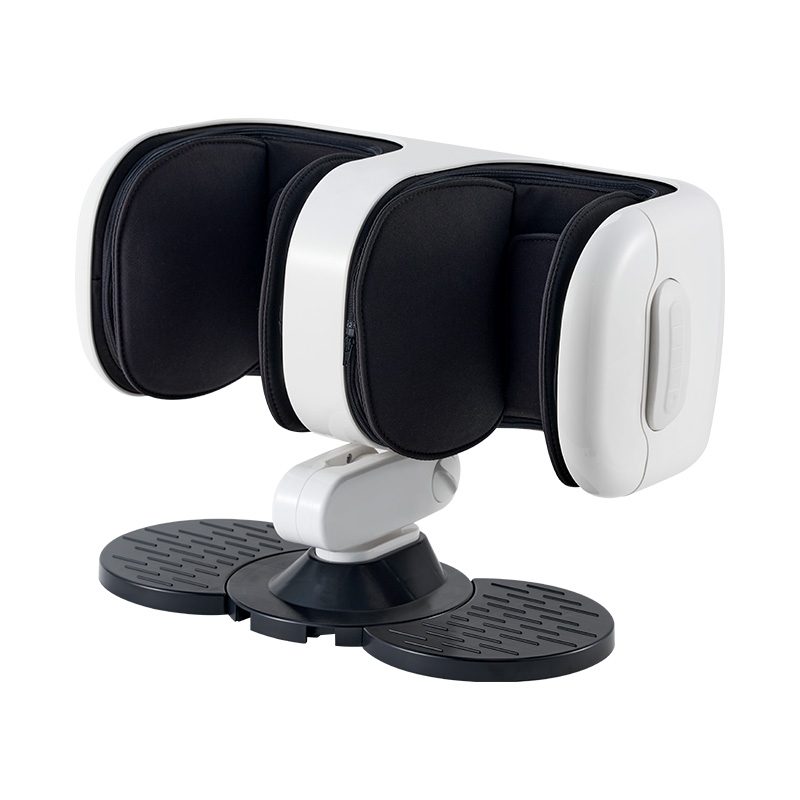
- RF-688 Detachable Lightweight Leg & Foot Massager
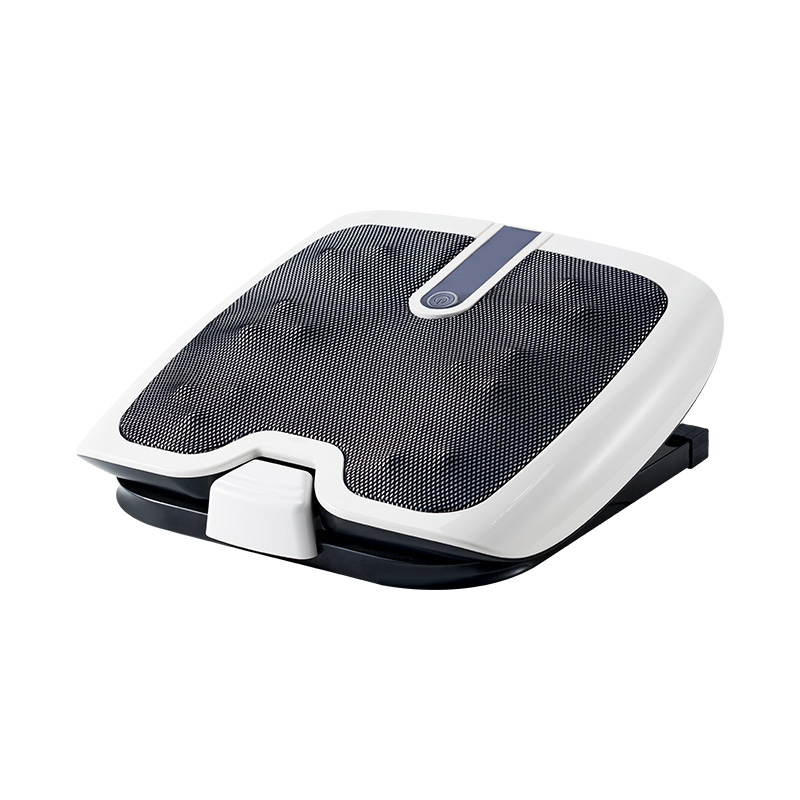
- RF-597 Deep Kneading Shiatsu Foot Massager with Heat
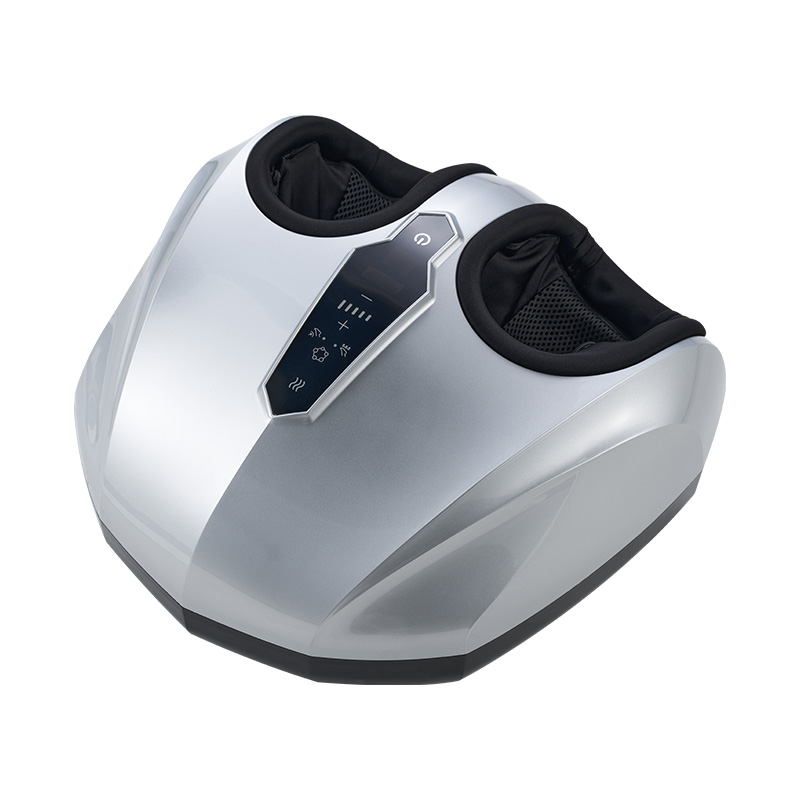
- RF-671 Full Wrapped Heat Shiatsu Foot Massager
- RF-697 Shiatsu Foot Massager with Heat and Deep Kneading
- RF-7900 Electric Air Pressure Foot and Calf Massager Machine
- RF-650 Electric Shiatsu Heating Foot Massager Machine
- RF-8200 Electric Leg and Foot Massager Machine
- RF-8700 Foot and Calf Massager For Relaxation And Stress Relief
Copyright © Zhejiang Rifeng Electrical Appliance Co., Ltd.
Foot Massager Factory
