
 English
 日本語
日本語 한국어
한국어 Deutsch
 中文简体
中文简体Vibration or Kneading: Which Electric Vibrating Foot Massager Feels More Effective After Long Standing Hours
Extended standing hours place continuous load on the plantar fascia, calf muscles, and ankle joints. Recovery tools such as an Electric Vibrating Massage Foot Massager and kneading-based systems are widely used to reduce fatigue, yet the sensation and functional outcome differ significantly between the two mechanisms.
Both technologies aim to reduce discomfort, but the underlying stimulation pattern determines how deep the effect reaches and how quickly relief is perceived after long shifts.
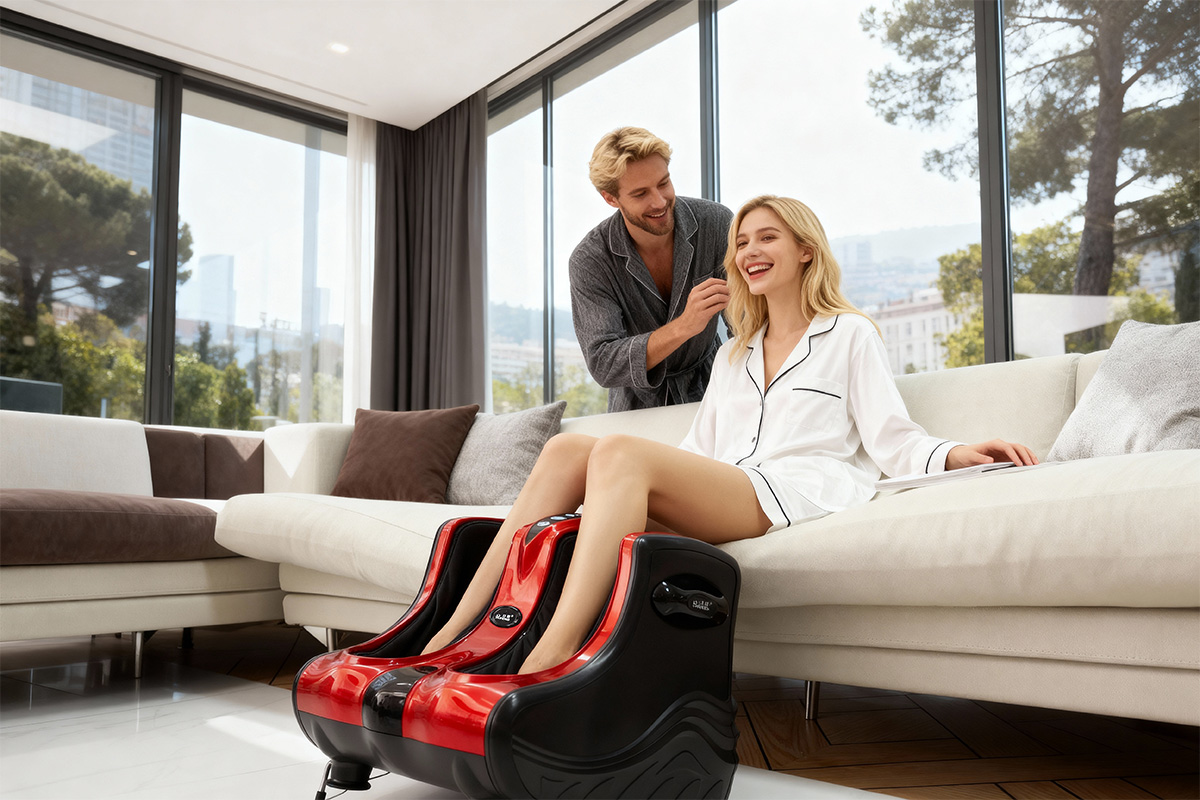
Core Difference Between Vibration and Kneading Motion
Vibration systems rely on high-frequency motor oscillations, while kneading systems simulate rolling pressure similar to manual massage techniques.
- Vibration systems deliver rapid surface-level stimulation through continuous micro-movements.
- Kneading systems apply directional pressure using rotating nodes that press into arch and heel zones.
- Combined devices integrate both methods to balance sensory relief and mechanical muscle engagement.
Technical reviews indicate vibration primarily interacts with skin-level mechanoreceptors, while kneading reaches deeper tissue layers including fascia and intrinsic foot muscles.
How Each Method Responds to Long-Standing Fatigue
Fatigue from prolonged standing is typically associated with reduced venous return, calf tightness, and plantar fascia compression. Each massage method addresses these issues differently.
- Vibration response creates fast sensory stimulation that reduces perceived soreness quickly.
- Kneading response applies structured pressure that supports muscle relaxation in deeper layers.
- Combined response enhances both immediate comfort and post-use looseness in the arch and calf chain.
Physiological analysis suggests vibration can temporarily modulate pain signals, while kneading contributes more to mechanical relaxation of tight connective tissue structures.
Sensation Depth and Recovery Perception
The feeling of “effectiveness” often depends on how deeply the stimulation is perceived rather than only physiological changes.
- Vibration sensation feels lighter, faster, and more surface-oriented.
- Kneading sensation feels slower, heavier, and more localized on pressure points.
- User perception often associates deeper pressure with stronger recovery impact.
Clinical comparisons of mechanical massage types show that deeper mechanical engagement tends to correlate with longer-lasting comfort after standing fatigue, while vibration produces quicker but shorter-lived relief.
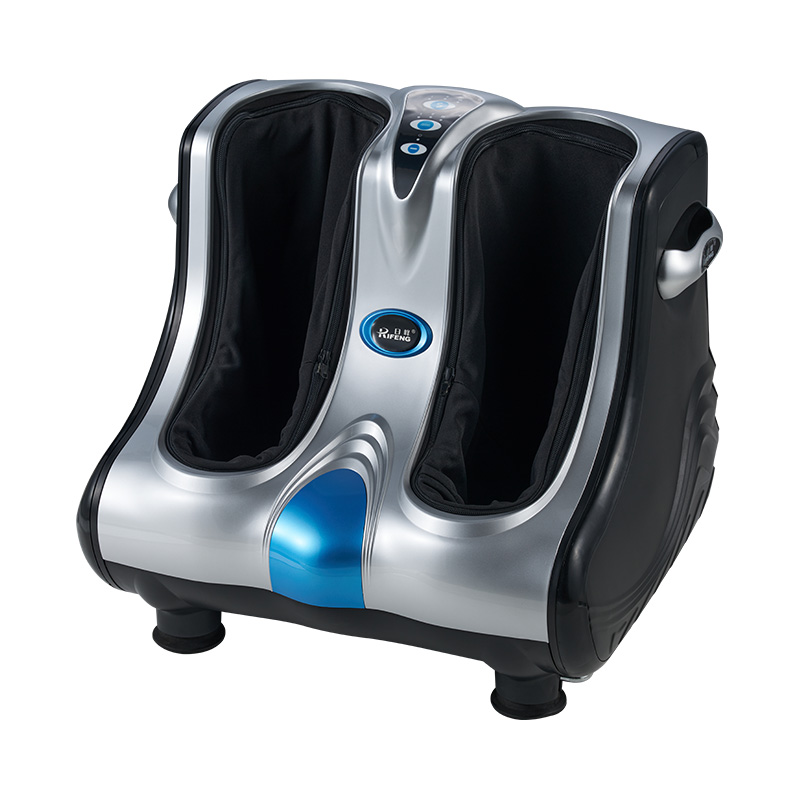
Mechanics Behind Electric Vibrating Massage Foot Massager
An Electric Vibrating Massage Foot Massager typically uses an off-balance motor to generate high-frequency oscillations. These oscillations transmit through the platform into the foot, stimulating nerve endings and promoting temporary blood vessel dilation.
Key operating characteristics include:
- Frequency range commonly between 20–60 Hz depending on motor design.
- Surface transmission that prioritizes sensory nerve activation.
- Light mechanical penetration compared with rolling or air compression systems.
Studies on vibration therapy indicate that rapid mechanical pulses can temporarily reduce pain perception through neural modulation, although deeper muscular structures are less affected.
Kneading Technology and Structural Engagement
Kneading systems replicate hand massage techniques using rotating nodes or 3D rollers. This method introduces directional force that follows the contours of the foot arch.
- Rotational pressure targets plantar fascia tension zones.
- Focused compression stimulates deeper muscle layers under the heel.
- Slow rhythm movement encourages tissue relaxation rather than surface buzzing.
Industry analysis shows kneading systems are often preferred for post-work recovery due to their ability to replicate manual therapy pressure patterns more closely.
Recovery Feel After Long Standing Hours
After extended standing, the lower limb often experiences fluid accumulation, calf stiffness, and plantar tightness. The perceived effectiveness depends on how each method interacts with these conditions.
- Vibration outcome delivers rapid sensory distraction from soreness but fades relatively quickly.
- Kneading outcome improves muscle looseness and arch flexibility after use.
- Hybrid systems combine both effects for balanced comfort and deeper relaxation.
User experience discussions often describe vibration as “light refreshment” and kneading as “deep release,” reflecting the structural difference between surface and deep tissue engagement.
Comfort Threshold and Intensity Control
Intensity settings play a critical role in determining which method feels more suitable. Overly strong vibration can feel harsh, while excessive kneading pressure may cause discomfort in sensitive areas.
- Lower vibration settings support gentle recovery and sensory relief.
- Medium kneading levels balance pressure and comfort for daily use.
- Adjustable modes improve adaptability across fatigue levels.
Optimal usage generally depends on matching intensity with fatigue severity rather than improving output strength.
Overall Effectiveness Comparison
Evaluation of both technologies shows distinct roles rather than a single option. Vibration emphasizes fast sensory relief, while kneading focuses on structural muscle recovery.
An Electric Vibrating Massage Foot Massager is often favored for quick relaxation sessions, especially after moderate standing fatigue. Kneading systems tend to provide more noticeable physical loosening after extended workloads.
Combined devices that integrate both methods often deliver a more balanced outcome, particularly for users experiencing consistent long-standing hours in occupational environments.
- RF-688 Detachable Lightweight Leg & Foot Massager
- RF-597 Deep Kneading Shiatsu Foot Massager with Heat
- RF-671 Full Wrapped Heat Shiatsu Foot Massager
- RF-697 Shiatsu Foot Massager with Heat and Deep Kneading
- RF-7900 Electric Air Pressure Foot and Calf Massager Machine
- RF-650 Electric Shiatsu Heating Foot Massager Machine
- RF-8200 Electric Leg and Foot Massager Machine
- RF-8700 Foot and Calf Massager For Relaxation And Stress Relief
Copyright © Zhejiang Rifeng Electrical Appliance Co., Ltd.
Foot Massager Factory
