
 English
 日本語
日本語 한국어
한국어 Deutsch
 中文简体
中文简体Can an electric foot massager help with specific medical conditions like plantar fasciitis or neuropathy?
Plantar fasciitis (inflammation of the band of tissue along the bottom of the foot). Mechanical kneading (shiatsu rollers) can temporarily relieve pain by increasing blood flow and stretching the plantar fascia. A 2014 study (40 participants) found that 15 minutes of daily shiatsu massage for 4 weeks reduced morning foot pain scores (on a 0–10 scale) from 7.2 to 3.8, compared to a control group that did no massage (7.2 to 6.5). However, the study did not have a placebo control, so the placebo effect likely contributed. The mechanism is not that the massage "cures" plantar fasciitis; it reduces muscle tension in the calf and foot, which lessens the pull on the fascia.
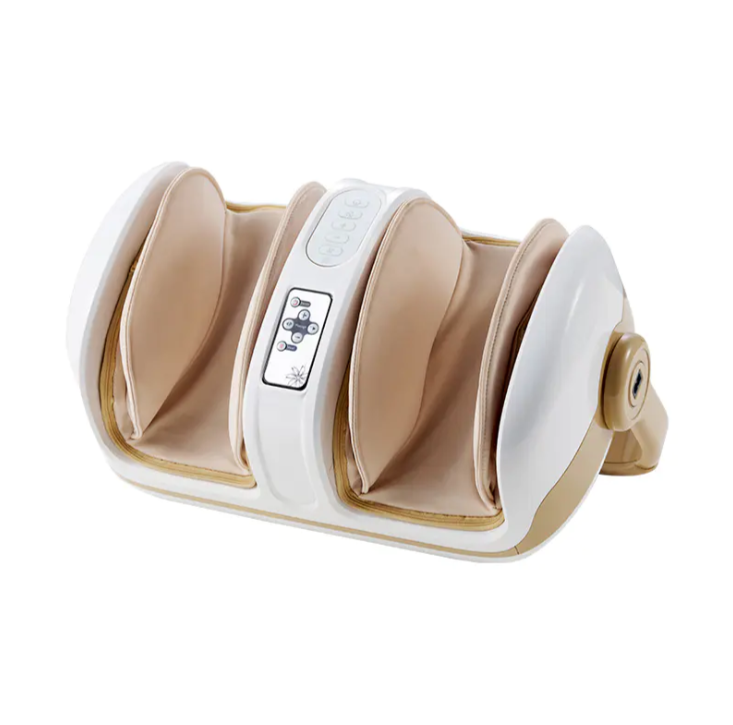
The massager should be used on a low to medium intensity; high intensity can aggravate the inflamed tissue. For people with plantar fasciitis, the massager is an adjunct to stretching (calf stretches, towel curls) and proper footwear, not a replacement. Some chiropractors recommend using a frozen water bottle roll (manual massage) before using an electric massager for better results.
Peripheral neuropathy (nerve damage, often due to diabetes or chemotherapy). For people with loss of sensation (numbness) in the feet, an electric foot massager can be dangerous. A person with neuropathy may not feel excessive pressure, heat, or friction. Using a shiatsu massager with strong rollers can cause bruising, skin abrasions, or even a foot ulcer if the massager has a pinching mechanism (air bladders can also pinch). A 2017 case report described a diabetic patient who developed a foot ulcer after using an electric massager for 30 minutes daily for 2 weeks; the patient could not feel the pressure points. Therefore, people with diagnosed neuropathy should consult their podiatrist before using any electric massager. If approved, they should use only low-intensity vibration massagers (no kneading, no air compression) and limit use to 5–10 minutes. The massager should have an auto-shutoff (most do) to prevent accidental overuse. For patients with neuropathy but intact sensation (mild, early-stage), a massager with a "gentle" mode is acceptable.
How hot does the heating function get, and is there a risk of burns?
The heating element in a foot massager is typically a flexible polyimide film or a metal-foil heater embedded in the footbed, under the fabric cover. It is not the same as a heating pad (which can reach 60–70°C). Foot massager heating is regulated by UL 1647 (for massagers) and IEC 60335-2-32.
Temperature range: Most Electric Foot Massagers heat to 40–55°C (104–131°F). The lower end (40–45°C) provides gentle warmth that feels relaxing but does not produce a therapeutic heat (e.g., for muscle relaxation, 40–45°C is fine). The higher end (50–55°C) is warm enough to feel clearly hot but not burning for a person with normal sensation. By comparison, tap water for a foot bath is 37–40°C; a hot shower is 41–43°C; a hot tub is 40°C. So 55°C is significantly hotter than a hot tub but lower than the 60°C at which skin burns occur after 5 seconds of contact. However, prolonged contact (30+ minutes) at 55°C can cause a low-grade burn (redness, blistering) in people with very sensitive skin. For this reason, most massagers have a maximum temperature of 50°C and a timer that turns off heat after 15–20 minutes.
Burn risk factors: People with diabetes (as noted in FAQ 1) may not feel the heat. People taking blood thinners (warfarin, apixaban) have thinner skin and bruise more easily; they are more prone to burns. People with peripheral vascular disease (poor blood flow to feet) have reduced sensation. Elderly people have thinner skin (the dermis is 15–20% thinner at age 70 than at age 30). In these populations, 50°C for 20 minutes can cause a first-degree burn (redness) and potentially a second-degree burn (blister). Therefore, many massagers include a "low heat" option (40–45°C) for sensitive users, or a "no heat" setting.
How to test the heat safely before full use: Turn on the massager (no feet). After 5 minutes, place your hand on the footbed. It should feel pleasantly warm, not so hot that you need to remove your hand. If you cannot keep your hand on the footbed for 10 seconds, the temperature is too high (above 55°C). Return the massager. For your feet, start with a thin sock (cotton) rather than bare feet. After 5 minutes, check the soles of your feet. If you see redness that persists for more than 15 minutes after removing your feet, the heat setting is too high for you. Use a lower setting or a cotton sock as a barrier.
Heat distribution problems: In cheaper massagers, the heating element may cover only the heel and arch, leaving the toes cold. Or a hot spot may develop where the heating wire folds. If you feel that one spot is much hotter than the rest, discontinue use. That is a manufacturing defect. In air compression massagers, the heater is often in the base (under the foot), not inside the air bladders – so the top of the foot does not get heated. That is normal.
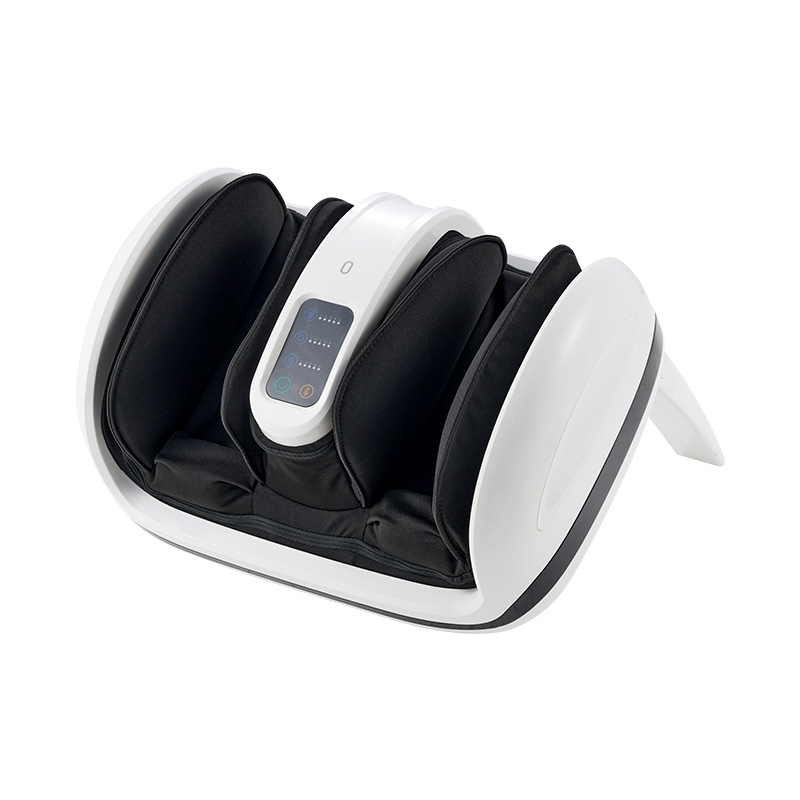
- RF-688 Detachable Lightweight Leg & Foot Massager
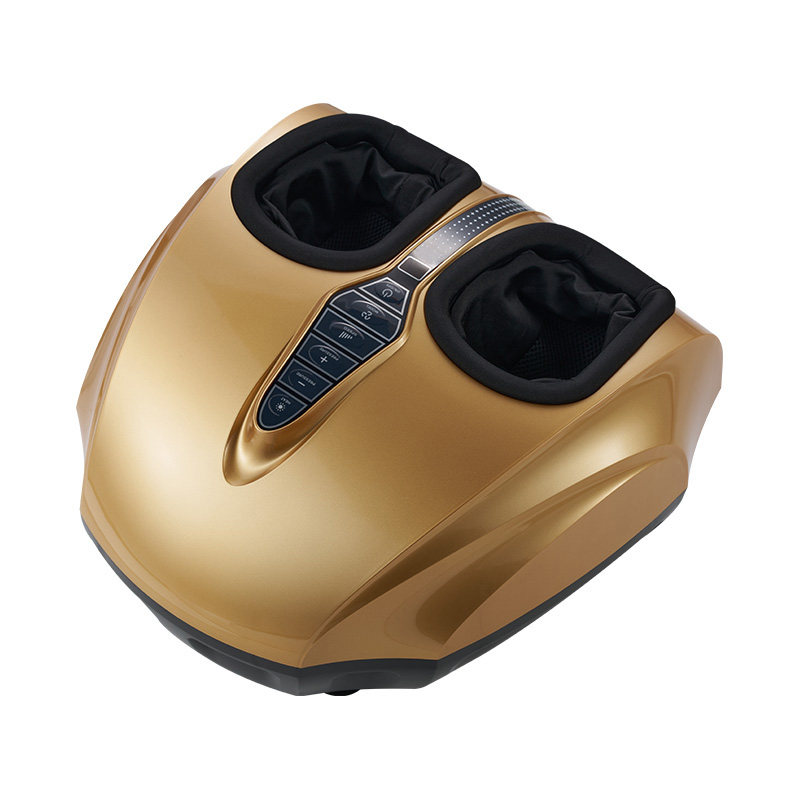
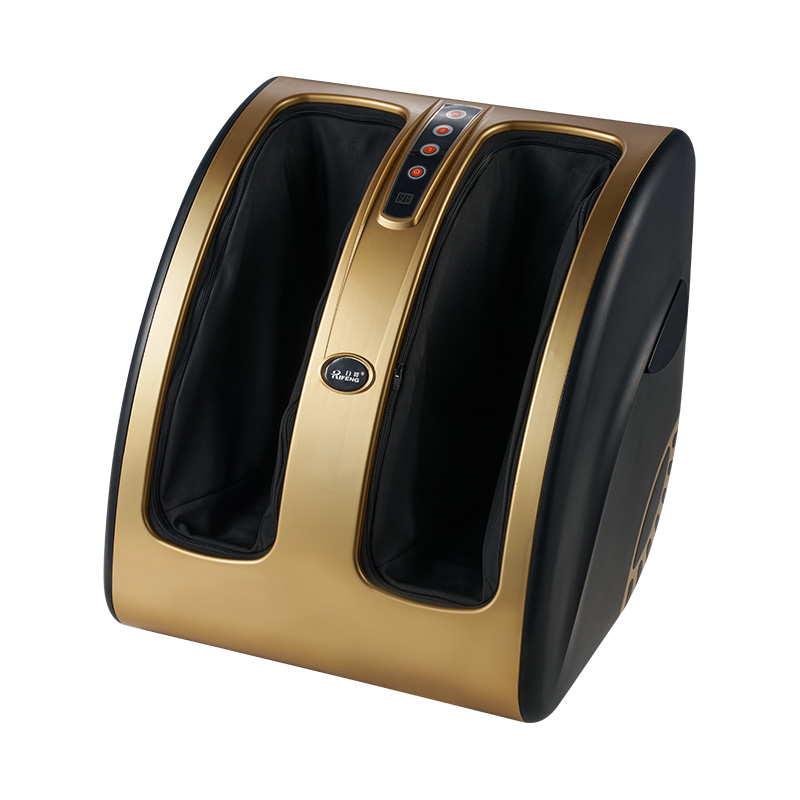
- RF-597 Deep Kneading Shiatsu Foot Massager with Heat
- RF-671 Full Wrapped Heat Shiatsu Foot Massager
- RF-697 Shiatsu Foot Massager with Heat and Deep Kneading
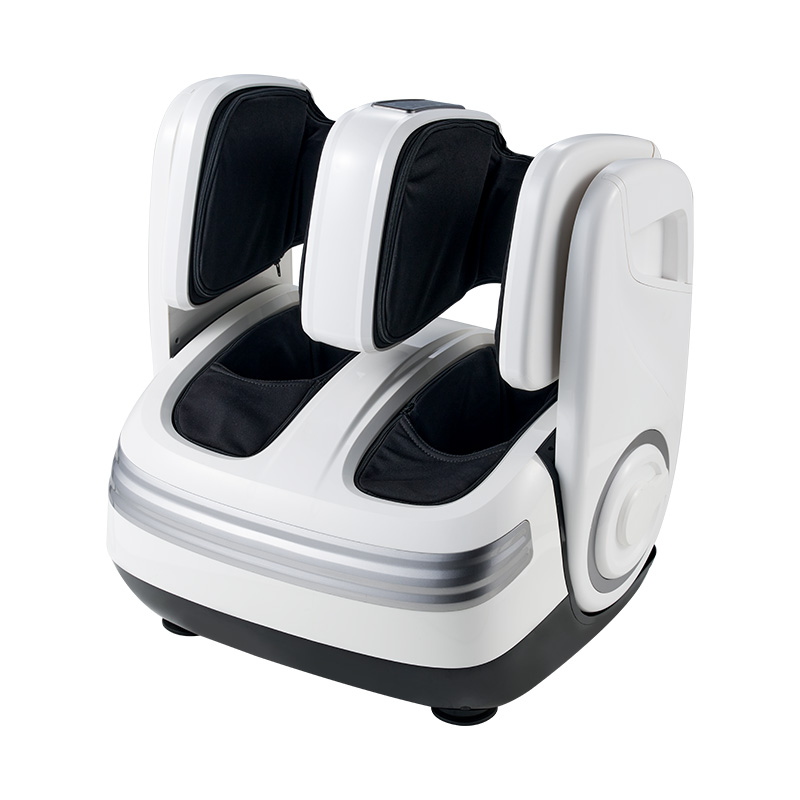
- RF-7900 Electric Air Pressure Foot and Calf Massager Machine
- RF-650 Electric Shiatsu Heating Foot Massager Machine
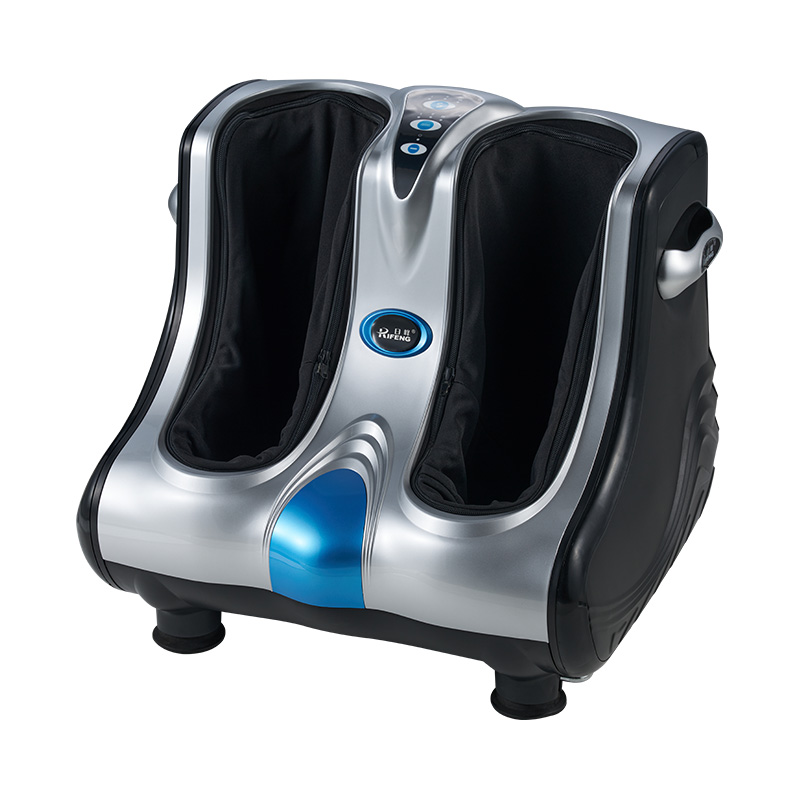
- RF-8200 Electric Leg and Foot Massager Machine
- RF-8700 Foot and Calf Massager For Relaxation And Stress Relief
Copyright © Zhejiang Rifeng Electrical Appliance Co., Ltd.
Foot Massager Factory
