
 English
 日本語
日本語 한국어
한국어 Deutsch
 中文简体
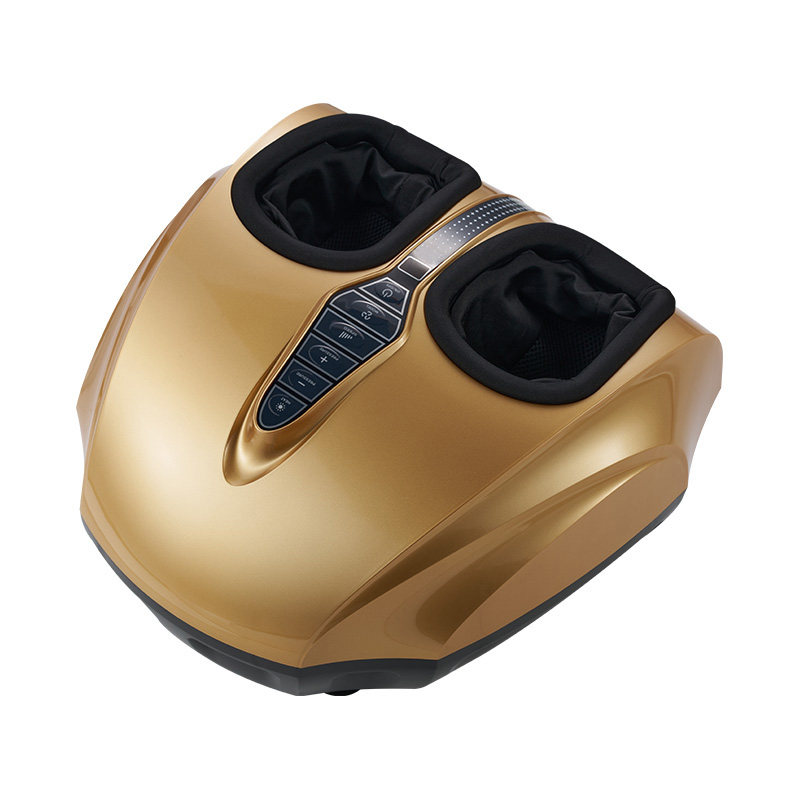
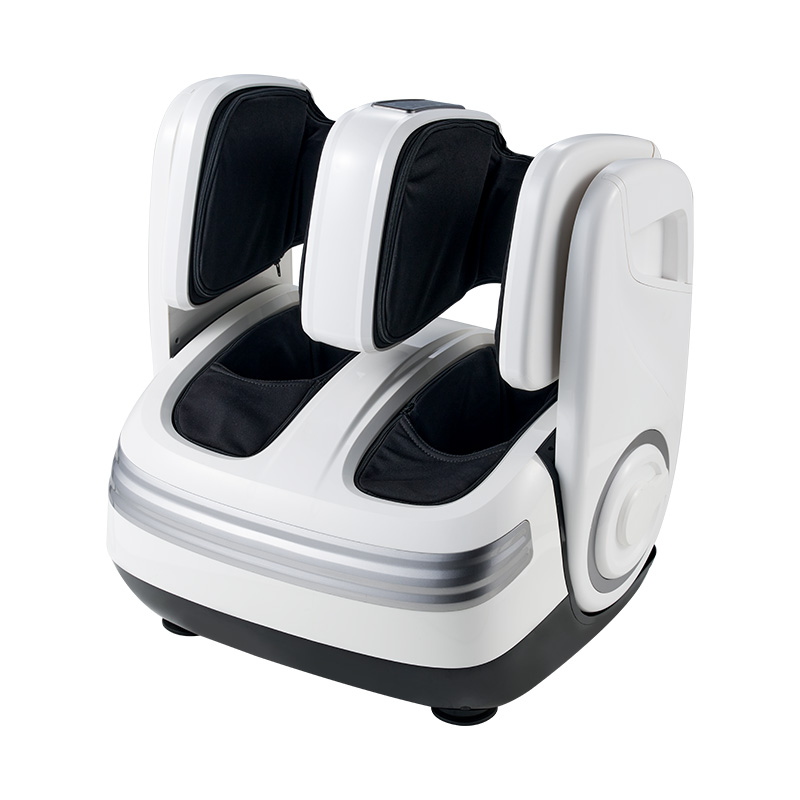
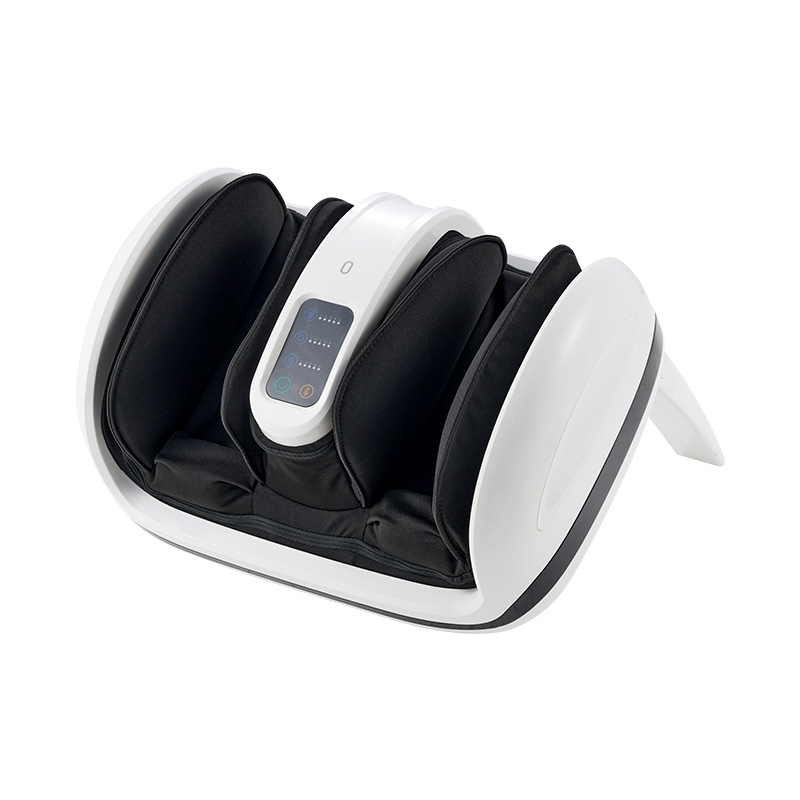
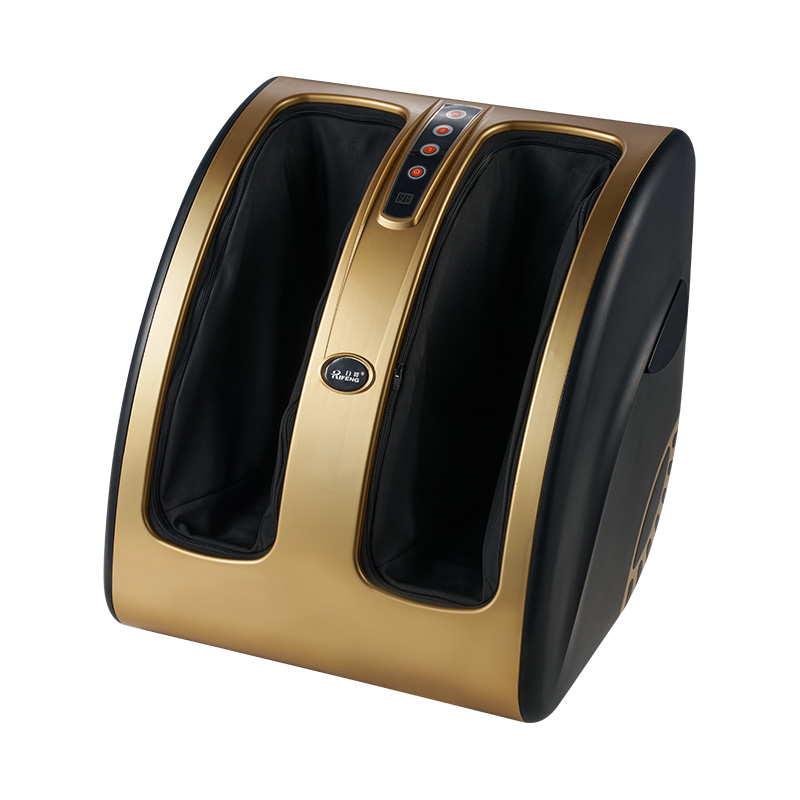
中文简体Who Can Benefit From Using A Medical Foot Massager
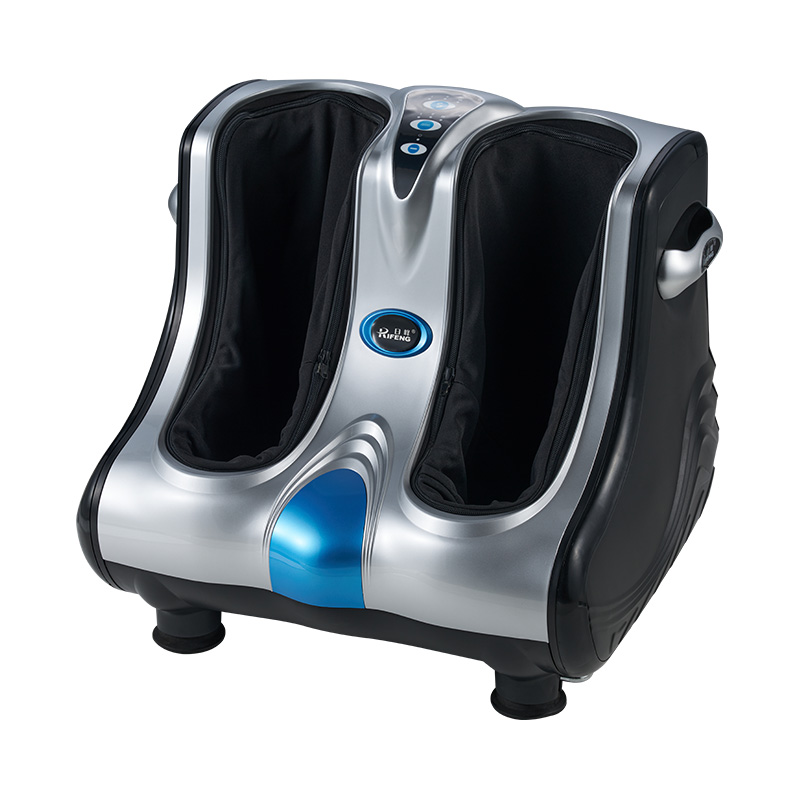
A medical foot massager is often introduced as a comfort device, but in daily life it tends to serve more than one purpose. Feet carry body weight all day, and that pressure does not disappear immediately after rest begins. It usually lingers for a while, sometimes unnoticed at first.
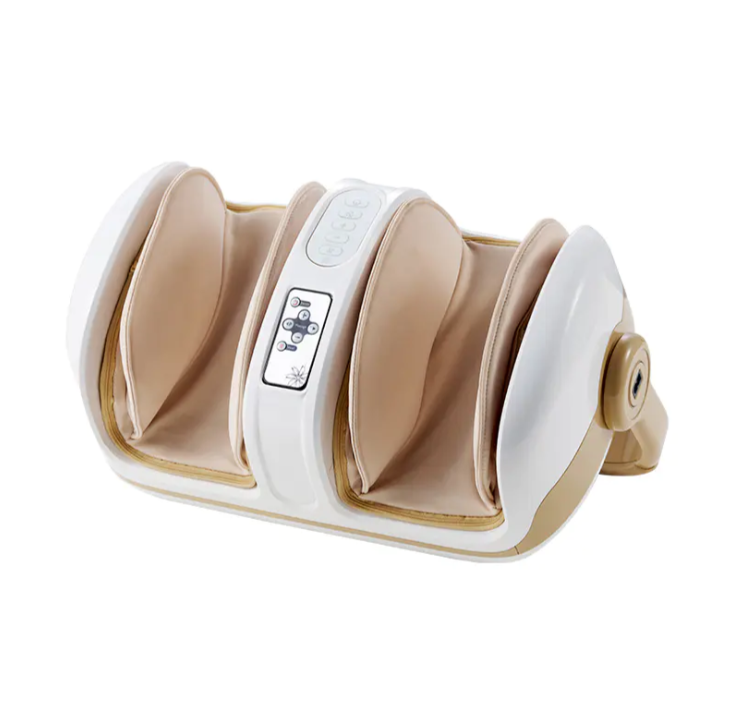
This is where a foot massager quietly fits in. It does not change routines. It simply adds a short recovery step that many people end up relying on once they experience it.
Different groups of people feel that benefit in different ways. Some use it after physical effort, others during quiet evenings, and some just as a habit when the feet feel heavy.
Why Do Different People Notice Foot Discomfort In Different Ways?
Foot discomfort does not look the same for everyone. It depends on daily movement, standing time, and how much pressure is placed on the lower body.
For some, it appears after long hours of standing. For others, it shows up after sitting too long without much movement. Even walking routines can create tiredness if repeated without enough rest.
A medical foot massager works by creating steady contact and movement on the feet. It gives a controlled rhythm that feels more organized than natural fatigue.
The effect is simple. The feet feel less tense after a short period of use, especially when the day has been physically or mentally tiring.
Can People Who Stand For Long Periods Benefit From It?
People who spend of their day standing often notice foot fatigue earlier than others. The pressure builds slowly, and by the end of the day, the feet may feel heavier than usual.
This group often includes work that requires staying on the feet for long periods without much sitting time.
A foot massager can help in a simple way:
- It reduces the feeling of heaviness after long standing
- It gives the feet a short recovery period
- It helps the transition from work mode to rest mode feel smoother
The experience is usually noticeable after work ends, when the body finally slows down.
Do Office Workers Also Benefit From Foot Massage Use?
At first, office work may not seem physically demanding. Most of the time is spent sitting. However, staying in one position for too long can also affect how the feet feel.
When movement is limited, the lower body does not get much variation in pressure. Over time, this can Find to stiffness or a slightly dull sensation in the feet.
A medical foot massager becomes useful in a different way here. It is not about recovery from physical effort, but about reactivating comfort after long inactivity.
Common patterns among office users include:
| Daily situation | Foot feeling |
|---|---|
| Long sitting periods | Reduced movement sensation |
| Limited walking during the day | Mild stiffness |
| End of day rest | Desire for release |
Even short sessions can feel refreshing after hours of sitting.
How Do Active People Experience Foot Recovery?
People with active routines often place more stress on their feet without noticing it immediately. Walking, exercise, or regular movement all add repeated pressure.
Unlike stationary users, this group tends to feel foot fatigue more clearly after activity ends.
A medical foot massager is often used here as part of a recovery habit. It is not about intensity, but about settling the feet after movement.
The feeling is usually more noticeable when the body is already tired. The steady rhythm of the device feels more balanced compared to natural fatigue.
It becomes part of a simple cycle: activity, rest, then recovery.
Can Elderly Users Find Comfort In A Foot Massager?
For older adults, daily movement often feels different compared to earlier years. Walking may take more effort, and the feet may feel more sensitive after activity.
In this case, a foot massager is usually used in a gentle and controlled way. The focus is not on strong pressure, but on steady comfort.
Many elderly users prefer:
- Simple operation without confusion
- Soft and predictable movement
- Short and calm sessions
- Stable structure during use
The experience is often quiet and steady, more like a resting moment than an active treatment.
What About People Who Spend Most Of Their Day Sitting?
Sitting for long periods does not always feel tiring at first. But over time, reduced movement can affect how the lower body feels.
The feet may feel less active, sometimes slightly stiff when standing up after long sitting sessions.
A foot massager can help bring back a sense of movement in a controlled way. It does not require physical effort from the user, which makes it suitable for relaxed use at home.
Typical usage patterns include evening relaxation or short breaks after work.
Even a short session can help the feet feel less rigid after a still day.
Why Do Features Matter For Different Users?
Not every user has the same expectation. Some want a light and calm experience, while others prefer a stronger sensation after activity.
Because of this, the design of the device matters more than it seems at first.
Key features that influence user experience include:
| Feature area | What it affects |
|---|---|
| Adjustable levels | Different comfort preferences |
| Simple controls | Easier daily use |
| Stable structure | Safer and steadier feeling |
| Consistent rhythm | Predictable experience |
A flexible design allows the same device to fit different routines without feeling limited.
Does Timing Change The Experience?
Timing plays a quiet but important role in how the device feels.
Using it after physical activity feels different from using it during rest. The body responds differently depending on how tired the feet are.
Evening use is common because the day is ending and the body naturally slows down. The environment is usually calmer, which makes the experience feel more noticeable.
Short daytime sessions also happen, especially during breaks. These feel lighter but still helpful in resetting comfort.
How Does Daily Routine Affect Long-Term Use?
Over time, a foot massager becomes part of a routine rather than a special device.
Some people use it regularly after work. Others use it only when the feet feel tired. The pattern depends on lifestyle, not the device itself.
What matters more is how naturally it fits into the day.
If it is easy to use, it tends to be used more often. If it feels complicated, it may be left aside even if the features are strong.
What Makes The Experience Feel Natural?
A natural experience does not depend on how many functions the device has. It depends on how smoothly it fits into real life.
When a device is easy to place, simple to operate, and comfortable without adjustment every time, it becomes part of normal routine use.
Over time, people often stop thinking about the device itself. They just use it when the feet feel tired.
That is usually when it becomes part of everyday comfort rather than a separate task.
- RF-688 Detachable Lightweight Leg & Foot Massager
- RF-597 Deep Kneading Shiatsu Foot Massager with Heat
- RF-671 Full Wrapped Heat Shiatsu Foot Massager
- RF-697 Shiatsu Foot Massager with Heat and Deep Kneading
- RF-7900 Electric Air Pressure Foot and Calf Massager Machine
- RF-650 Electric Shiatsu Heating Foot Massager Machine
- RF-8200 Electric Leg and Foot Massager Machine
- RF-8700 Foot and Calf Massager For Relaxation And Stress Relief
Copyright © Zhejiang Rifeng Electrical Appliance Co., Ltd.
Foot Massager Factory
