
 English
 日本語
日本語 한국어
한국어 Deutsch
 中文简体
中文简体Can Vibration Change the Feel of a Foot Spa Massage
Foot spa products have moved beyond simple warm-water soaking. Modern designs may combine heat, bubbles, massage rollers, and vibration within the same basin. This combination creates a different sensory experience, especially for users comparing a standard foot bath with a Vibrator Foot Spa Massager. Vibration does not simply add another operating mode. It changes how movement travels through the water, basin, and feet.
What Does Vibration Actually Add?
Vibration usually comes from a compact motor positioned beneath or around the foot basin. Rather than applying pressure at a specific point, the motor creates repeated movement through the structure. This sensation can feel broader and softer than rotating massage rollers.
- Wider contact: Vibrations can be felt across different areas of the foot instead of concentrating pressure on the arch or heel.
- Gentler movement: Users who dislike firm mechanical kneading may find vibration more comfortable.
- Water interaction: Warm water and vibration work together to create movement around the toes, soles, and sides of the feet.
Conair describes vibration as a feature that allows movement through the water around the feet, while current foot spa products commonly combine vibration with bubbles and heat.
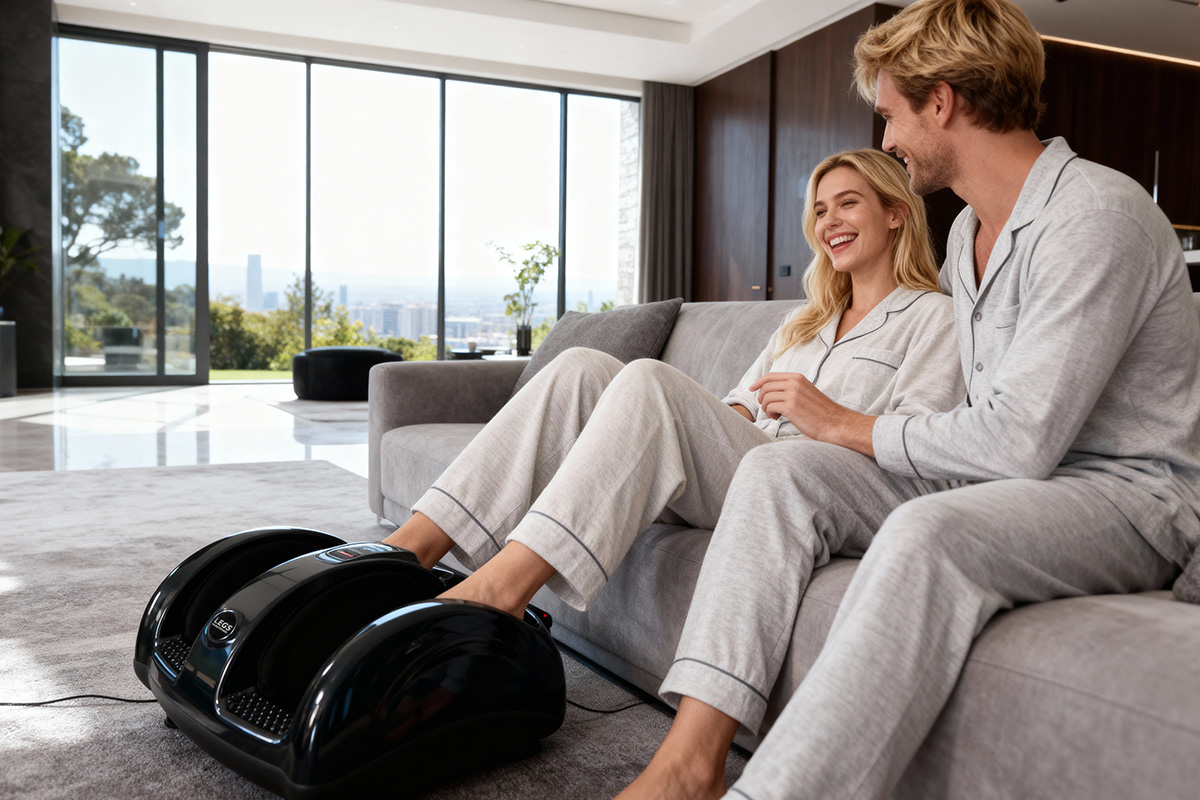
Vibration vs. Massage Rollers
The two functions may appear similar on a product specification sheet, yet their physical sensations are quite different. Rollers create localized mechanical contact, while vibration produces a broader oscillating sensation.
- Vibration: Broad, repetitive movement with less concentrated pressure.
- Manual rollers: Pressure depends on how the user moves the feet across textured rollers.
- Motorized rollers: Rotating components provide more direct mechanical contact with the soles.
Some foot spa models use 8, 12, 14, 16, or even more rollers alongside vibration, giving users several ways to create different sensations during the same session.
Does Water Temperature Change the Vibration Experience?
Heat can significantly influence how vibration feels. Warm water creates a softer soaking environment, while vibration adds movement around the feet. Many current products offer adjustable temperature ranges around 95°F to 118°F (35°C to 48°C), allowing users to combine warmth with vibration according to personal preference.
Temperature control also matters from a product-design perspective. Some foot spas simply warm water, while more advanced models maintain the chosen temperature during operation. This distinction becomes noticeable during longer sessions because water temperature can otherwise gradually fall.
Can Bubbles Make Vibration Feel Different?
Bubble jets introduce another layer of movement. Air bubbles rise through the water and create a light tapping sensation around the feet. Vibration moves the basin itself, while bubbles move the surrounding water.
- Bubble mode: Creates active water movement around the feet.
- Vibration mode: Produces continuous mechanical oscillation.
- Combined operation: Adds two different types of movement during the same soak.
Current models may feature dual bubble outlets, adjustable vibration, temperature displays, and detachable rollers within a single unit. Such combinations show how vibration has become part of a broader multi-function foot spa design rather than a standalone feature.
Which Product Details Matter Beyond Vibration?
Vibration strength is only part of the overall experience. Buyers comparing a Vibrator Foot Spa Massager can also examine several practical specifications:
- Temperature range: Adjustable heat around 95°F–118°F is common among multifunctional models.
- Roller configuration: Detachable or motorized rollers change the level and location of sole contact.
- Control interface: Digital displays can make temperature and operating-mode adjustments easier.
- Session timer: Some electrically powered units offer timed operation, with examples ranging from roughly 10 to 60 minutes.
- Noise level: Motor vibration and bubble pumps can produce noticeable sound, so acoustic design can affect the overall experience.
Product reviews also show that vibration intensity and operating noise can influence user satisfaction, making these details worth considering alongside heating and massage functions.
Is Vibration Worth Adding to a Foot Spa?
Vibration can change the character of a foot spa massage by introducing continuous movement without relying entirely on mechanical rollers. Warm water, bubbles, rollers, and vibration each create a different sensation. Combining these functions gives users more ways to customize the experience.
That makes the Vibrator Foot Spa Massager an interesting product category for people who prefer a broader, water-based massage sensation rather than concentrated roller pressure. Product design details such as adjustable heat, vibration control, roller placement, bubble outlets, basin size, and operating noise ultimately determine how that feature feels during everyday use.
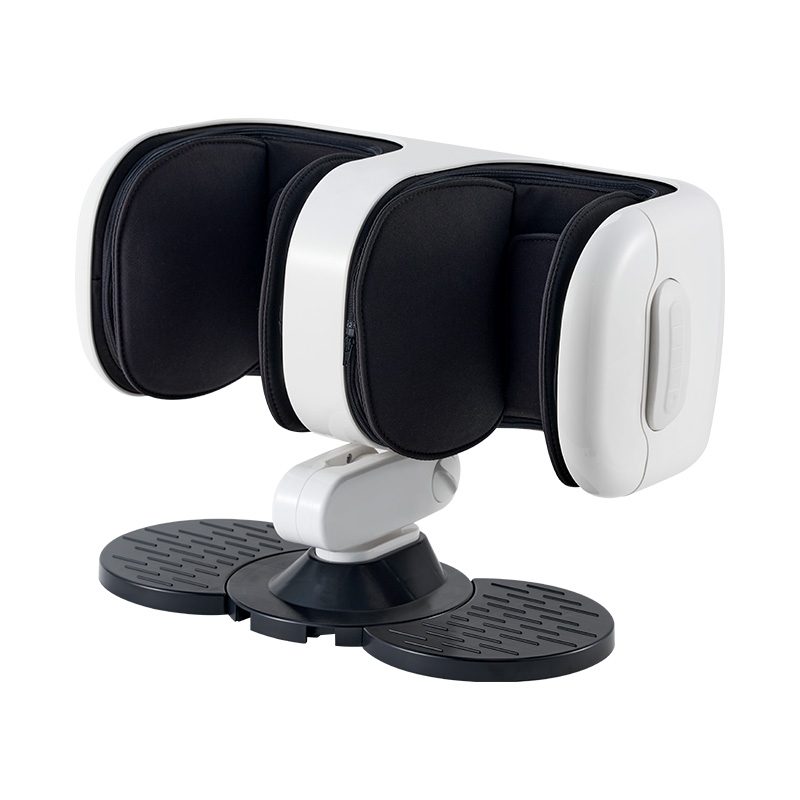
- RF-688 Detachable Lightweight Leg & Foot Massager
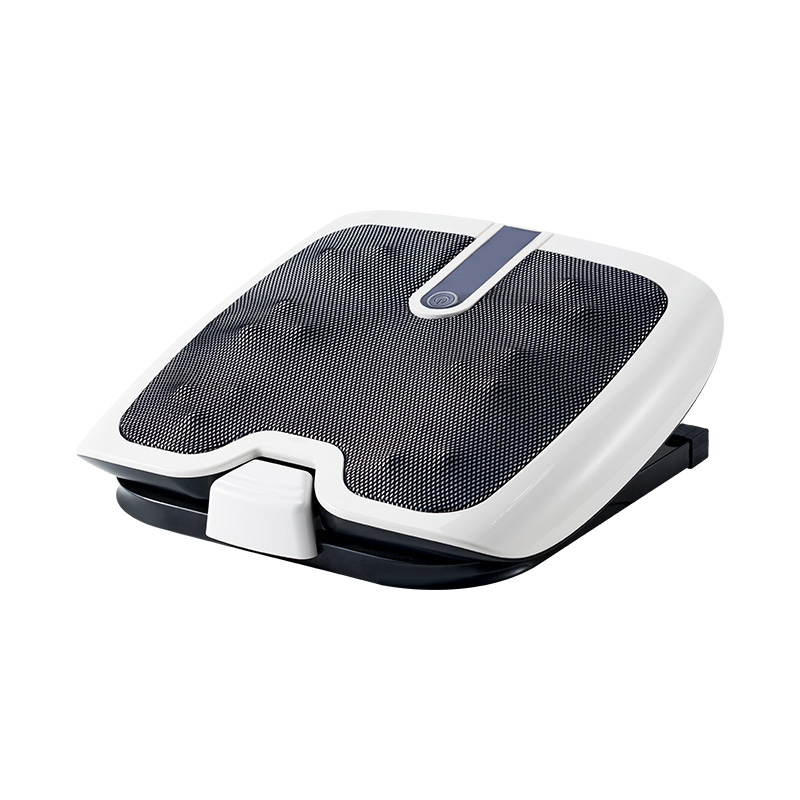
- RF-597 Deep Kneading Shiatsu Foot Massager with Heat
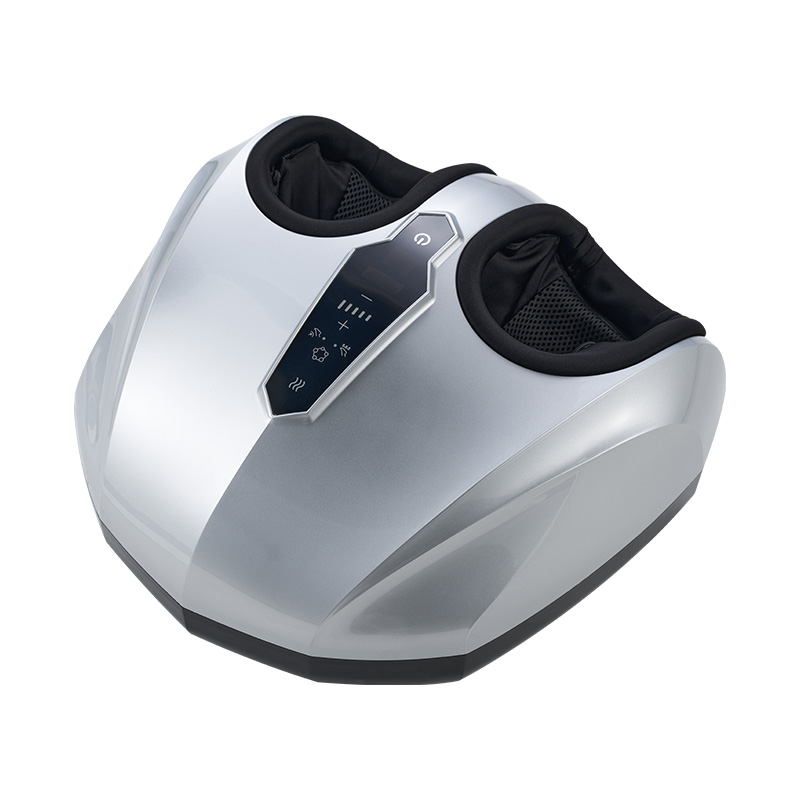
- RF-671 Full Wrapped Heat Shiatsu Foot Massager
- RF-697 Shiatsu Foot Massager with Heat and Deep Kneading
- RF-7900 Electric Air Pressure Foot and Calf Massager Machine
- RF-650 Electric Shiatsu Heating Foot Massager Machine
- RF-8200 Electric Leg and Foot Massager Machine
- RF-8700 Foot and Calf Massager For Relaxation And Stress Relief
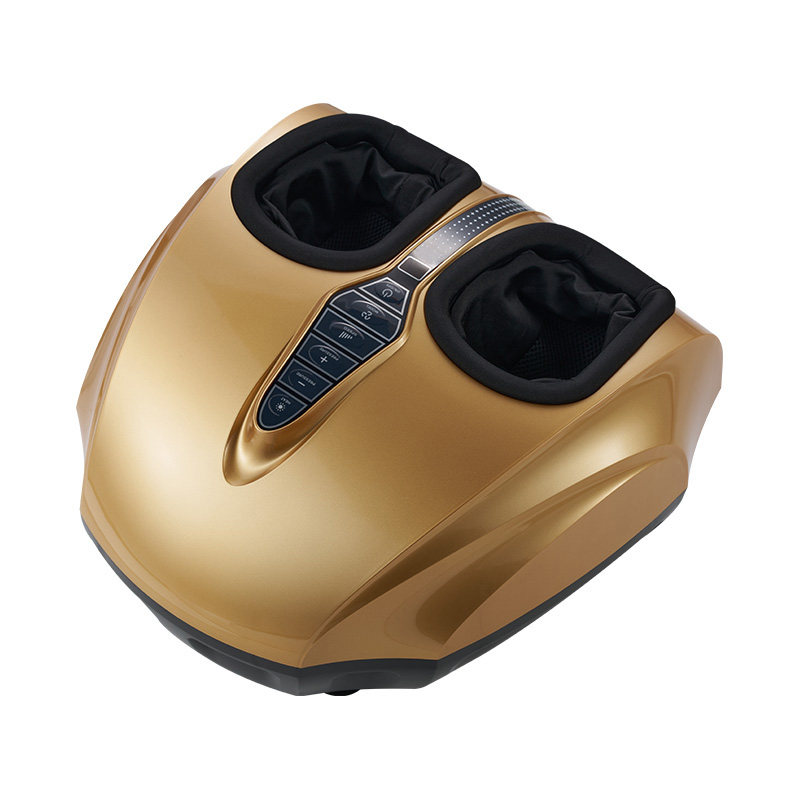
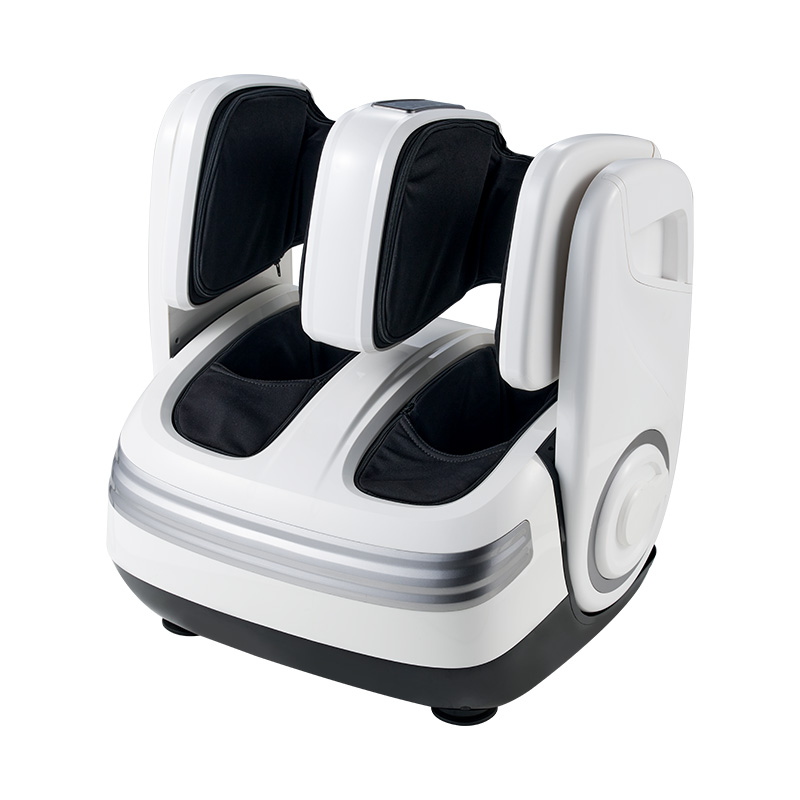
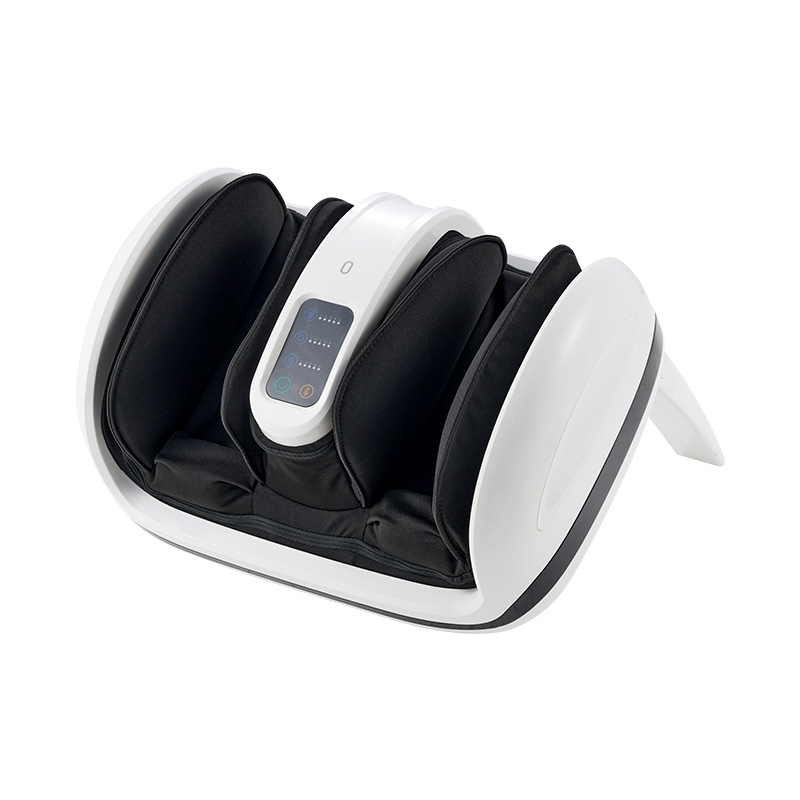
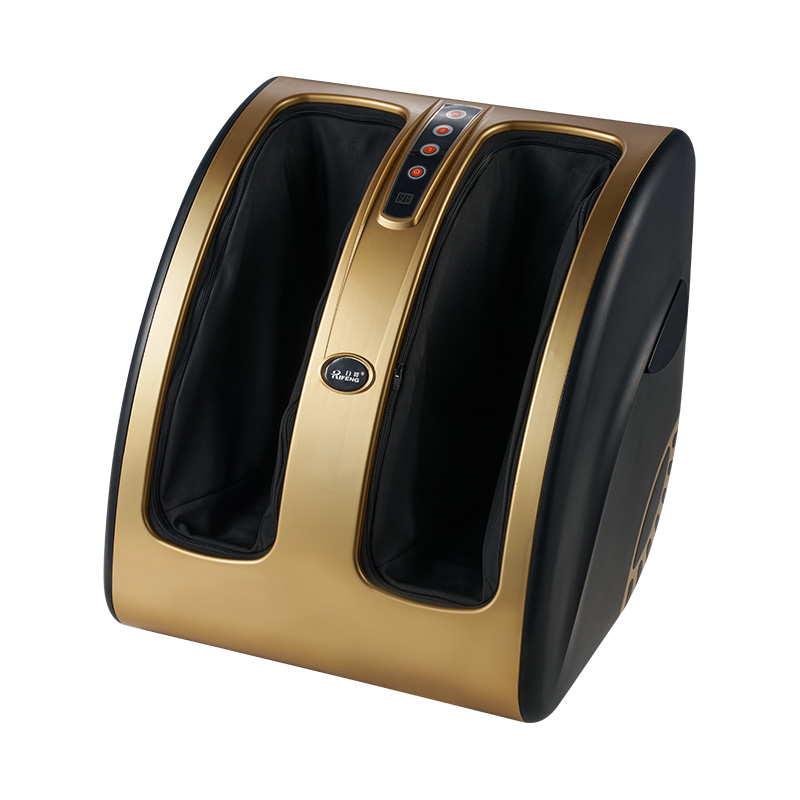
Copyright © Zhejiang Rifeng Electrical Appliance Co., Ltd.
Foot Massager Factory
