
 English
 日本語
日本語 한국어
한국어 Deutsch
 中文简体
中文简体Do Multifunctional Foot Massagers Really Help with Daily Foot Pain Relief and Plantar Fasciitis Discomfort?
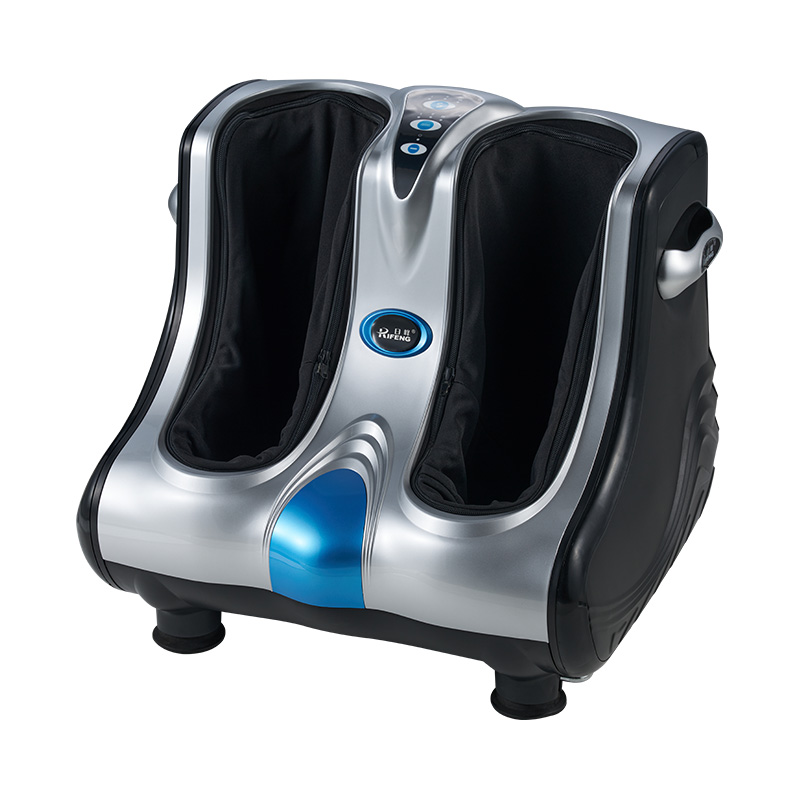
Foot pain caused by long standing hours, tight calf muscles, or plantar fascia strain has become a frequent concern among office workers, retail staff, and athletes. Devices such as Multifunctional Foot Massager For Pain Relief are widely marketed as at-home recovery tools, combining kneading, compression, heat, and vibration. The real question remains whether these systems deliver meaningful comfort or only temporary relaxation.
Clinical discussions and user experiences show a mixed but informative picture: mechanical stimulation can reduce tension, improve circulation, and ease discomfort signals, yet the underlying biomechanical stress of plantar fasciitis still requires supportive habits like stretching and footwear correction. This creates a balanced expectation rather than a “quick fix” mindset.
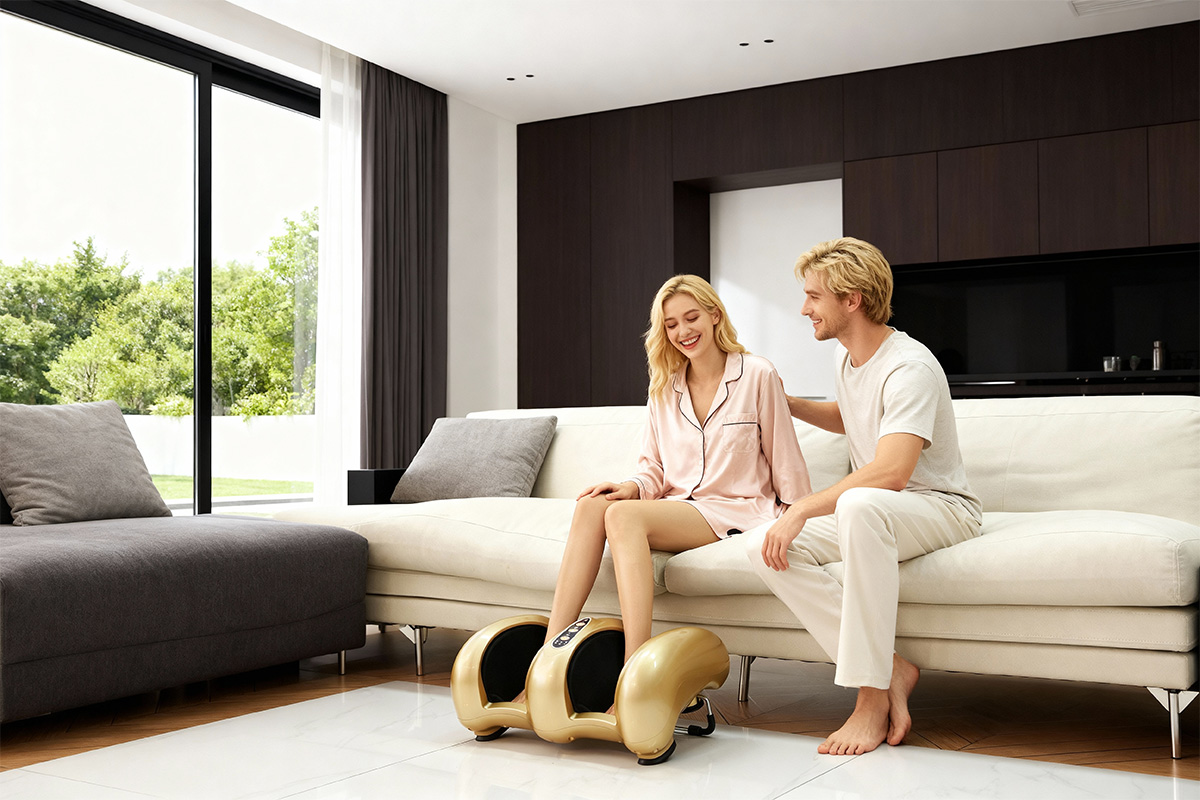
Mechanical Action Behind Pain Reduction
Foot massagers typically rely on multiple therapeutic mechanisms working together. Each method targets different layers of tissue response.
- Kneading rollers simulate shiatsu-style pressure that targets plantar fascia tightness and arch stiffness.
- Air compression chambers gently squeeze the foot and calf to encourage venous return and reduce swelling.
- Heat therapy (around 104°F–122°F / 40°C–50°C) increases tissue elasticity and enhances blood flow.
- Vibration systems (20–50 Hz range in many devices) stimulate superficial nerves and help reduce perceived pain intensity.
Research indicates that these combined effects improve circulation and temporarily reduce fascial tension, which is especially relevant for plantar fasciitis discomfort around the heel and arch area.
Plantar Fasciitis and Why Massage Feels Helpful
Plantar fasciitis is often linked to repetitive stress on the plantar fascia, a thick connective band supporting the foot arch. Tight calf muscles and Achilles tendon stiffness increase tension along this chain, which amplifies heel pain during morning steps or after rest periods.
Foot massage devices indirectly help by influencing this chain reaction:
- Relaxation of calf muscles reduces downward pull on the heel bone.
- Improved microcirculation supports tissue recovery in low-blood-flow regions.
- Neurological stimulation lowers pain perception temporarily.
Medical analysis suggests these benefits are supportive rather than corrective. The fascia is not “fixed” by massage alone, yet regular use can improve daily comfort levels and walking tolerance.
Daily Pain Relief vs Long-Term Recovery
A key distinction exists between immediate relief and structural improvement. Devices like Multifunctional Foot Massager For Pain Relief often perform well in short-term symptom control, especially after extended standing or exercise.
- Short-term effect: reduced stiffness, warmth in the arch, and relaxation of tight tissues within 10–20 minutes.
- Mid-term effect: improved mobility of foot muscles and decreased morning tightness after consistent use.
- Long-term limitation: mechanical overload from walking patterns or footwear issues remains unchanged without additional care.
This explains why many users report strong immediate comfort but only partial improvement in chronic plantar fasciitis cases.
Electric Shiatsu and Full-Wrapped Heat Systems
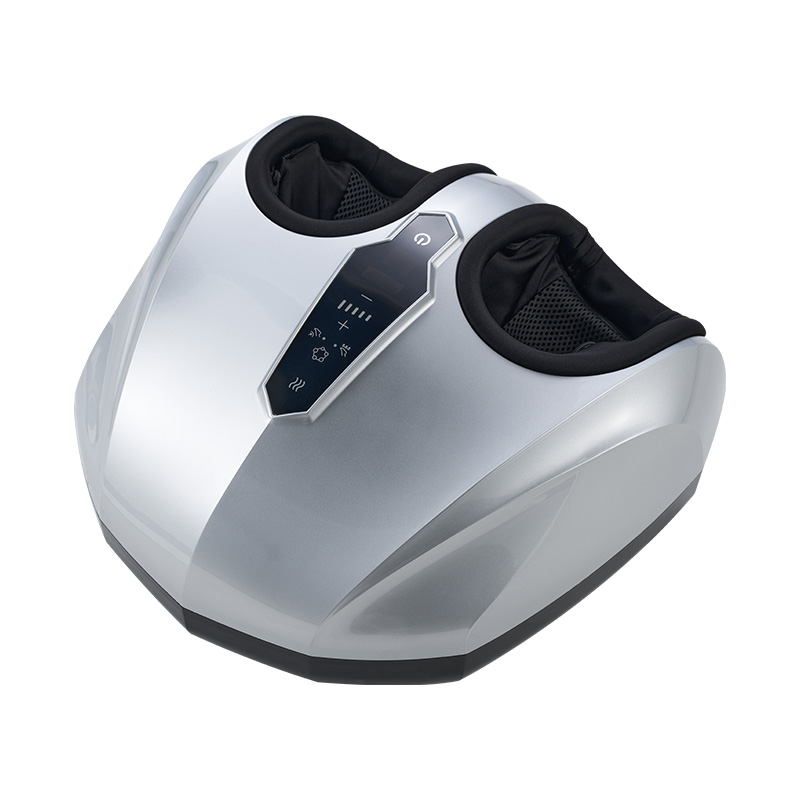
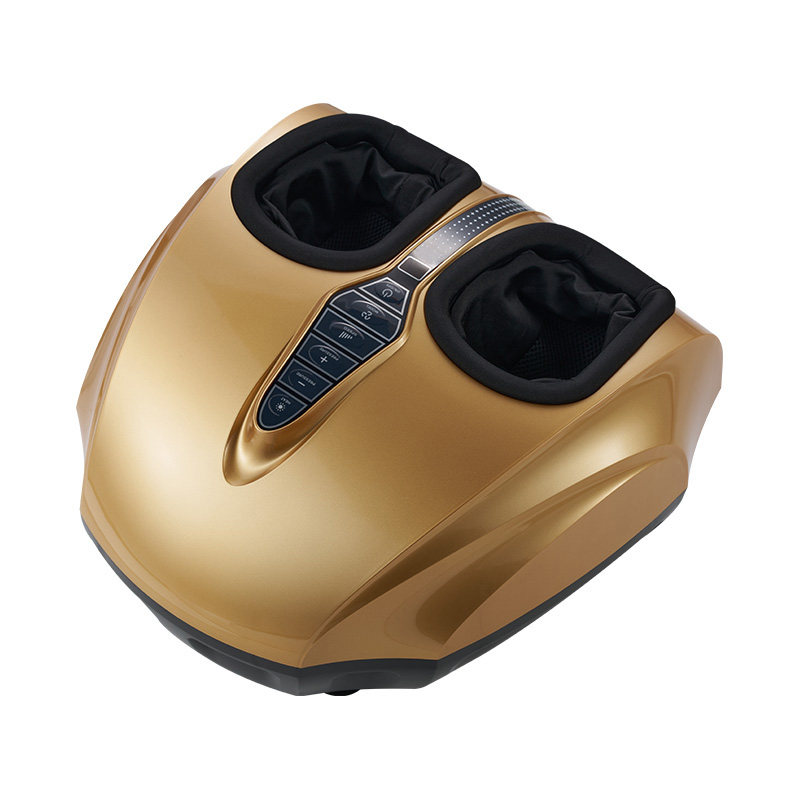
Modern shiatsu-style units with full-wrapped chambers have become popular because they mimic human hand pressure more closely. These systems often include dual rotating heads and multi-zone air cushions that cover both forefoot and heel.
Typical technical characteristics include:
- Timer settings around 10–30 minutes per session
- Adjustable intensity levels (low, medium, high pressure modes)
- Heat output designed to stabilize around safe therapeutic ranges
- Dual-motor systems for synchronized arch and heel stimulation
These features improve user consistency, which plays a major role in perceived effectiveness. More consistent use generally correlates with better symptom control.
Electric Air Pressure and Calf Integration
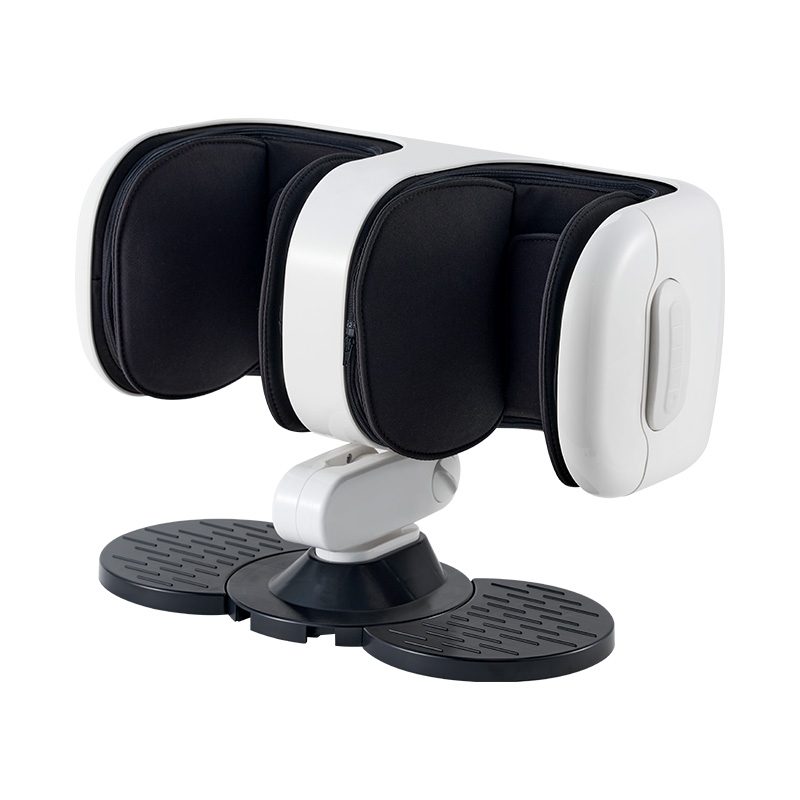
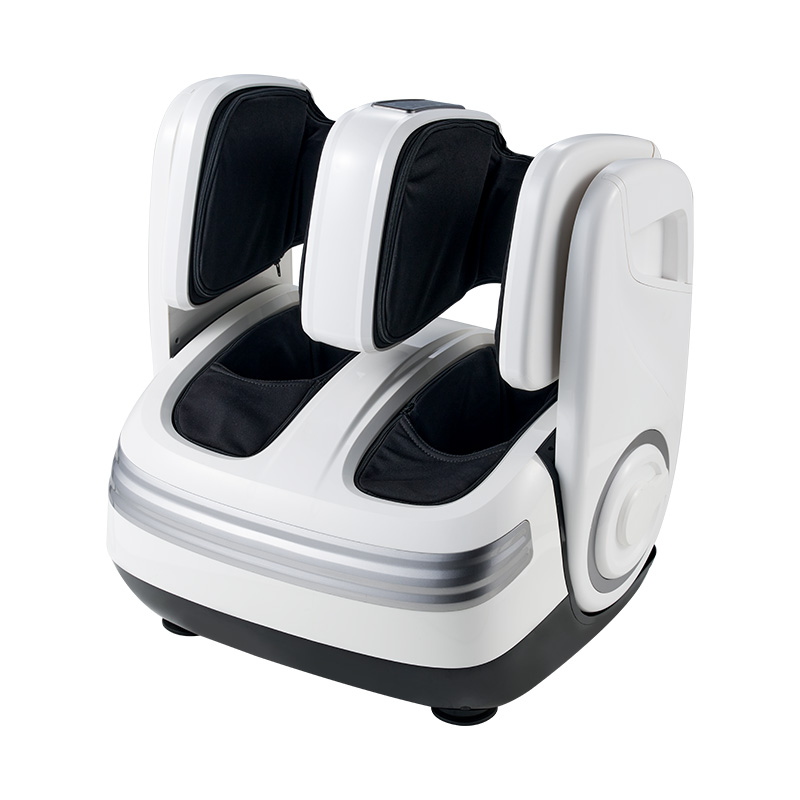
Air pressure models extend treatment beyond the foot by including calf compression sleeves. This design is particularly relevant because calf tightness is strongly associated with plantar fascia overload.
- Sequential compression cycles simulate a pumping motion that supports circulation.
- Calf engagement helps reduce Achilles tension that contributes to heel pain.
- Recovery-focused design supports post-work fatigue reduction after long standing shifts.
This category is often favored by users who experience both foot fatigue and lower leg heaviness simultaneously.
Vibration-Based Systems and Sensory Relief
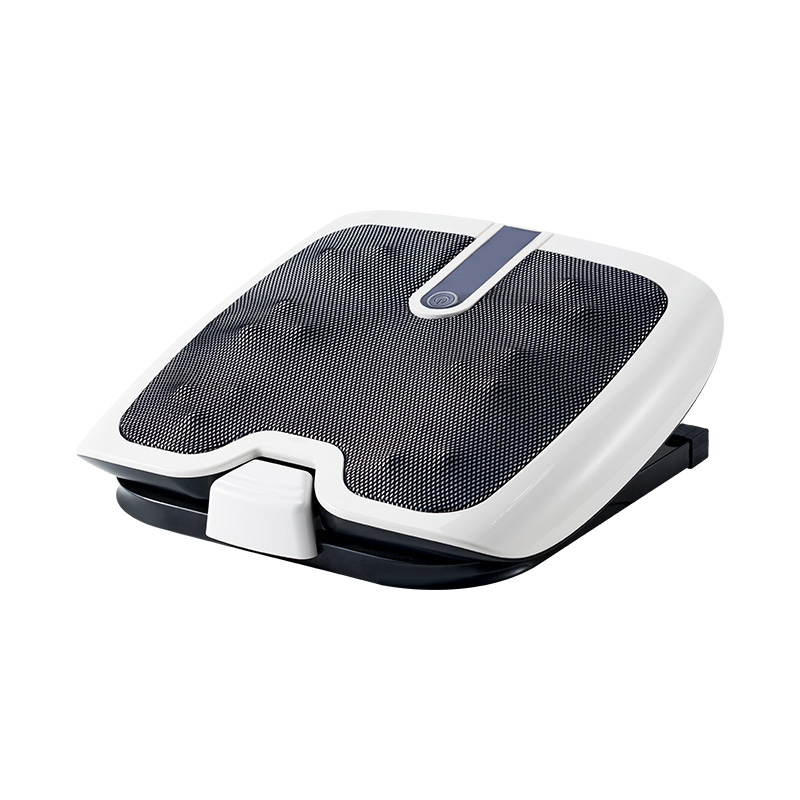
Vibrating foot massagers operate differently from shiatsu rollers. Instead of deep mechanical kneading, they deliver rapid oscillations to stimulate nerve endings and superficial tissues.
- Provides fast sensory relief after long activity periods
- Less aggressive on sensitive feet compared with deep kneading
- Useful for users who prefer lighter stimulation intensity
However, vibration alone may not reach deeper fascia layers effectively, so results vary depending on severity of discomfort.
Comfort vs Overuse Consideration
One important insight from user feedback and clinical discussion is intensity control. Excessive pressure on inflamed plantar fascia can increase irritation instead of improving comfort.
Balanced usage typically involves:
- Sessions around 10–15 minutes per foot
- Moderate pressure instead of optimal intensity
- Alternating between massage and stretching routines
This approach helps avoid overstimulation while still gaining relaxation benefits.
Practical Expectation Setting
Foot massagers should be viewed as supportive wellness tools rather than standalone corrective devices. They improve comfort, reduce fatigue, and assist circulation, but they do not replace biomechanical correction methods such as orthotic support or calf stretching routines.
Users with plantar fasciitis often experience the ideal outcomes through combined strategies rather than relying on a single device.
Overall, a well-designed Multifunctional Foot Massager For Pain Relief can play a meaningful role in daily comfort management, especially for individuals with repetitive standing workloads or mild to moderate heel discomfort patterns.
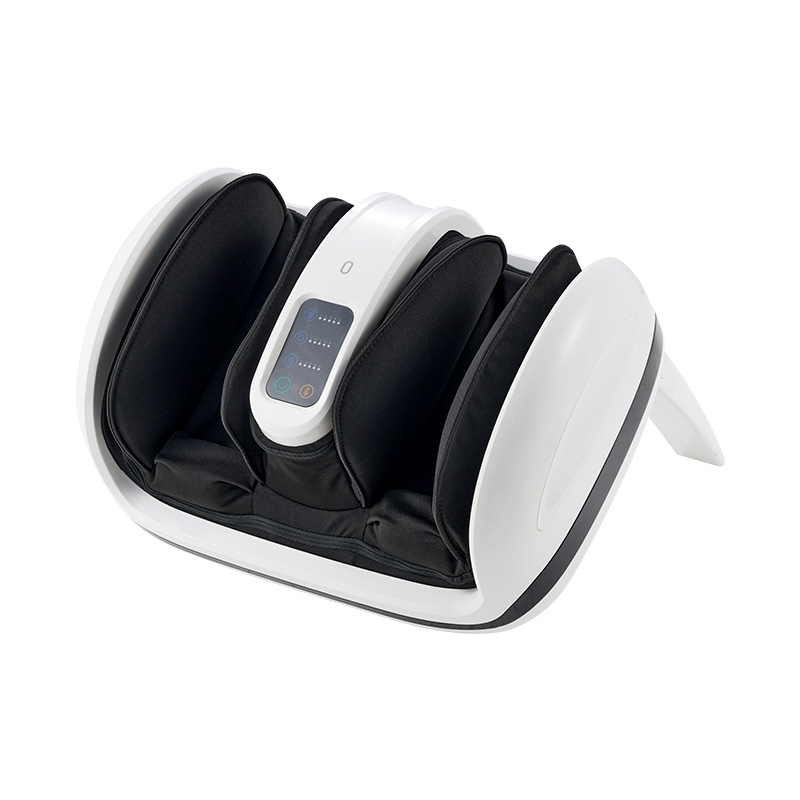
- RF-688 Detachable Lightweight Leg & Foot Massager
- RF-597 Deep Kneading Shiatsu Foot Massager with Heat
- RF-671 Full Wrapped Heat Shiatsu Foot Massager
- RF-697 Shiatsu Foot Massager with Heat and Deep Kneading
- RF-7900 Electric Air Pressure Foot and Calf Massager Machine
- RF-650 Electric Shiatsu Heating Foot Massager Machine
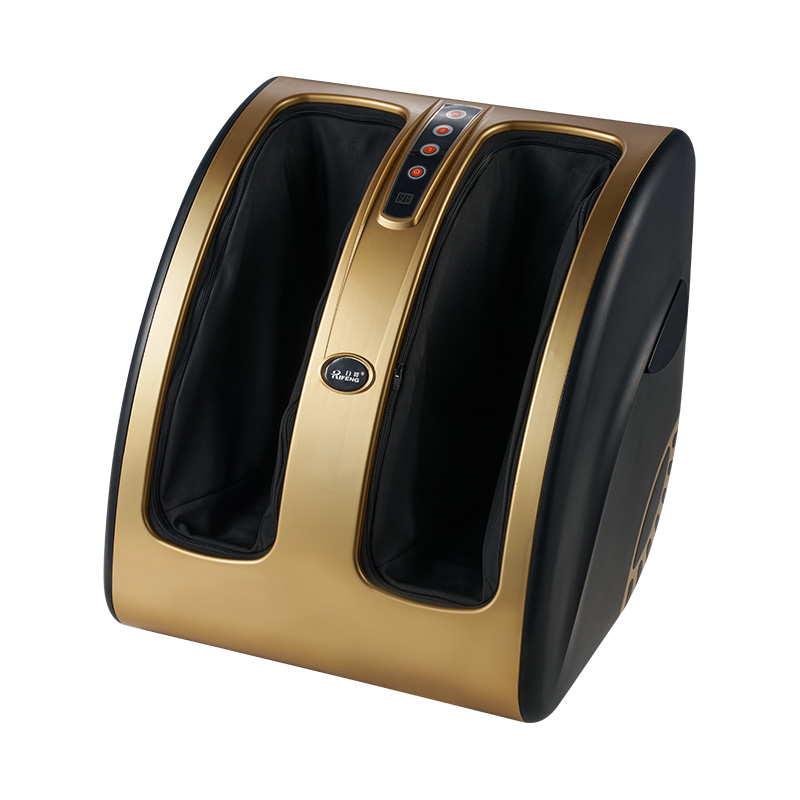
- RF-8200 Electric Leg and Foot Massager Machine
- RF-8700 Foot and Calf Massager For Relaxation And Stress Relief
Copyright © Zhejiang Rifeng Electrical Appliance Co., Ltd.
Foot Massager Factory
