
 English
 日本語
日本語 한국어
한국어 Deutsch
 中文简体
中文简体Is Full-Wrapped Heat Shiatsu Massage Safe for Sensitive Feet, Neuropathy, and Overheating Concerns
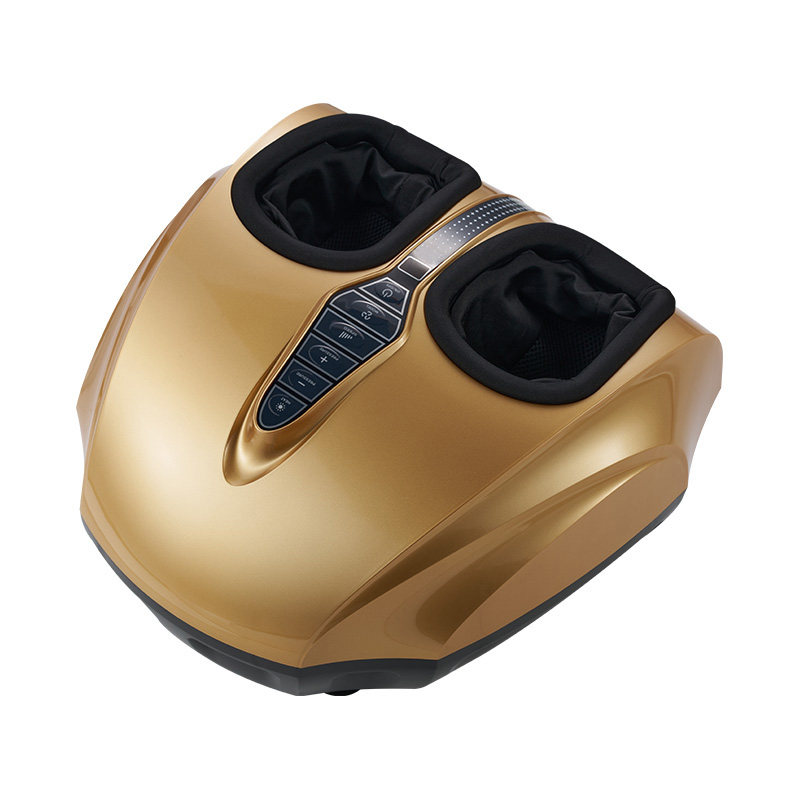
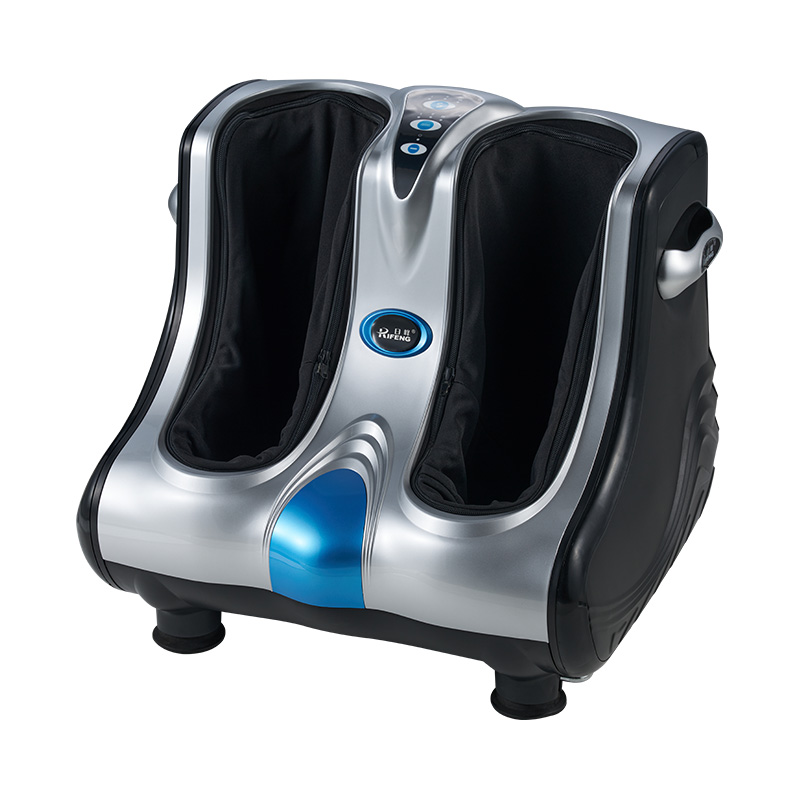
Foot recovery devices combining enclosure design, thermal therapy, and shiatsu-style kneading have gained strong attention among users dealing with chronic soreness and nerve-related discomfort. A Full Wrapped Heat Shiatsu Foot Massager integrates compression chambers, rotating nodes, and heating layers inside a closed chamber structure, creating an intensive stimulation environment for both feet.
Safety questions arise mainly from three areas: reduced sensation in sensitive feet, neuropathy-related nerve damage, and temperature control stability inside enclosed systems. Each factor changes how the body responds to pressure and heat signals.
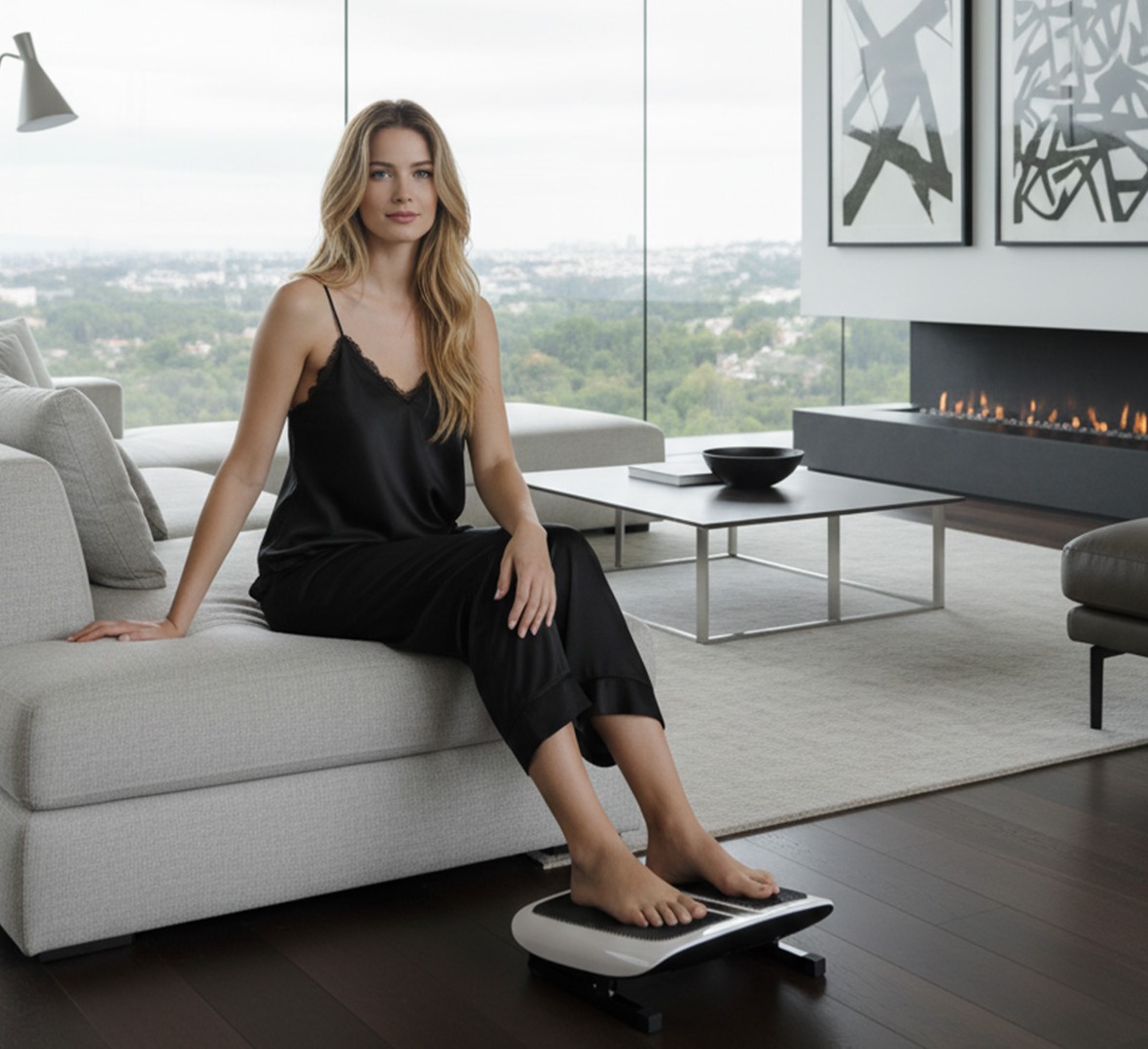
Closed-Chamber Design and Sensory Risk Awareness
Fully wrapped systems enclose the entire foot, which improves pressure distribution but reduces direct environmental feedback. That design increases comfort for many users, yet introduces caution for those with reduced sensitivity.
- Reduced sensory response may delay awareness of excessive heat or pressure.
- Continuous contact coverage increases stimulation consistency across heel, arch, and toes.
- Internal heat retention may elevate skin temperature gradually during extended use.
Clinical discussions around neuropathy highlight that diminished sensation can reduce natural protective reactions, making controlled intensity essential in enclosed devices.
Neuropathy and Shiatsu Pressure Interaction
Nerve-related foot conditions often involve tingling, burning sensations, or numb zones. Shiatsu mechanisms use rotating heads that simulate manual pressure along muscle and fascia lines.
Device interaction with neuropathic feet depends on intensity control and pressure mapping:
- Low-pressure kneading supports circulation stimulation without excessive nerve activation.
- Moderate pressure can trigger discomfort in hypersensitive areas due to uneven nerve response.
- Deep mechanical force may intensify irritation in inflamed fascia regions.
Research summaries on foot stimulation suggest that controlled mechanical movement can support circulation and symptom relief, yet aggressive localized pressure is unsuitable for users with impaired nerve feedback.
Heat Function and Overheating Concerns
Heat therapy is commonly integrated into shiatsu systems to improve tissue flexibility and circulation. Full-wrapped designs trap warmth inside a closed chamber, which can amplify thermal effects over time.
- Typical heat range in consumer units often stays around 40°C–50°C (104°F–122°F).
- Auto shut-off systems around 15–30 minutes are common safety features.
- Motor heat accumulation may increase internal temperature during high-pressure modes.
Product safety manuals frequently emphasize time limits because continuous operation can raise internal motor temperature, triggering automatic protection shutdown mechanisms.
Heat Sensitivity in Neuropathy Cases
Heat perception becomes unreliable in neuropathy conditions, which increases the importance of regulated temperature systems. Users may not accurately detect overheating, especially in localized foot zones.
Medical guidance highlights that reduced sensation increases burn risk, making adjustable temperature control and conservative heat settings essential for safer use.
- Stable low-to-medium heat settings reduce thermal overload risk.
- Short sessions help prevent gradual temperature accumulation.
- External skin checks after use add an extra safety layer.
Air Compression and Pressure Balance Inside Wrapped Systems
Many full-wrapped devices integrate air compression sleeves alongside shiatsu rollers. This dual-action approach balances pressure distribution across the foot and ankle.
- Sequential air chambers help mimic circulatory pumping patterns.
- Gentle squeezing reduces swelling in lower extremities.
- Combined pressure and heat improve perceived relaxation effects.
However, excessive compression intensity may create discomfort in users with nerve hypersensitivity, requiring gradual adjustment rather than immediate high-level use.
Overheating Mechanisms and Built-In Protection
Modern foot massagers are designed with internal safety circuits that reduce operational risks during extended sessions. These protections play a central role in fully wrapped systems where heat and motors operate in confined space.
- Thermal cutoff sensors disable heating beyond safe thresholds.
- Timed sessions limit continuous motor strain.
- Pressure detection systems adjust intensity under excessive load.
These engineering controls are intended to prevent prolonged heat buildup and mechanical strain inside the enclosed chamber.
Use Suitability for Sensitive Feet Profiles
Suitability depends on sensitivity level, circulation condition, and nerve health status. Full-wrapped shiatsu systems are often experienced differently across user groups.
- Mild sensitivity cases often tolerate low heat and low pressure well.
- Moderate neuropathy conditions require cautious intensity adjustment and shorter sessions.
- Severe nerve impairment needs professional evaluation before regular use.
Observations from user experiences indicate that comfort improves significantly when heat, compression, and kneading settings are adjusted independently rather than used at fixed intensity levels.
Practical Safety Perspective
Full-wrapped heat shiatsu systems provide a combined stimulation environment that can enhance relaxation and circulation support. However, safety depends heavily on user awareness, device regulation features, and appropriate intensity control.
A Full Wrapped Heat Shiatsu Foot Massager can be suitable for general relaxation routines, yet sensitive feet and neuropathy conditions require conservative usage patterns, controlled heat exposure, and consistent monitoring of skin response.
Balanced operation habits often determine whether the experience remains soothing or becomes uncomfortable under enclosed thermal conditions.
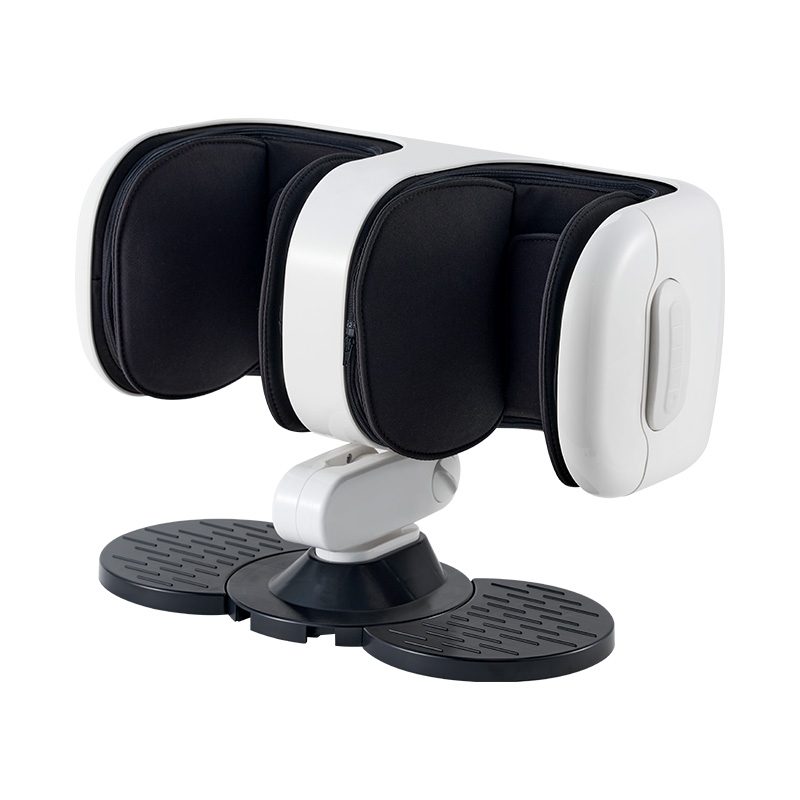
- RF-688 Detachable Lightweight Leg & Foot Massager
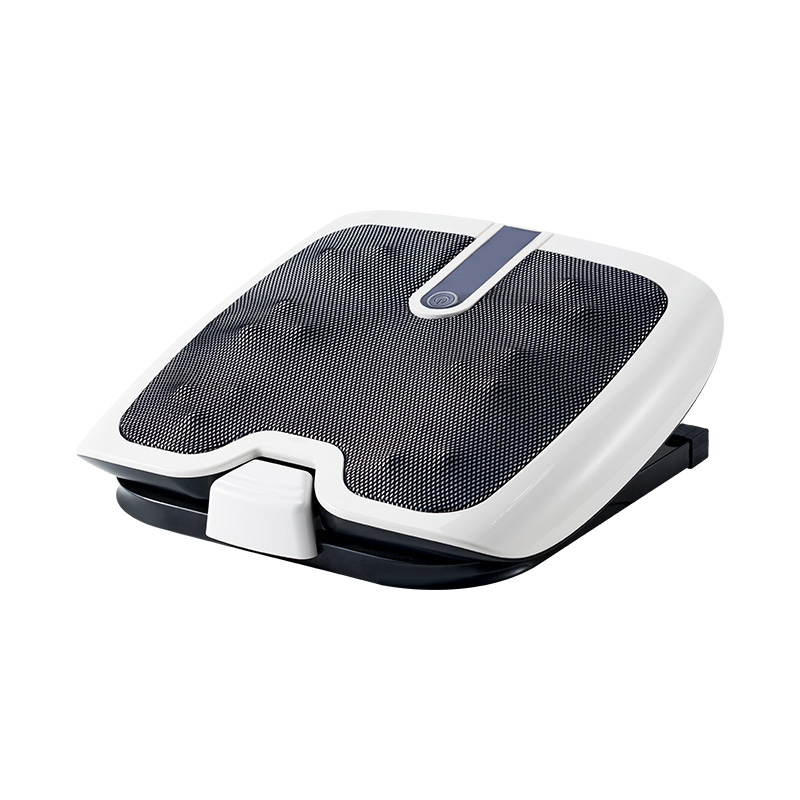
- RF-597 Deep Kneading Shiatsu Foot Massager with Heat
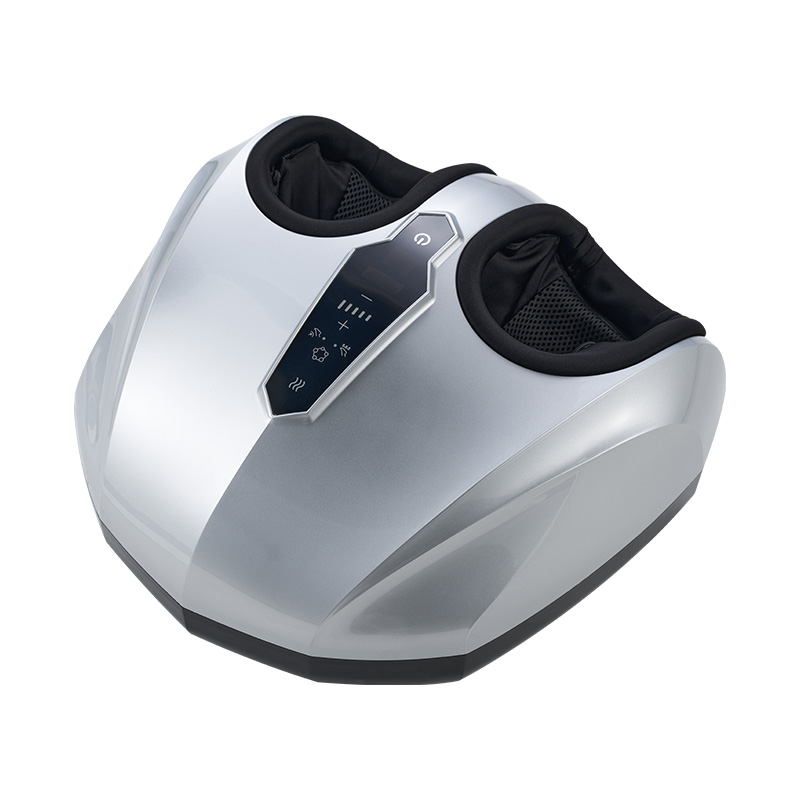
- RF-671 Full Wrapped Heat Shiatsu Foot Massager
- RF-697 Shiatsu Foot Massager with Heat and Deep Kneading
- RF-7900 Electric Air Pressure Foot and Calf Massager Machine
- RF-650 Electric Shiatsu Heating Foot Massager Machine
- RF-8200 Electric Leg and Foot Massager Machine
- RF-8700 Foot and Calf Massager For Relaxation And Stress Relief
Copyright © Zhejiang Rifeng Electrical Appliance Co., Ltd.
Foot Massager Factory
