
 English
 日本語
日本語 한국어
한국어 Deutsch
 中文简体
中文简体How Strong Should Electric Air Pressure Foot and Calf Massagers Feel for Noticeable Recovery Results
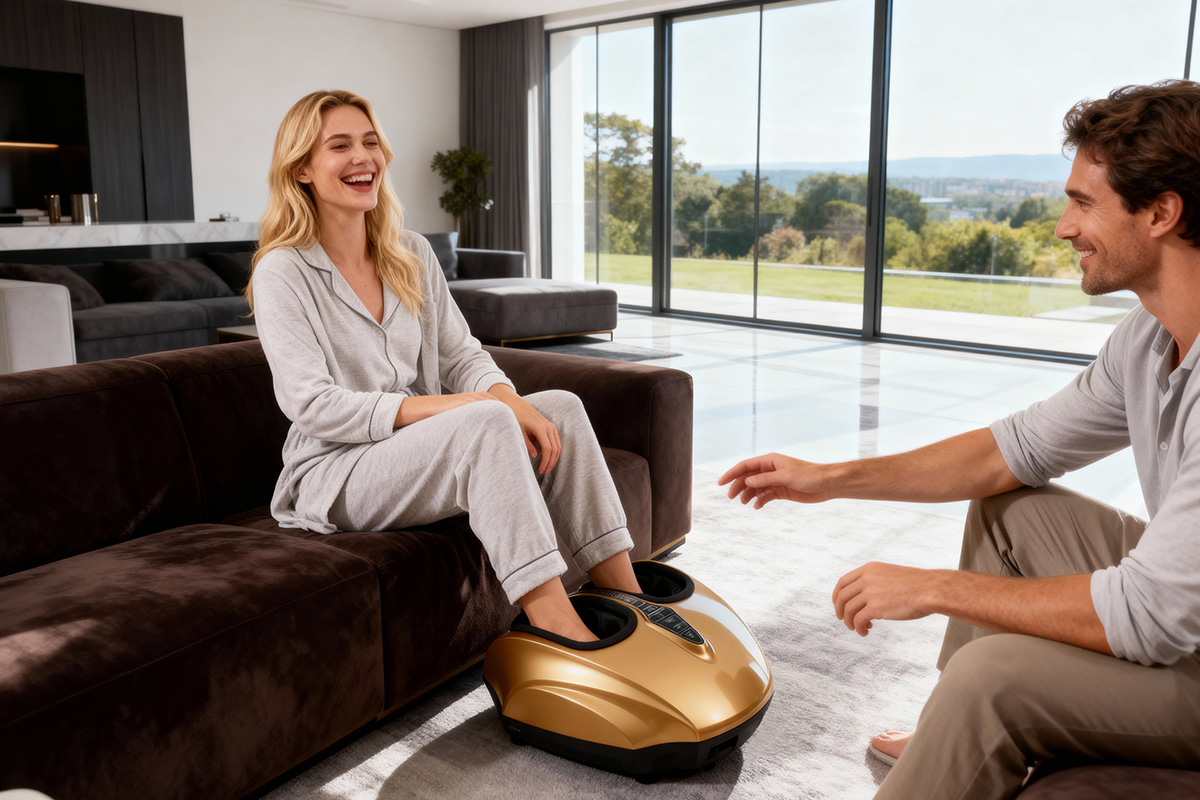
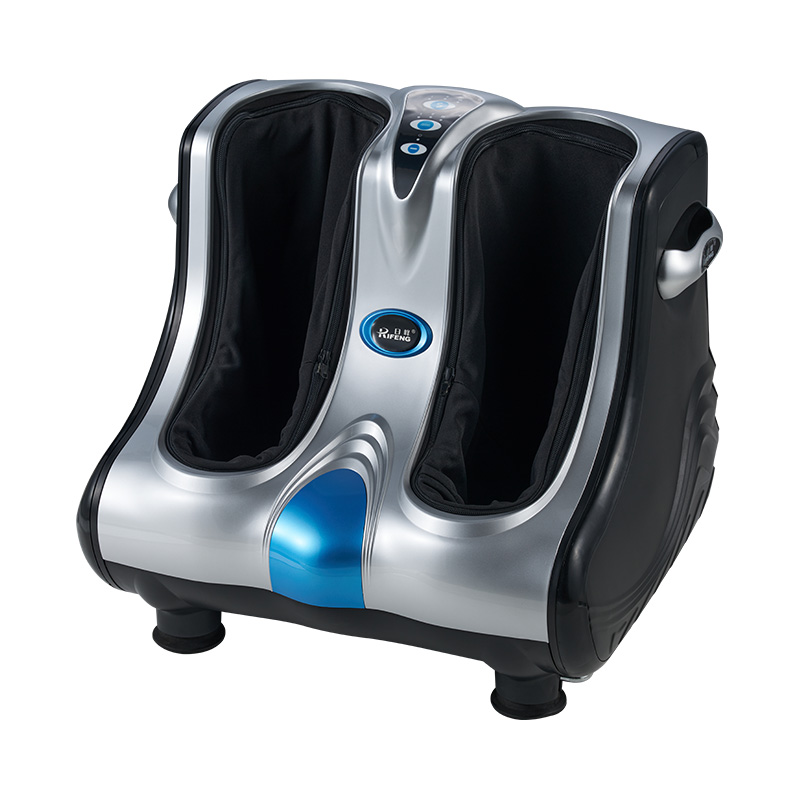
Air compression recovery devices are widely used by office workers, athletes, and people experiencing lower limb fatigue. A typical Electric Air Pressure Foot and Calf Massager works by inflating internal air chambers in cycles, producing a squeeze-and-release motion that supports circulation and muscle relaxation.
A common misunderstanding centers on intensity: stronger pressure does not always translate into better recovery. The sensation should feel firm, rhythmic, and progressively adaptive rather than painful or overly tight.
Understanding Compression Strength in Practical Terms
Air pressure systems are often measured in mmHg (millimeters of mercury). Different intensity ranges create noticeably different physical responses in the legs.
- Low range (30–60 mmHg) delivers gentle squeezing suitable for daily relaxation and circulation maintenance.
- Medium range (60–100 mmHg) creates noticeable pressure waves that stimulate venous return and reduce heaviness after long standing.
- High range (100–150+ mmHg) produces deep compression often used for post-exercise recovery or strong muscle fatigue conditions.
Industry comparisons show that many mid-tier systems concentrate their effective recovery zone around 60–100 mmHg, where comfort and circulatory stimulation align without excessive strain.
What a “Right Strength” Sensation Feels Like
The correct compression intensity is not defined by absolute tightness, but by how the leg responds during the cycle. Proper stimulation usually includes alternating pressure waves moving upward from the foot to the calf.
- Rhythmic squeeze feels similar to a firm but controlled hand massage.
- Warm circulation buildup appears gradually after a few minutes of use.
- Release phases provide a noticeable pressure drop that prevents muscle overstimulation.
Research-based compression guidelines suggest that recovery benefits peak when pressure remains within a tolerable comfort zone rather than pushing into discomfort levels that restrict blood flow instead of enhancing it.
Chamber Design and Its Impact on Strength Perception
The number of air chambers influences how strong the massage feels even at identical pressure levels.
- Two-chamber systems create broad compression across foot and calf, producing a uniform but less targeted feel.
- Three-chamber systems separate lower and upper calf zones, producing a wave-like upward pressure effect.
- Four-chamber systems extend compression further, simulating sequential venous flow from foot to thigh.
More segmented designs often feel stronger even at moderate pressure because they concentrate force in shifting zones rather than distributing it evenly.
Pressure vs Recovery Efficiency
Recovery results depend on the balance between intensity and usability. Excessive compression may restrict comfort, while overly soft settings may not stimulate sufficient muscle response.
Common performance patterns include:
- Light settings support relaxation after sedentary activity without deep muscle engagement.
- Moderate settings activate calf pump mechanisms that assist fluid movement and reduce fatigue.
- High settings are typically reserved for intense recovery needs such as post-training soreness or swelling.
Findings from compression recovery studies indicate that gradual pressure cycling is more effective than sustained high-force compression, because it encourages natural vascular movement instead of static restriction.
Heat Integration and Perceived Strength
Many modern systems combine heat with compression, which changes how strength is perceived. Warm tissue responds more easily to pressure, making even moderate compression feel deeper.
- Heat improves tissue elasticity, allowing smoother compression cycles.
- Combined thermal and air pressure stimulation increases perceived massage depth.
- Excessive heat can exaggerate intensity, requiring careful adjustment.
This combination explains why mid-level settings often feel sufficient once heat is activated.
Duration and Intensity Balance
Session length also influences how strong the massage feels. Longer sessions can amplify pressure sensitivity over time, even without changing settings.
- 10–15 minute sessions typically maintain comfort and circulation support.
- 15–30 minute sessions enhance recovery effects but may increase sensitivity to pressure.
- Extended use at high intensity may cause fatigue rather than relief.
Manufacturers often include automatic shut-off systems around 15–30 minutes to prevent overuse and maintain safe operating conditions.
Signs the Pressure Level Is Well Adjusted
A properly tuned compression experience should feel supportive rather than overwhelming. The body’s response is the more reliable indicator.
- Stable breathing and relaxed muscles indicate suitable intensity.
- Mild heaviness release in calves suggests effective circulation stimulation.
- Absence of sharp discomfort or numbness confirms appropriate pressure level.
If pressure feels overwhelming, reducing intensity or shortening session duration is generally more effective than persisting at a higher setting.
Practical Conclusion on Strength Selection
The ideal strength of an Electric Air Pressure Foot and Calf Massager is not the absolute available force but the level that creates consistent, wave-like compression with comfortable tolerance.
Most users achieve noticeable recovery effects within mid-range settings where circulation is stimulated without excessive restriction. Proper calibration between pressure, heat, and session time defines the overall effectiveness more than raw intensity alone.
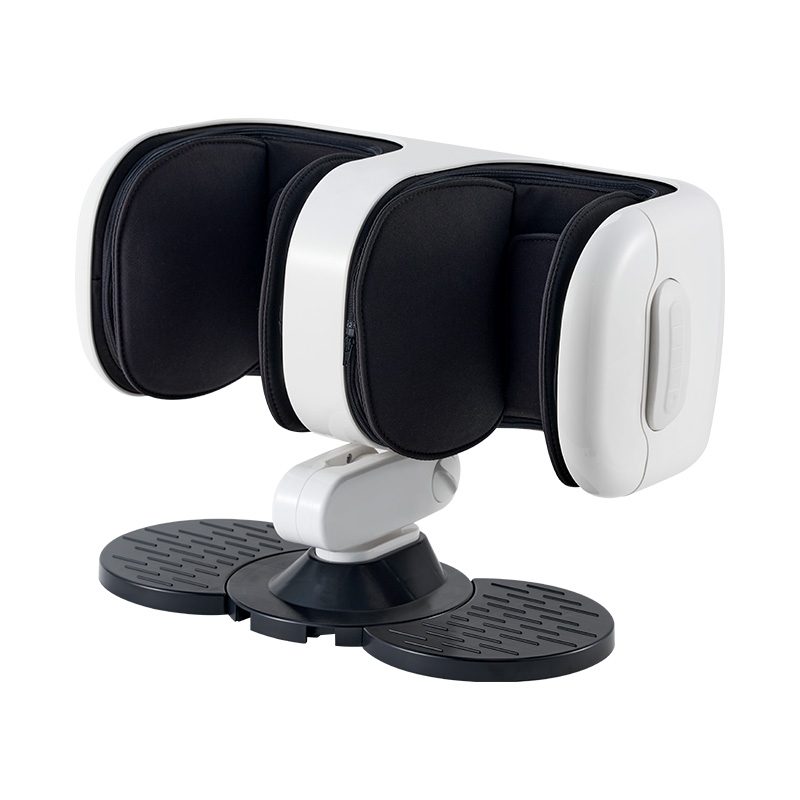
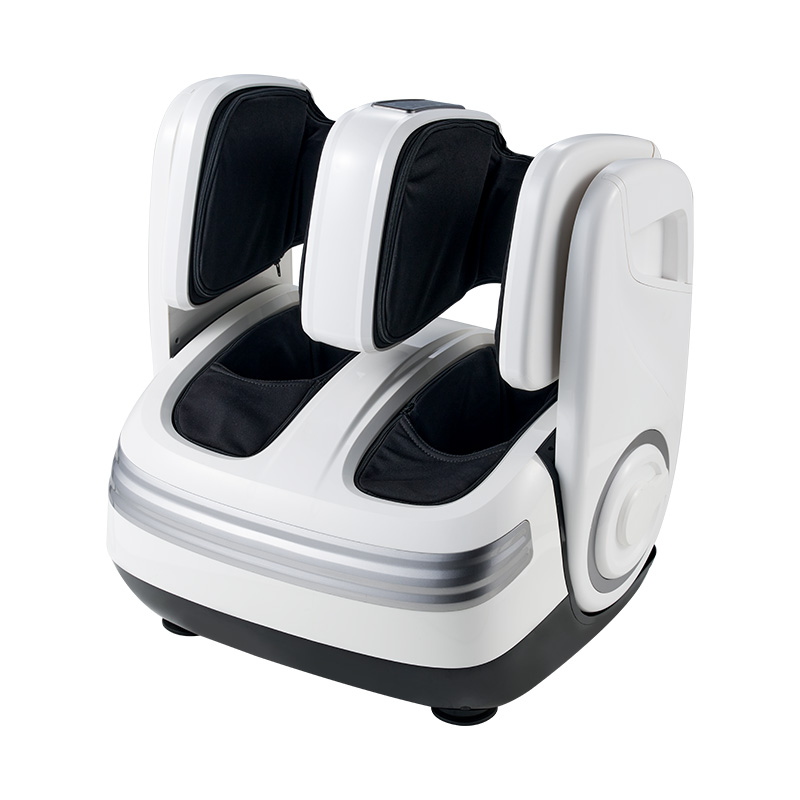
- RF-688 Detachable Lightweight Leg & Foot Massager
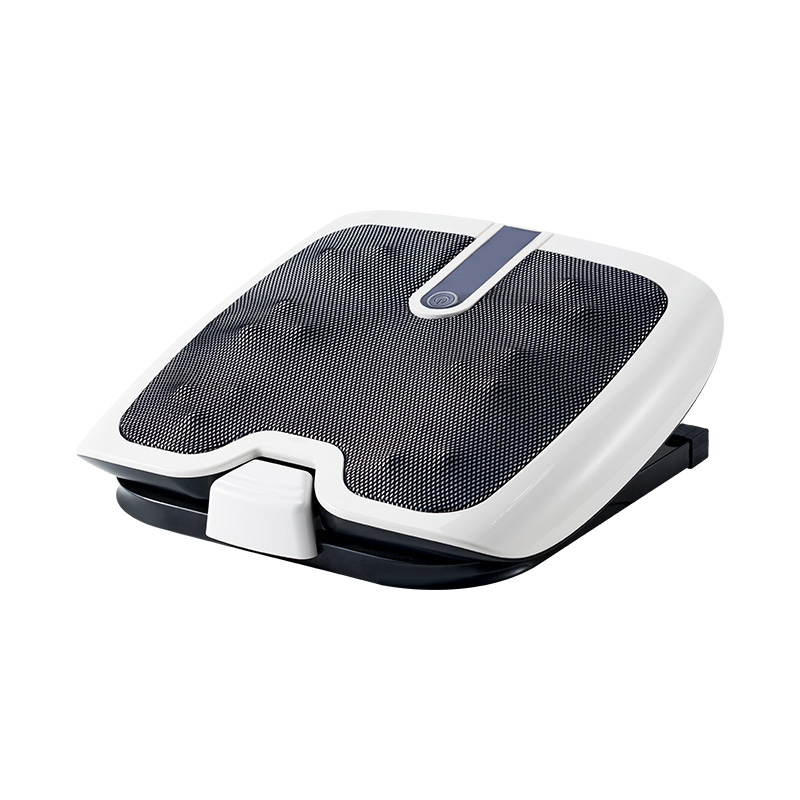
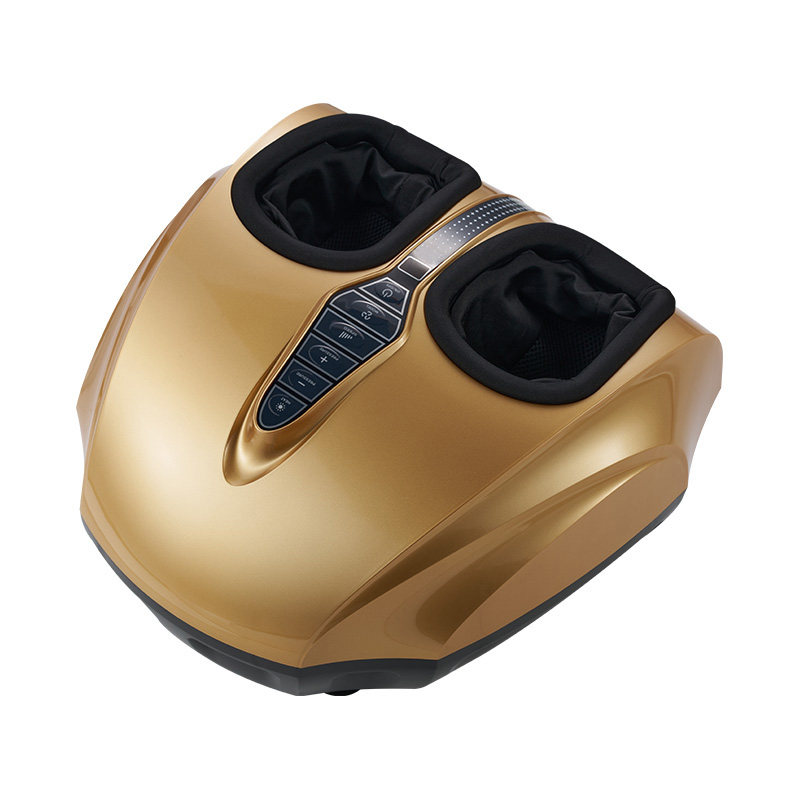
- RF-597 Deep Kneading Shiatsu Foot Massager with Heat
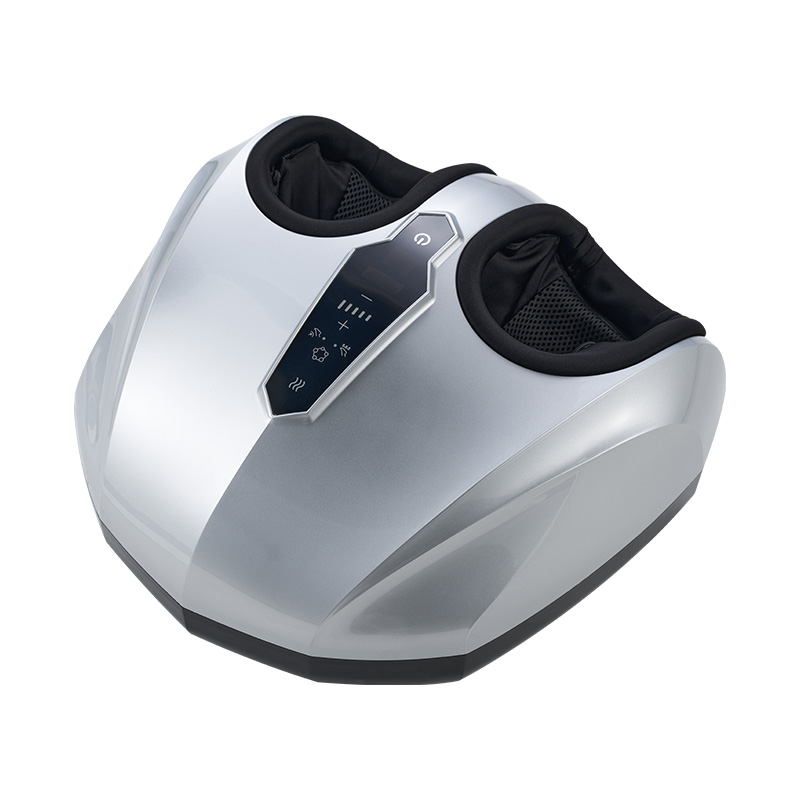
- RF-671 Full Wrapped Heat Shiatsu Foot Massager
- RF-697 Shiatsu Foot Massager with Heat and Deep Kneading
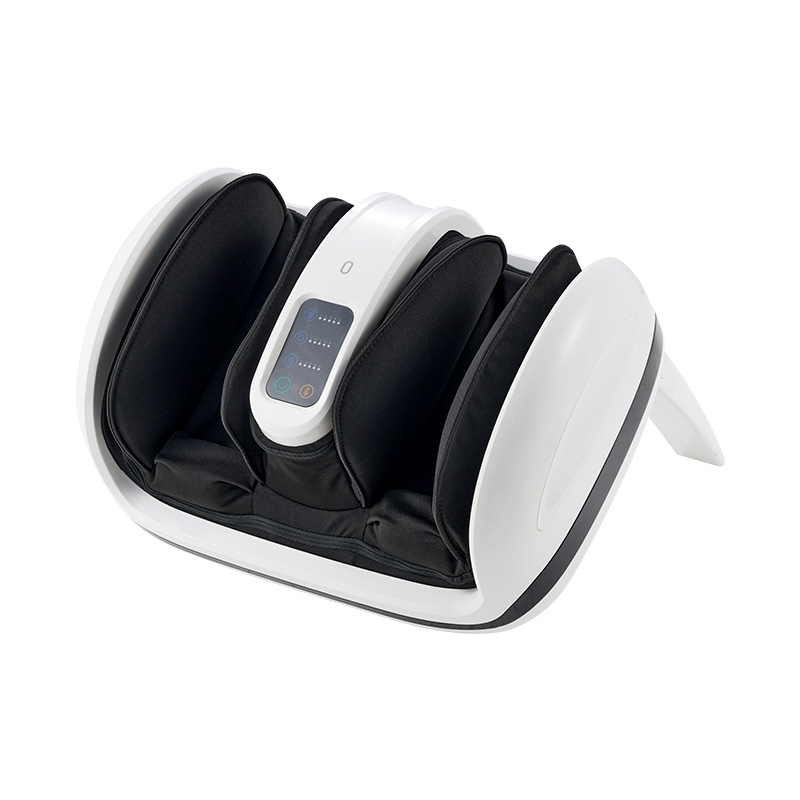
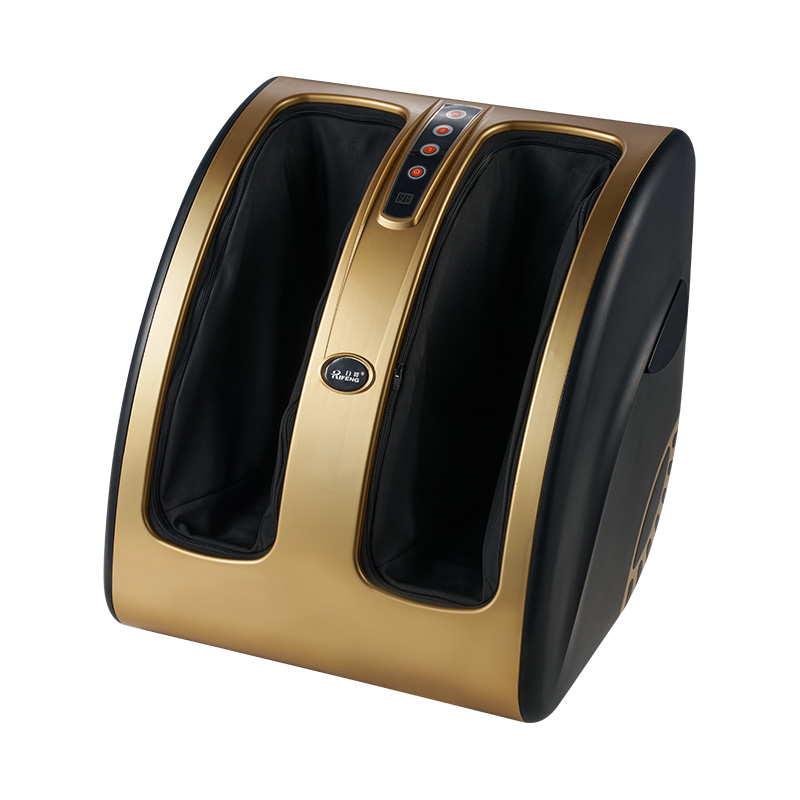
- RF-7900 Electric Air Pressure Foot and Calf Massager Machine
- RF-650 Electric Shiatsu Heating Foot Massager Machine
- RF-8200 Electric Leg and Foot Massager Machine
- RF-8700 Foot and Calf Massager For Relaxation And Stress Relief
Copyright © Zhejiang Rifeng Electrical Appliance Co., Ltd.
Foot Massager Factory
