
 English
 日本語
 한국어
 Deutsch
 中文简体
Keeping Foot Roller Equipment Reliable: What Should Maintenance Plans Include
Mechanical foot massage equipment contains moving rollers, drive motors, electronic controls, and contact materials that require regular inspection and proper care. For importers, distributors, and wellness equipment suppliers, maintenance arrangements are an important part of evaluating a foot massage roller machine. A suitable maintenance plan helps businesses manage equipment condition, reduce avoidable service interruptions, and organize after-sales support throughout the product's distribution cycle.
At Zhejiang Rifeng Electrical Appliance Co., Ltd., we understand that product reliability involves more than manufacturing quality. Maintenance instructions, component inspection, cleaning methods, and technical support also matter to international customers. Below are several areas buyers should consider when developing maintenance plans for mechanical foot massagers.
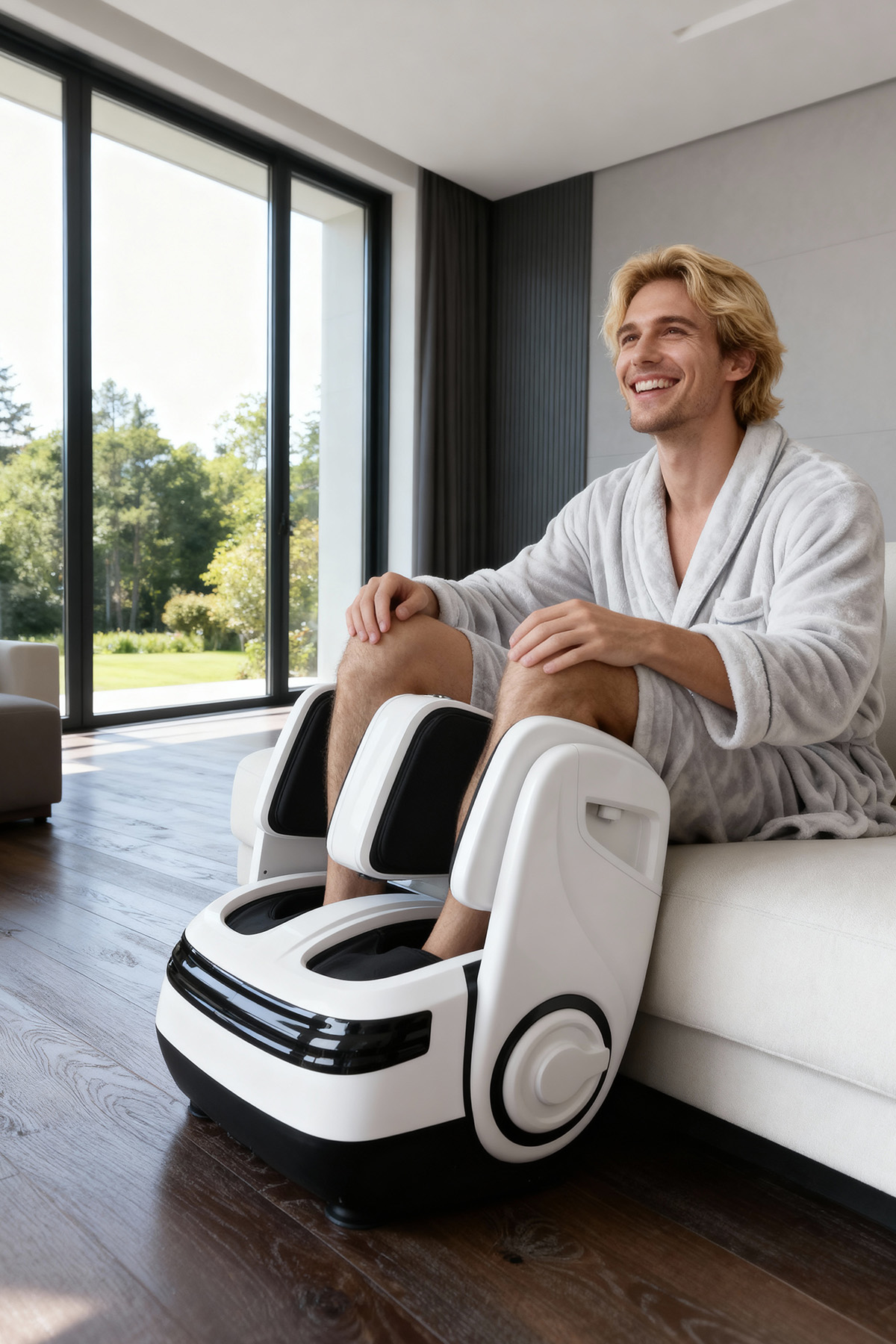
1. Establish a Regular Cleaning Schedule
Foot massage equipment comes into direct contact with users' feet, making surface cleaning an important maintenance task. Dust, sweat, skin residue, and fabric particles may accumulate around rollers and contact surfaces during repeated operation.
We recommend establishing clear cleaning procedures covering the following areas:
- Roller surfaces: Remove visible dust and residue using the cleaning method specified in the product manual.
- Contact materials: Inspect fabric covers and cushioning for stains, wear, or damage.
- Housing: Wipe exterior surfaces with a suitable soft cloth.
- Ventilation openings: Keep air inlets and outlets free from accumulated dust.
- Control panel: Clean buttons and display surfaces without allowing moisture to enter electronic components.
Electrical equipment should be switched off and unplugged before cleaning. Water should never enter the internal motor or electronic assemblies. Abrasive cleaners and aggressive chemicals should also be avoided unless specifically approved by the manufacturer.
2. Inspect Rollers and Mechanical Components
Rollers are central components in mechanical foot massage appliances. Depending on the product design, they may rotate, knead, or move along a defined path to create different massage patterns.
Regular inspection should cover several mechanical details:
- Roller movement: Check for irregular rotation, sticking, or unusual resistance.
- Surface condition: Look for cracks, deformation, and visible material deterioration.
- Drive connections: Examine accessible mechanical connections for looseness or abnormal movement.
- Operating noise: Monitor unusual clicking, grinding, or rattling sounds.
- Massage consistency: Compare the movement of different roller sections during normal operation.
Unusual mechanical behavior should be recorded and investigated rather than ignored. Lubrication or internal adjustments should only be performed according to manufacturer instructions by qualified personnel.
3. Monitor Motor and Electrical Performance
The motor and electrical control system determine how the mechanical massage functions operate. Continuous operation, excessive loads, damaged cables, or poor electrical connections may affect equipment performance.
Buyers managing multiple units should include these inspection points in their maintenance documentation:
- Check power adapters, plugs, and cables for visible damage.
- Verify that buttons and electronic controls respond correctly.
- Observe motor noise and operating stability.
- Check whether automatic timers and overheating protection operate as specified.
- Record repeated shutdowns or abnormal temperature changes.
Operating duration should follow the approved product instructions. Some foot massage appliances include automatic shutdown after 15 or 20 minutes, while other models use different timer configurations. Buyers should confirm the actual settings for each model instead of applying a universal operating schedule.
4. Prepare a Practical Maintenance and Inspection Plan
A written maintenance schedule helps distributors, retailers, and commercial facilities organize routine equipment checks. The inspection frequency should reflect usage intensity, product construction, and manufacturer recommendations.
A basic maintenance framework may include:
- After use: Wipe contact surfaces and remove visible dust or residue.
- Weekly: Examine roller surfaces, fabric covers, and accessible connections.
- Monthly: Review operating performance, power cables, controls, and recorded service issues.
- During long-term storage: Clean and dry the equipment, disconnect the power supply, and keep it in a cool, dry environment.
This schedule is a general planning reference. Actual inspection intervals should be adjusted according to the product manual and operating conditions.
5. Identify Common Problems and Arrange Repair Support
Maintenance plans should also include a procedure for handling equipment problems. Common issues involving mechanical foot massagers include rollers failing to rotate, unexpected shutdowns, abnormal noise, and unresponsive controls.
Buyers can establish a basic troubleshooting record covering:
- Equipment does not start: Check the power connection and approved operating procedure.
- Rollers stop moving: Stop operation and arrange an inspection of the drive mechanism.
- Unexpected shutdown: Check the timer and allow the equipment to cool according to the manual.
- Unusual noise: Stop using the appliance and request technical assessment.
- Control malfunction: Document the error and contact authorized service personnel.
We recommend avoiding unauthorized disassembly or repairs. A clear service procedure helps protect internal components and supports consistent after-sales handling.
6. Evaluate Spare Parts and Supplier Support
For B2B buyers, access to replacement components is an important consideration during supplier evaluation. Motors, control boards, power adapters, roller assemblies, and fabric covers may require replacement during the product's service life, depending on usage and maintenance conditions.
At Rifeng, we encourage customers to discuss spare parts arrangements, warranty conditions, technical documentation, and service communication before confirming cooperation. These details help distributors prepare for customer inquiries and manage product maintenance across different markets.
Our OEM and ODM services also allow buyers to discuss product structures, functional configurations, branding, and packaging requirements. Clear technical documentation can be prepared as part of the product cooperation process, supporting communication between manufacturers, distributors, and end users.
Make Maintenance Part of the Purchasing Decision
Reliable mechanical foot massage equipment depends on appropriate cleaning, roller inspection, motor monitoring, electrical safety checks, and accessible after-sales support. A structured maintenance plan gives distributors and commercial buyers a clearer approach to equipment management and replacement planning.
At Zhejiang Rifeng Electrical Appliance Co., Ltd., we combine massage appliance manufacturing experience with OEM and ODM cooperation capabilities. We welcome inquiries from international importers, wholesalers, and private-label brands interested in mechanical foot massagers. Contact our team to discuss product specifications, maintenance requirements, and manufacturing support for your business.
- RF-688 Detachable Lightweight Leg & Foot Massager
- RF-597 Deep Kneading Shiatsu Foot Massager with Heat
- RF-671 Full Wrapped Heat Shiatsu Foot Massager
- RF-697 Shiatsu Foot Massager with Heat and Deep Kneading
- RF-7900 Electric Air Pressure Foot and Calf Massager Machine
- RF-650 Electric Shiatsu Heating Foot Massager Machine
- RF-8200 Electric Leg and Foot Massager Machine
- RF-8700 Foot and Calf Massager For Relaxation And Stress Relief
Copyright © Zhejiang Rifeng Electrical Appliance Co., Ltd.
Foot Massager Factory
