
 English
 日本語
 한국어
 Deutsch
 中文简体
Shiatsu vs. Reflexology: Which Massage Approach Fits Different Service Settings
Foot massage equipment is available in different mechanical configurations, with Shiatsu and Reflexology-inspired designs representing two common approaches. Although both focus on foot massage, their pressure patterns, contact methods, and operating experiences can differ considerably. For distributors, wellness retailers, hotel suppliers, and private-label brands, understanding these differences is useful when sourcing a reflexology shiatsu foot massager.
At Zhejiang Rifeng Electrical Appliance Co., Ltd., we develop and manufacture massage appliances for international markets. We understand that different commercial channels require different product configurations. Comparing massage technologies, control systems, and equipment structures can help buyers define suitable specifications before placing an order.

1. Understand the Technical Differences Between Shiatsu and Reflexology
Shiatsu is traditionally associated with Japanese massage techniques that apply sustained pressure to selected points. Mechanical foot massagers imitate aspects of this approach through rotating massage nodes, kneading mechanisms, and repeated pressure movements.
Reflexology follows a different traditional framework. It focuses on specific areas of the feet based on reflex-zone maps. Equipment inspired by this approach may use targeted rollers, pressure points, or structured massage movements across different sole areas.
From a manufacturing perspective, the differences can be summarized as follows:
- Shiatsu-style equipment: Often uses rotating nodes and kneading mechanisms to create repeated pressure movements.
- Reflexology-inspired equipment: May use strategically positioned rollers and contact points to provide more localized stimulation.
- Combined configurations: Integrate multiple mechanical movements to provide different massage programs within one appliance.
These descriptions refer to equipment design and massage sensations rather than medically verified effects on internal organs or specific health conditions.
2. Which Configuration Fits Different Service Settings?
Commercial applications influence the required product structure and operating functions. Buyers should consider the environment in which the equipment will be used rather than relying exclusively on the massage technology name.
Home Wellness and Personal Care Retail
Household customers generally appreciate convenient controls, compact construction, and straightforward operating programs. A Shiatsu-style foot massager with rotating nodes and adjustable intensity can serve customers looking for a mechanical kneading experience.
For this channel, buyers should examine:
- Simple button or remote-control operation.
- Multiple massage intensity settings.
- Compact dimensions and convenient storage.
- Removable fabric covers or accessible cleaning areas, where available.
Hotels, Spas, and Wellness Facilities
Hotels and relaxation facilities may require equipment that accommodates different users throughout the day. A combined Shiatsu and Reflexology-inspired design can provide varied operating experiences without requiring separate appliances.
Commercial buyers should pay attention to operating consistency, cleaning arrangements, product durability, and clear user instructions. Timer functions and easy-to-understand controls can also support daily equipment management.
Specialty Massage and Foot Care Retailers
Retailers focusing on foot massage products may prefer equipment with more differentiated mechanical configurations. Reflexology-inspired rollers, targeted pressure points, and multiple massage programs can provide additional product distinctions within a retail assortment.
Accurate product descriptions are important for this channel. Traditional reflexology concepts should be presented as massage approaches rather than claims that an appliance can diagnose or treat internal medical conditions.
3. Compare Mechanical Structures and Functional Details
The massage experience depends heavily on internal mechanical construction. Two appliances carrying similar product descriptions may use different roller arrangements, motor systems, and pressure mechanisms.
During product evaluation, we recommend reviewing these technical details:
- Roller arrangement: Check the number, position, and movement direction of massage rollers.
- Massage nodes: Examine their shape, contact area, and movement patterns.
- Motor performance: Review rated power, operating stability, and noise levels.
- Intensity adjustment: Confirm available speed or pressure settings.
- Heating options: Determine whether temperature-controlled heating is included.
- Operating programs: Compare preset combinations and manual adjustment options.
These parameters provide a practical basis for comparing different mechanical foot massager models and determining which configuration matches a particular distribution channel.
4. Consider Product Customization for Different Markets
Standard product configurations may not satisfy every brand's positioning requirements. Importers and private-label businesses often need adjustments to product appearance, packaging, control interfaces, and functional combinations.
At Rifeng, our OEM and ODM services support discussions covering:
- Customized product colors and branding arrangements.
- Logo printing and retail packaging design.
- Massage program and control panel configurations.
- Product documentation and user manual requirements.
- Selected functional modifications based on engineering feasibility.
Our R&D and manufacturing capabilities allow us to coordinate product development requirements with production planning. Buyers can discuss their intended market, expected product positioning, and technical specifications with our team before sample approval.
5. Evaluate Quality Control and Long-Term Product Support
Mechanical massage appliances contain motors, rollers, electronic controls, and electrical connections. Their quality management should cover both mechanical operation and electrical performance.
We recommend checking the following items during supplier evaluation:
- Motor and roller operation under normal working conditions.
- Consistency between different massage programs.
- Housing assembly and internal component connections.
- Heating and automatic shutdown functions, where applicable.
- Relevant electrical safety testing and certification documents.
- Spare parts availability and after-sales communication.
At Zhejiang Rifeng Electrical Appliance Co., Ltd., we combine product development and manufacturing resources to support international customers. We encourage buyers to evaluate samples and confirm inspection requirements before approving bulk production.
Match Massage Technology with Your Business Requirements
Shiatsu and Reflexology-inspired foot massagers offer different mechanical approaches and product positioning opportunities. Shiatsu-style equipment generally emphasizes repeated kneading and pressure movements, while Reflexology-inspired designs focus on targeted contact across selected areas of the feet. Combined configurations can incorporate elements of both approaches.
At Rifeng, we work with distributors, importers, and private-label brands to discuss mechanical foot massager configurations, product customization, and manufacturing requirements. Contact our team to review available models and develop a product specification that fits your intended sales channel.
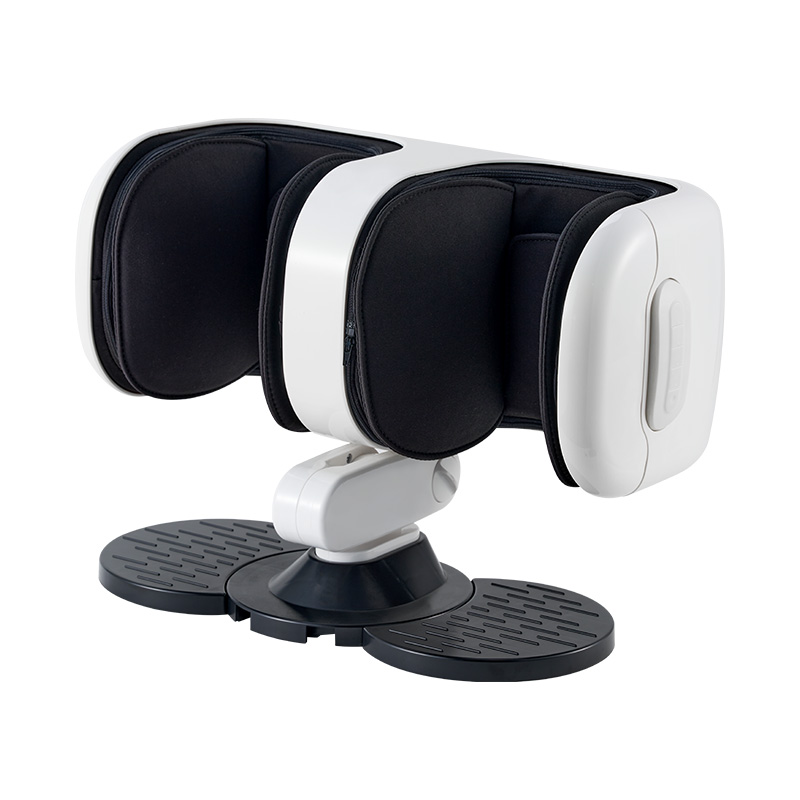
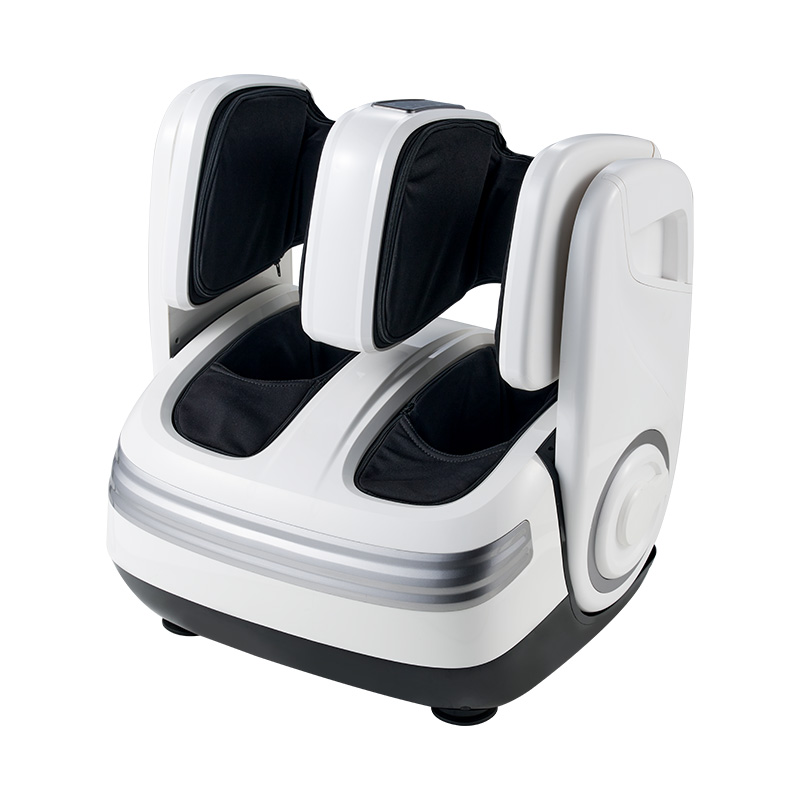
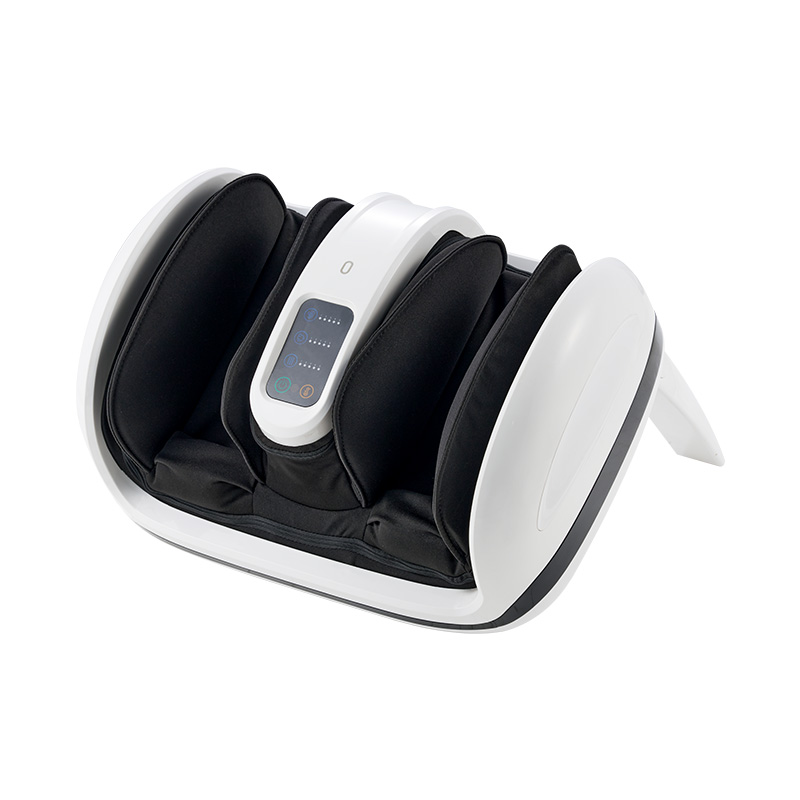
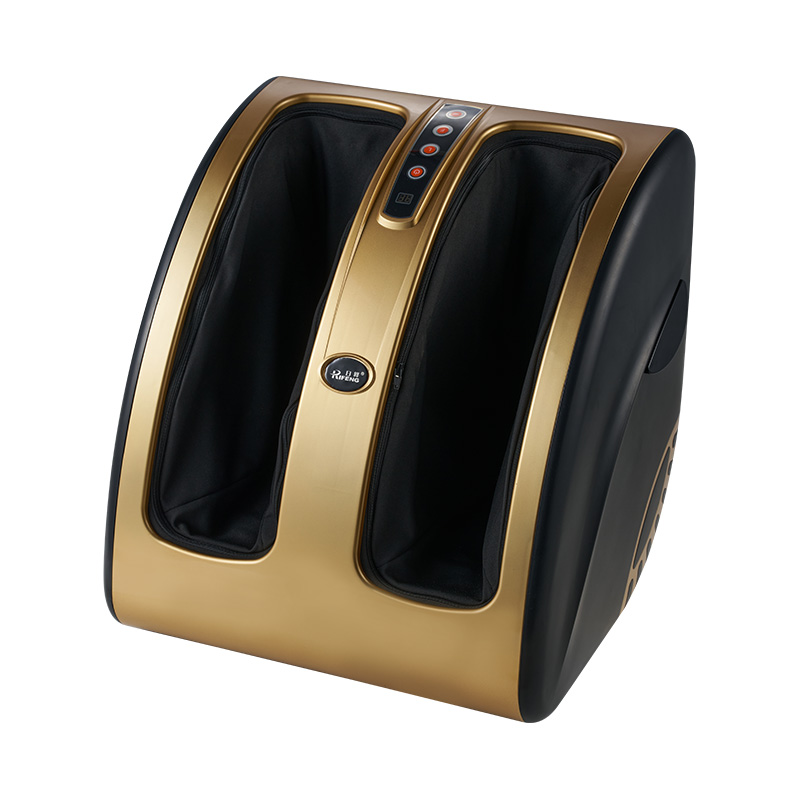
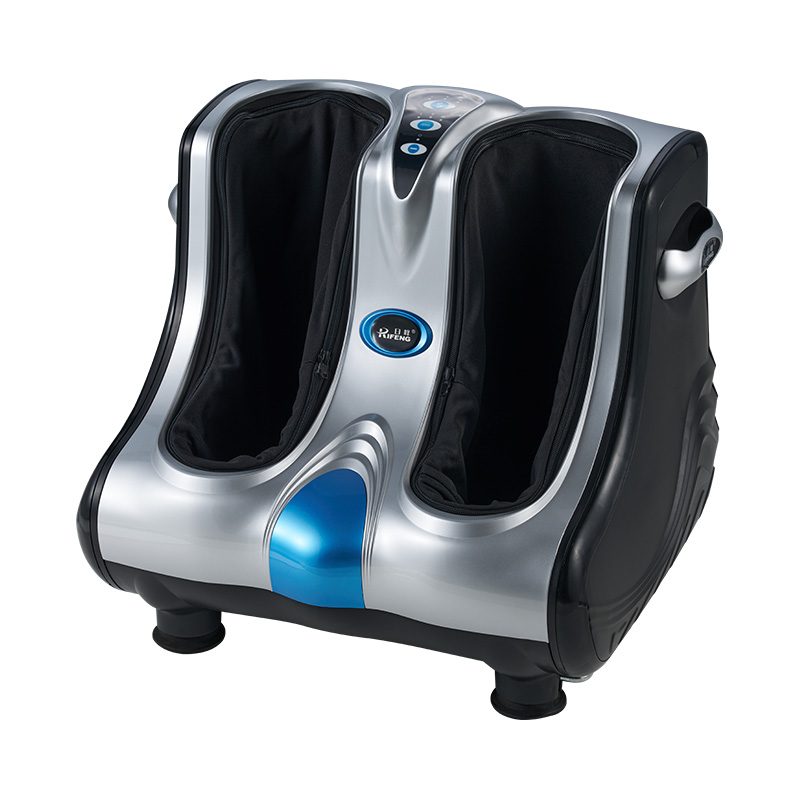
- RF-688 Detachable Lightweight Leg & Foot Massager
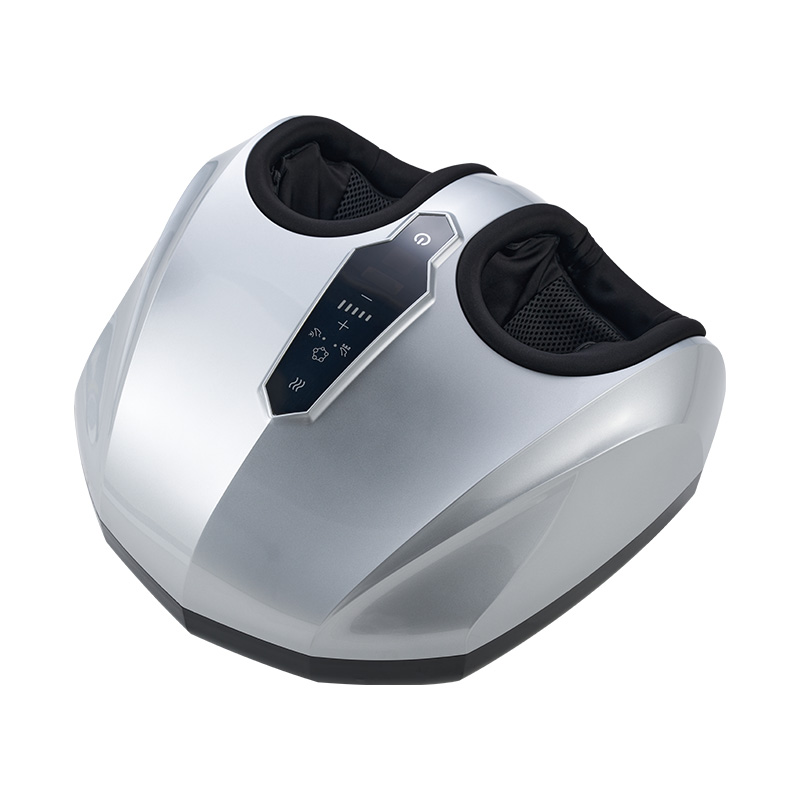
- RF-597 Deep Kneading Shiatsu Foot Massager with Heat
- RF-671 Full Wrapped Heat Shiatsu Foot Massager
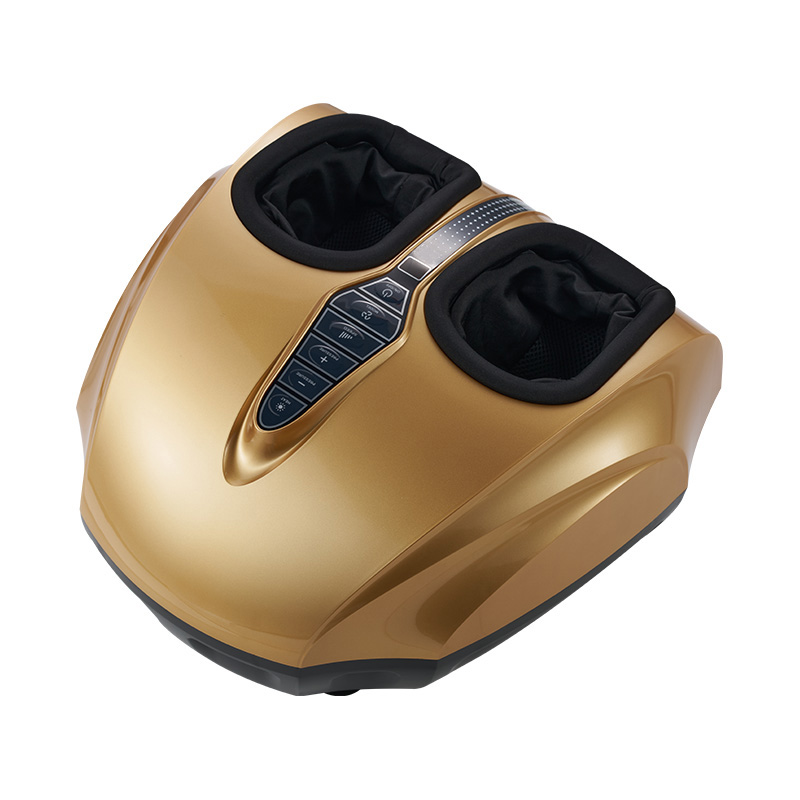
- RF-697 Shiatsu Foot Massager with Heat and Deep Kneading
- RF-7900 Electric Air Pressure Foot and Calf Massager Machine
- RF-650 Electric Shiatsu Heating Foot Massager Machine
- RF-8200 Electric Leg and Foot Massager Machine
- RF-8700 Foot and Calf Massager For Relaxation And Stress Relief
Copyright © Zhejiang Rifeng Electrical Appliance Co., Ltd.
Foot Massager Factory
