
 English
 日本語
 한국어
 Deutsch
 中文简体
Matching Leg Massager Settings to Different Customer Preferences
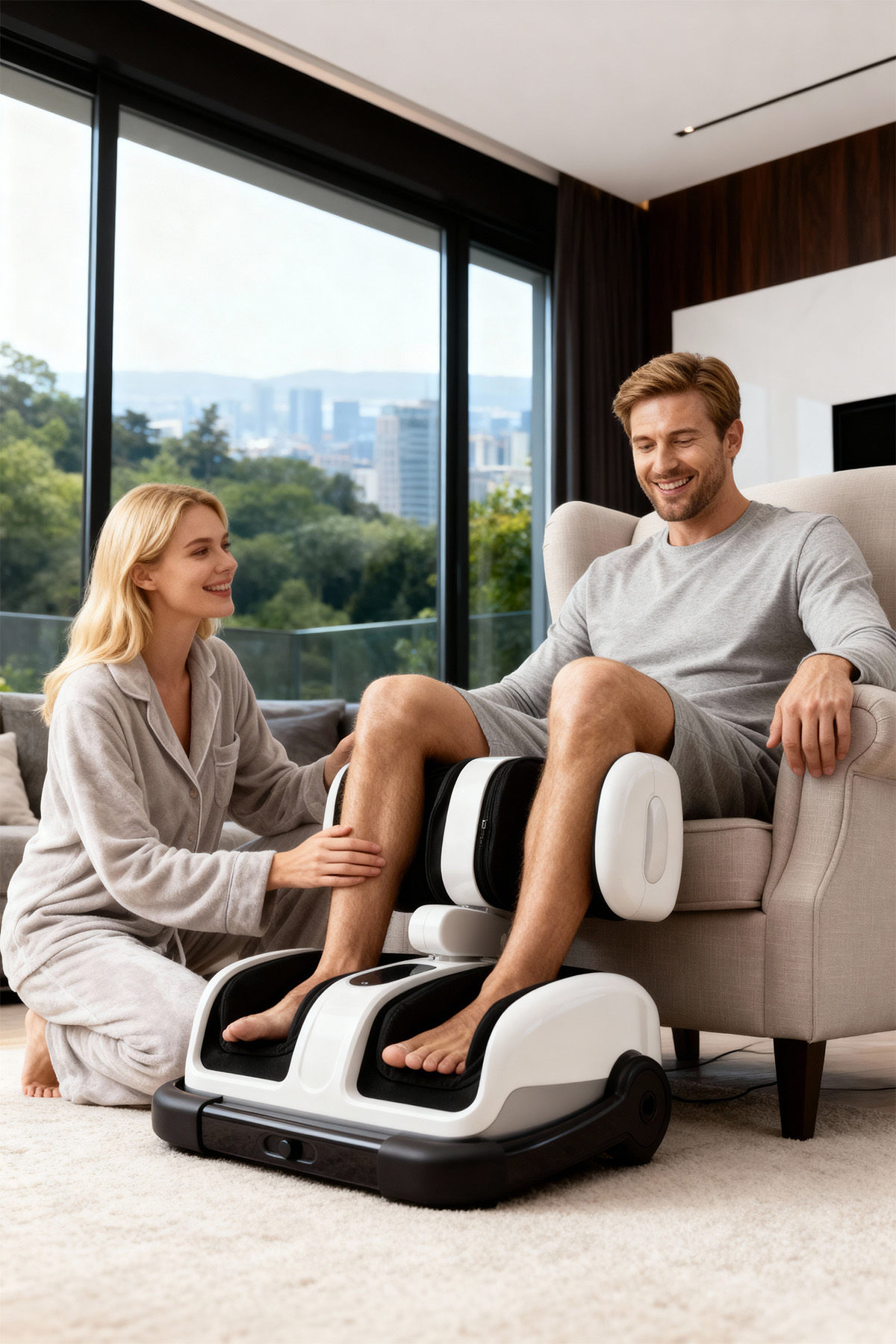
Customers have different expectations from a massage device. Some prefer gentle stimulation after a long day at work, while others enjoy firmer pressure or a combination of massage functions. At Zhejiang Rifeng Electrical Appliance Co., Ltd., we understand that a well-configured acupressure leg massager should match its intended users rather than rely on a single intensity or complicated control system. Understanding customer preferences helps distributors and importers evaluate product configurations more effectively.
1. Identify the Main Customer Preferences
Different users may value different combinations of pressure, coverage, warmth, and convenience. Defining the intended audience helps buyers determine which functions deserve priority.
- Gentle massage users: Customers who prefer mild stimulation may appreciate lower intensity settings and gradual pressure changes.
- Firm massage preferences: Some users prefer a stronger kneading sensation. Adjustable intensity allows them to find a comfortable level without assuming that greater pressure is always better.
- Relaxation-focused customers: A combination of massage modes and optional heating may appeal to users who want a relaxing routine at home.
- Convenience-oriented buyers: Simple controls, clear program labels, and straightforward operation can matter more than a large number of settings.
These groups are useful for product planning, but preferences can overlap. We recommend evaluating actual customer feedback and intended applications before finalizing a product range.
2. Match Intensity Settings to Comfort Needs
Massage intensity influences the overall experience, particularly for devices that use kneading, vibration, or air compression. Adjustable settings provide flexibility across different preferences, provided that the available levels are clearly differentiated.
- Low intensity: Suitable as a starting point for users who prefer a lighter sensation.
- Medium intensity: Offers an intermediate option for users who want a more noticeable massage.
- High intensity: Provides a firmer experience for users who find it comfortable and appropriate.
These labels describe general experience levels rather than standardized pressure measurements. Actual performance depends on the massage mechanism, internal structure, and individual sensitivity. During product testing, we suggest comparing each setting to confirm that users can notice a meaningful difference.
3. Consider Massage Coverage and Additional Functions
Intensity alone does not determine whether a device suits a particular customer. Coverage area and massage technology also influence the experience.
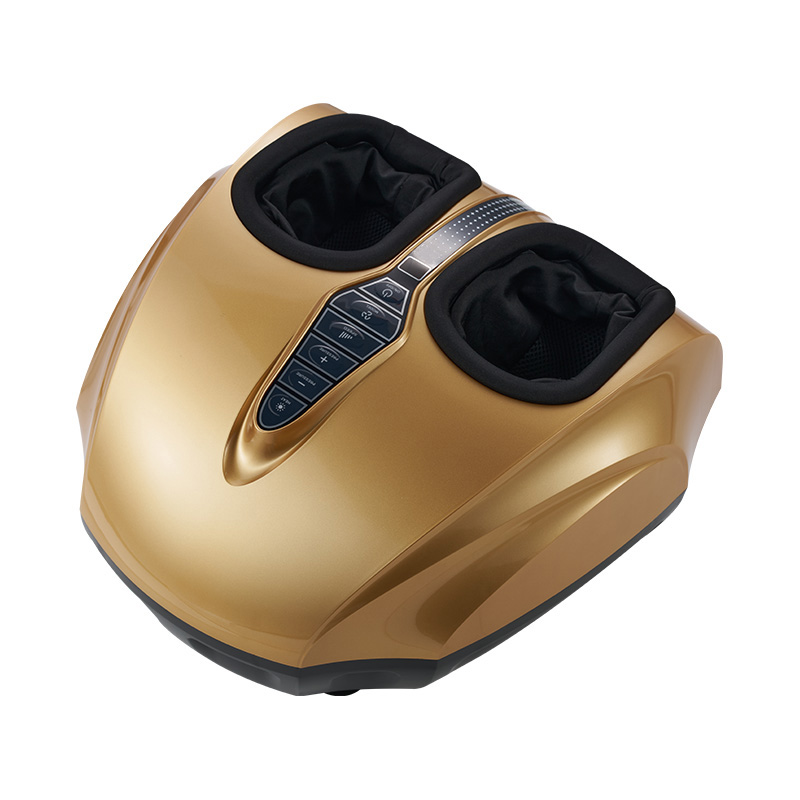
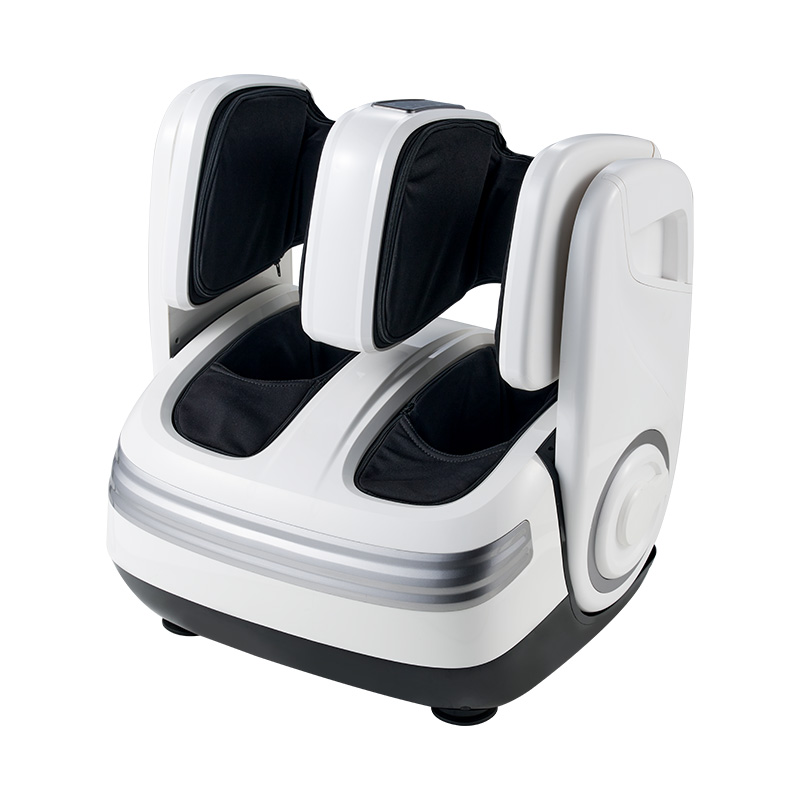
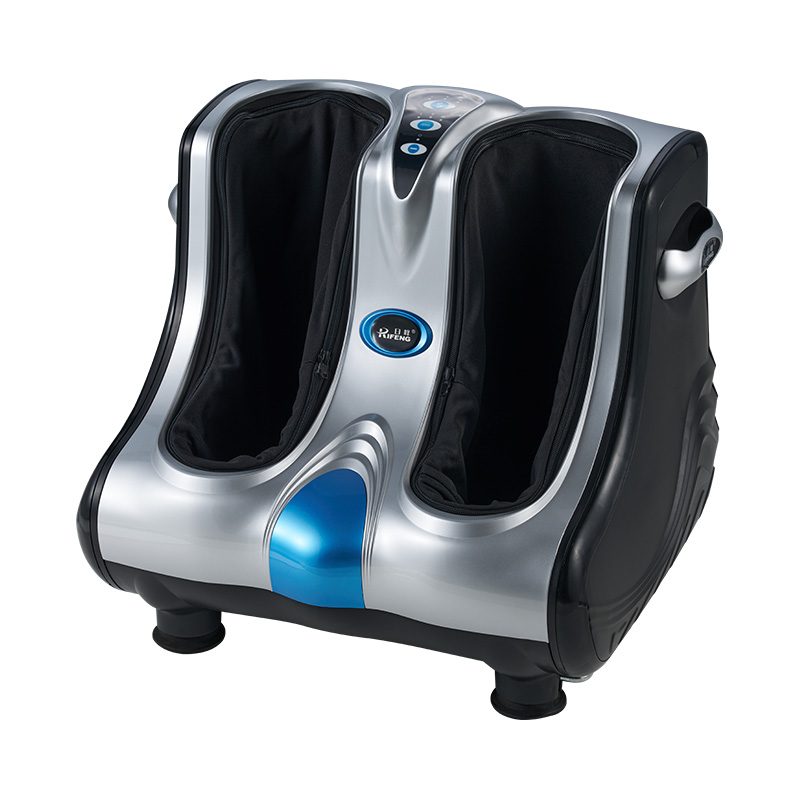
- Foot and calf coverage: Combined designs may appeal to customers who prefer massage across multiple areas rather than focusing exclusively on the soles.
- Kneading mechanisms: Moving massage components create targeted pressure and a different sensation from compression-based systems.
- Air compression: Inflatable chambers apply and release pressure around designated areas, creating a squeezing sensation.
- Heating functions: Warmth can add comfort, although customers should be able to review the temperature specifications and operating precautions.
At Rifeng, we encourage buyers to compare these functions according to their target market's needs. A product with a clear, practical configuration may be easier for customers to understand than a model with numerous features they rarely use.
4. Evaluate Product Settings Before Bulk Purchasing
Distributors and importers should assess more than the number of programs shown on a product specification sheet. Practical testing helps establish whether the settings provide a comfortable and consistent experience.
- Test every available intensity and massage mode using the manufacturer's instructions.
- Check whether the controls are easy to operate and the program descriptions are understandable.
- Confirm the supported foot dimensions, calf circumference, and intended coverage area.
- Review electrical ratings, applicable safety documentation, warranty conditions, and after-sales support.
- Request sample units to evaluate the actual massage sensation before confirming a larger order.
We also recommend collecting feedback from representative users during product evaluation. Their comments can help buyers identify confusing controls, uncomfortable pressure points, or settings that offer little practical difference.
5. Keep Comfort and Responsible Use in Focus
Massage equipment should be used according to its instructions, starting with a comfortable setting. Users should stop if they experience pain, numbness, or unusual discomfort. People with circulation disorders, reduced sensation, suspected blood clots, or relevant foot and leg injuries should seek medical advice before using massage equipment. Consumer massage products should not be promoted as substitutes for medical treatment.
Build a Product Range Around Customer Needs
Matching massage settings to customer preferences requires attention to intensity, coverage, operating simplicity, and functional design. At Zhejiang Rifeng Electrical Appliance Co., Ltd., we work with buyers to evaluate massage equipment according to intended applications and product requirements. Distributors interested in foot and leg massage products can contact our team to discuss specifications, sample evaluation, and available OEM or ODM cooperation options.
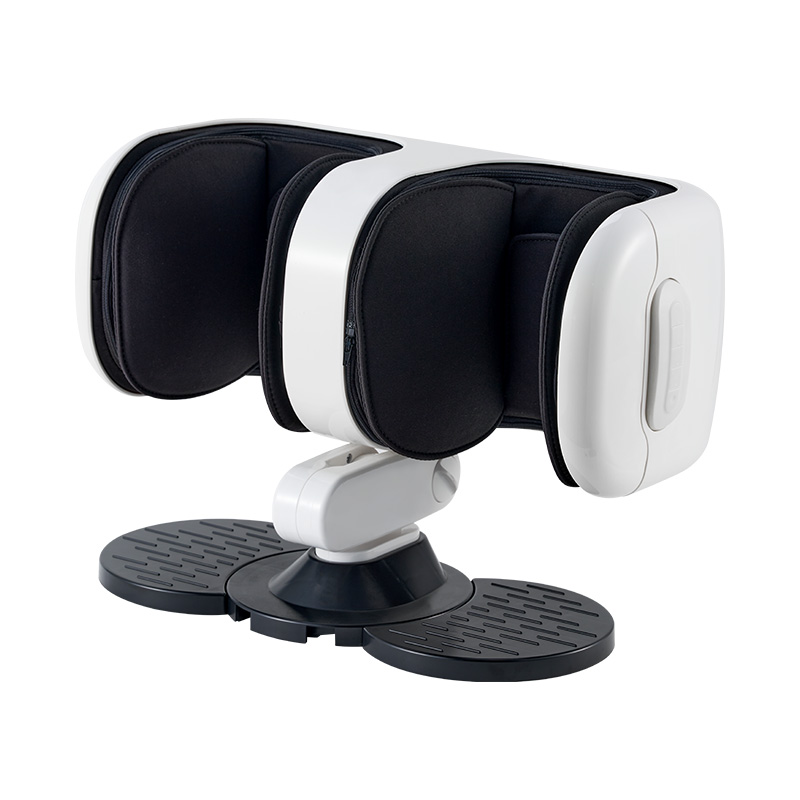
- RF-688 Detachable Lightweight Leg & Foot Massager
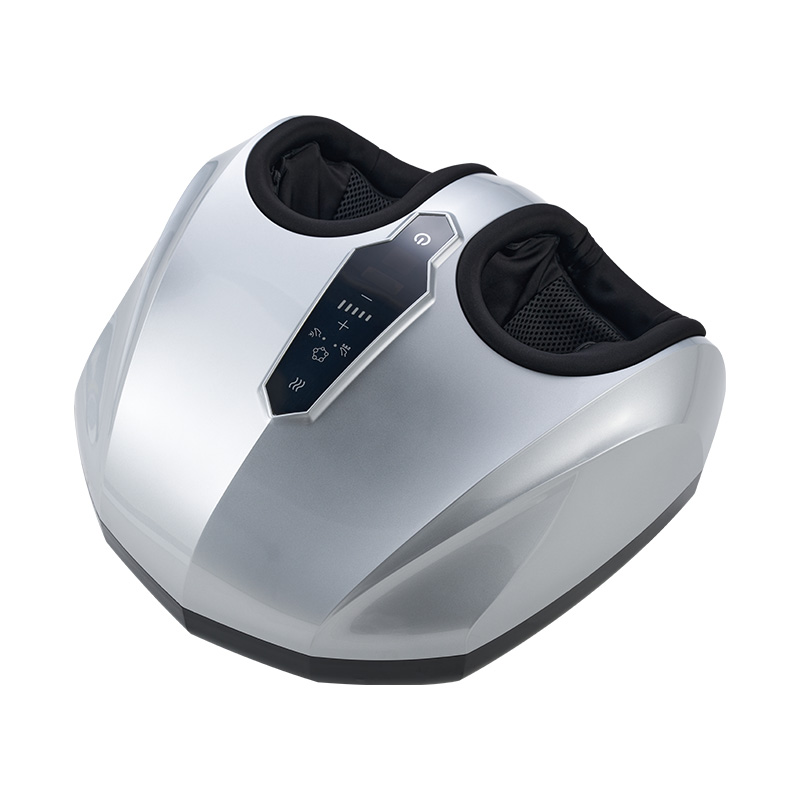
- RF-597 Deep Kneading Shiatsu Foot Massager with Heat
- RF-671 Full Wrapped Heat Shiatsu Foot Massager
- RF-697 Shiatsu Foot Massager with Heat and Deep Kneading
- RF-7900 Electric Air Pressure Foot and Calf Massager Machine
- RF-650 Electric Shiatsu Heating Foot Massager Machine
- RF-8200 Electric Leg and Foot Massager Machine
- RF-8700 Foot and Calf Massager For Relaxation And Stress Relief
Copyright © Zhejiang Rifeng Electrical Appliance Co., Ltd.
Foot Massager Factory
