
 English
 日本語
日本語 한국어
한국어 Deutsch
 中文简体
中文简体One Machine, Two Areas: Is Calf Coverage Worth It
Foot massagers have traditionally focused on the soles, heels, and arches. Newer multifunctional designs extend the massage area upward, bringing the ankles and calves into the same session. This raises a practical product question: does adding calf coverage create a noticeably different experience, or does it simply make the machine larger?
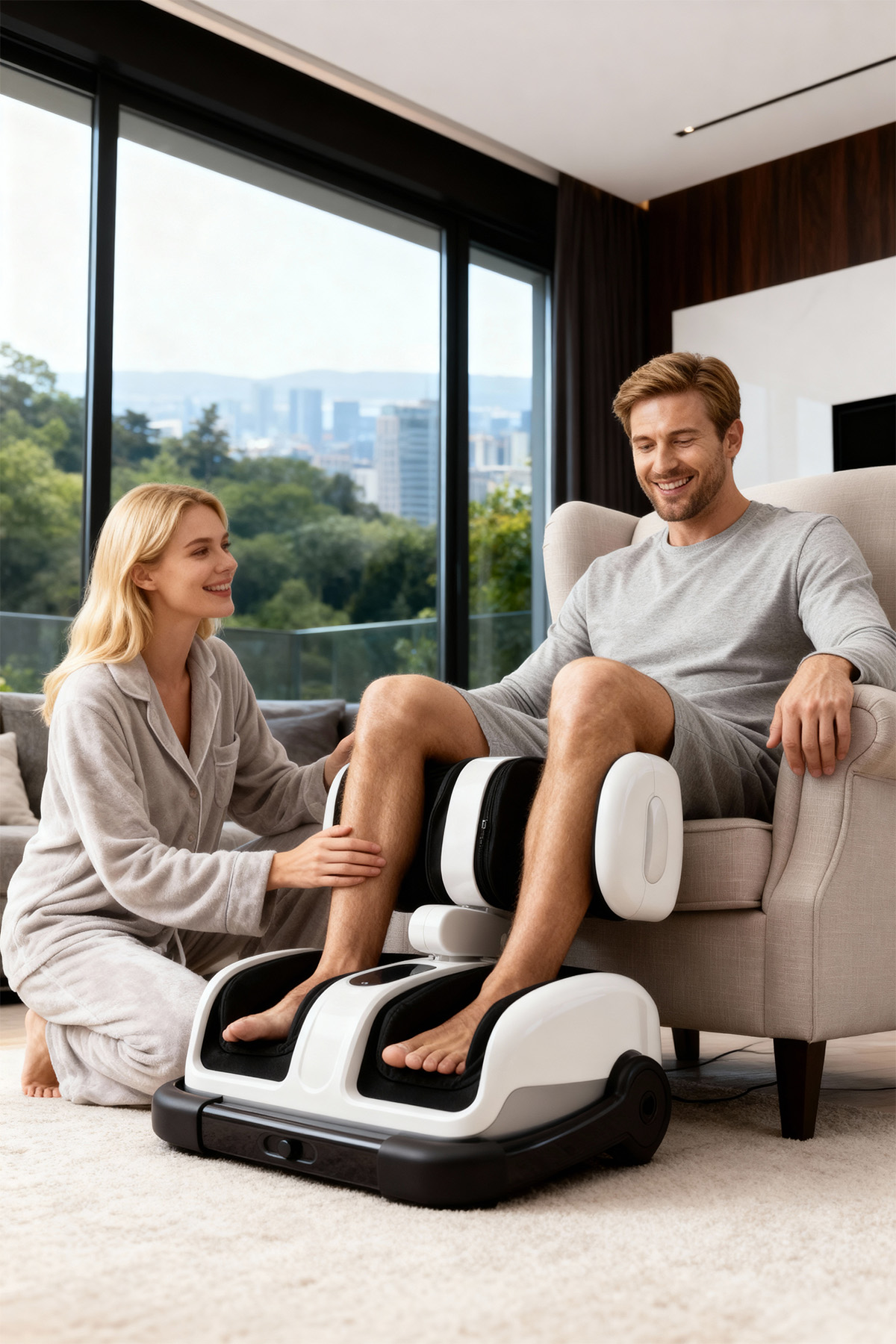
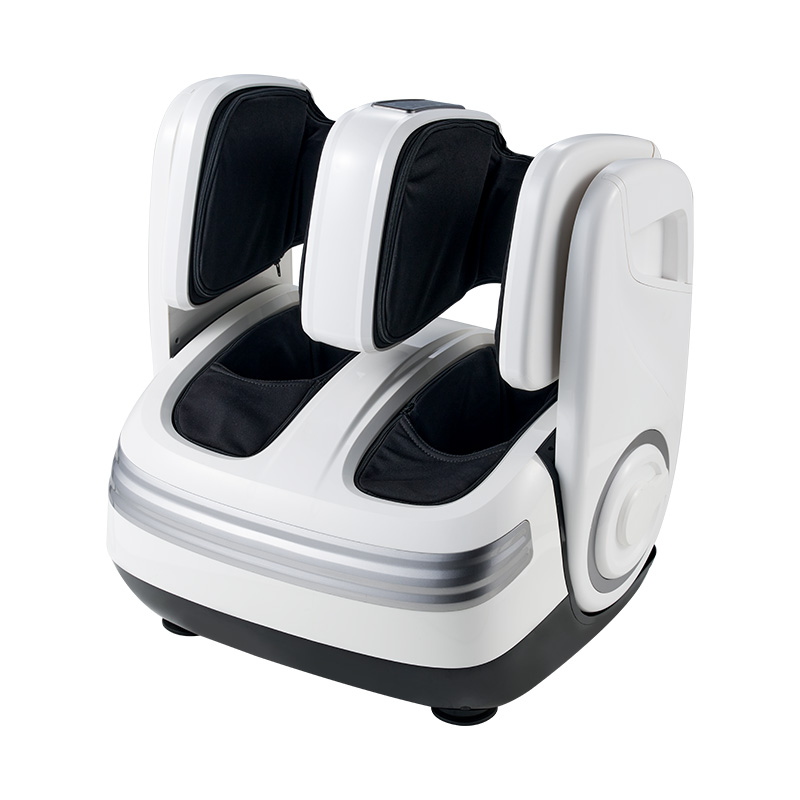
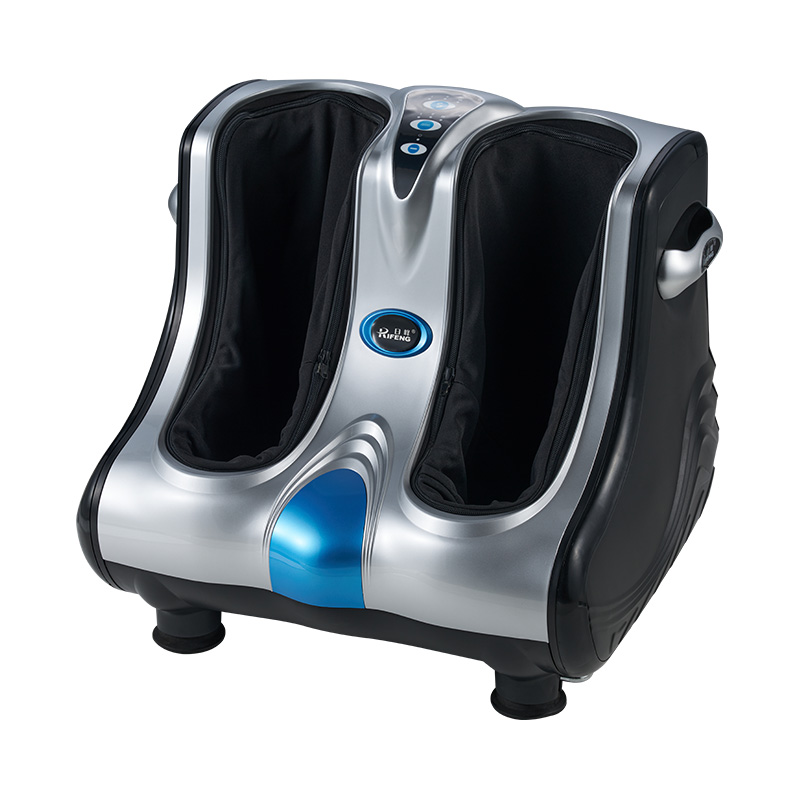
A Multifunctional Calf and Foot Massager combines several massage mechanisms within a single structure. Depending on the model, users may find rolling or kneading beneath the feet, air compression around the calves, heat, vibration, and adjustable positioning.
Why Add the Calves to a Foot Massager?
The calf is a much larger area than the foot, so it requires a different massage structure. Sole rollers cannot simply be extended upward. Manufacturers generally use air chambers, compression sleeves, vibrating elements, or dedicated kneading components around the lower leg.
- Foot zone: Rolling or kneading mechanisms can target the soles, arches, heels, and toes.
- Ankle zone: Air compression can surround the ankle rather than relying on direct roller contact.
- Calf zone: Inflatable chambers can create repeated squeezing around the lower leg.
- Combined operation: Different mechanisms can work simultaneously to create a broader lower-leg massage experience.
Current products illustrate this division clearly. Sharper Image uses four sets of air chambers around the calves while 16 rotating nodes provide massage beneath the feet.
Is Calf Massage the Same as Calf Compression?
Not necessarily. This distinction is important when comparing multifunctional models. Calf compression usually relies on inflatable chambers that repeatedly expand and release around the leg. Mechanical calf massage may use vibration, rolling, or kneading components to create direct movement.
- Air compression: Creates a surrounding squeeze without requiring mechanical rollers.
- Vibration: Adds repetitive movement through a motorized component.
- Kneading: Uses mechanical nodes or moving sections to apply more localized pressure.
Product descriptions often combine these terms, so buyers should check the actual mechanism rather than assuming “calf massage” means the same thing across every model. Some devices primarily compress the calves while providing deeper mechanical massage under the feet.
Does Calf Coverage Make the Machine More Adjustable?
Adding another body area also creates more opportunities for customization. Foot and calf zones may require different pressure levels because the shape and size of the two areas are not the same.
Current models show considerable variation. RENPHO lists three kneading options and four air-pressure levels, together with three heat levels and timer settings of 15, 20, or 30 minutes.
- Foot intensity: Controls how firmly rollers or massage nodes contact the soles.
- Calf pressure: Changes the squeezing force produced by the air chambers.
- Heat level: Adds warmth independently of the mechanical massage on some models.
- Massage mode: Preset programs can combine foot and calf functions in different sequences.
How Far Should Calf Coverage Extend?
Coverage height is another specification worth checking. Some products stop below the knee, while others extend farther up the lower leg. A taller structure can cover more of the calf, but it may also increase the overall footprint of the machine.
Fit varies between products. Sharper Image lists calf compatibility up to 21 inches in circumference, while RENPHO specifies support for feet up to US size 14 and a dedicated calf section.
- Calf circumference: Flexible sleeves or adjustable fasteners can accommodate different leg sizes.
- Foot length: Internal roller placement needs to match the intended foot-size range.
- Leg position: Adjustable bars or tilt mechanisms can change the angle between the feet and calves.
- Opening design: Wider openings can make putting the legs into the machine easier.
Could a Larger Coverage Area Affect Comfort?
More coverage does not automatically mean a better experience. A calf section needs to balance pressure, fit, and positioning. Too little contact may make the upper section feel ineffective, while excessive compression can become uncomfortable.
Customer questions around current foot-and-calf products often focus on whether the calf section actually massages or merely compresses. Such questions show why specifications need to describe the massage mechanism clearly rather than relying only on broad terms such as “full leg massage.”
What Extra Features Support Dual-Zone Massage?
Multifunctional products often use supporting features to make the larger coverage area easier to control.
- Adjustable support bar: Helps change the massage angle and leg position.
- Remote control: Allows users to adjust settings without reaching toward the main unit.
- Washable liners: Useful for enclosed foot and calf compartments used directly against the skin.
- Automatic timer: Many models use sessions around 15–30 minutes.
- Multiple heat settings: Some models offer three heat levels, while other designs provide a fixed temperature around 113°F.
Is a Multifunctional Calf and Foot Massager Worth Considering?
Calf coverage changes the product from a foot-focused appliance into a broader lower-leg massage system. The value comes from combining two different massage areas without requiring separate devices. Foot rollers can concentrate on the soles and arches, while air chambers or other mechanisms address the calves.
The Multifunctional Calf and Foot Massager category therefore deserves evaluation beyond the number of modes listed on the package. Calf coverage height, compression mechanism, foot roller design, pressure adjustment, heat control, fit range, washable components, and positioning options can all influence the actual experience.
For buyers who regularly want attention beyond the soles, adding calf coverage can provide a broader massage session. For users focused solely on foot contact, a compact foot-only machine may still offer a simpler format. The key difference is not simply the extra section above the ankle, but how effectively that section is integrated with the foot massage system.
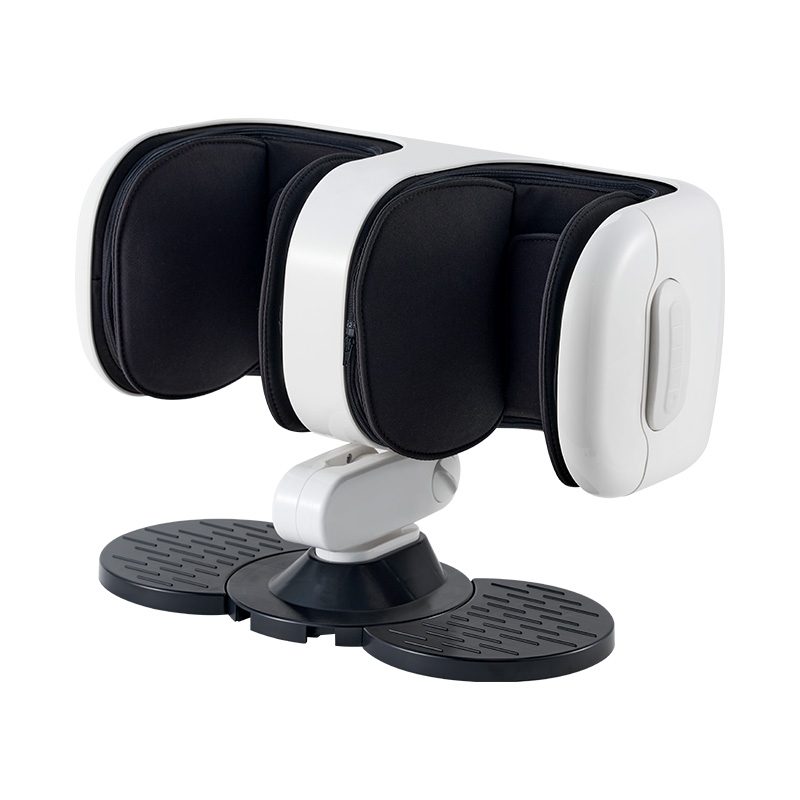
- RF-688 Detachable Lightweight Leg & Foot Massager
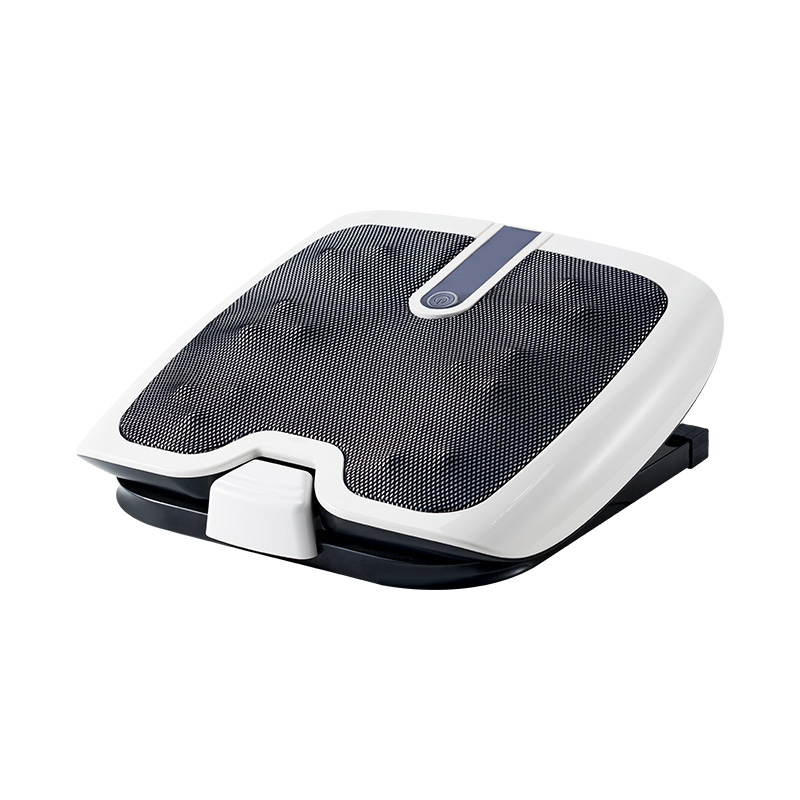
- RF-597 Deep Kneading Shiatsu Foot Massager with Heat
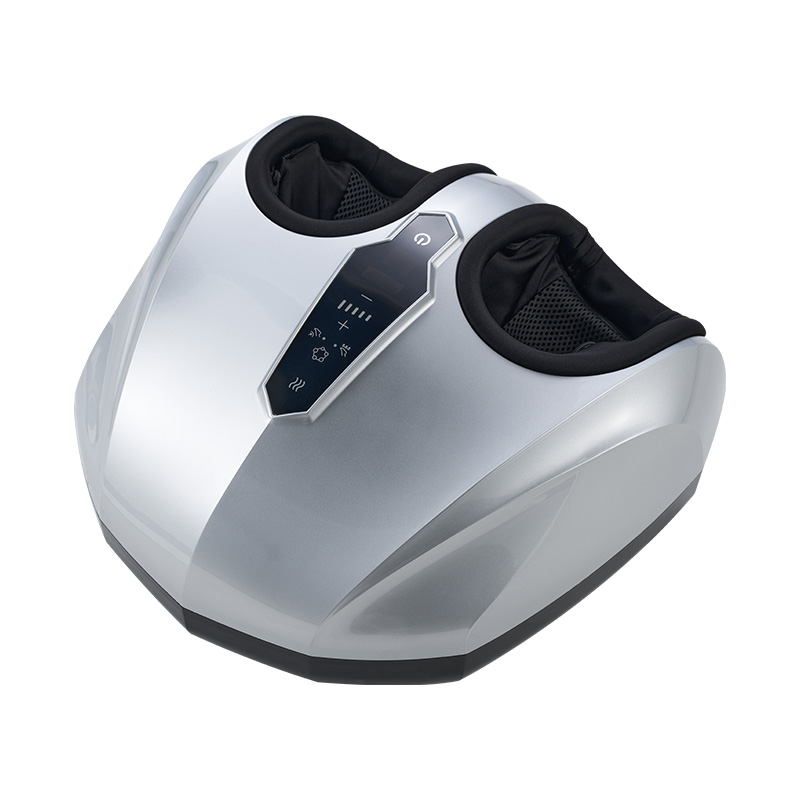
- RF-671 Full Wrapped Heat Shiatsu Foot Massager
- RF-697 Shiatsu Foot Massager with Heat and Deep Kneading
- RF-7900 Electric Air Pressure Foot and Calf Massager Machine
- RF-650 Electric Shiatsu Heating Foot Massager Machine
- RF-8200 Electric Leg and Foot Massager Machine
- RF-8700 Foot and Calf Massager For Relaxation And Stress Relief
Copyright © Zhejiang Rifeng Electrical Appliance Co., Ltd.
Foot Massager Factory
