
 English
 日本語
日本語 한국어
한국어 Deutsch
 中文简体
中文简体Does Full Foot Coverage Make Shiatsu Massage Feel Different
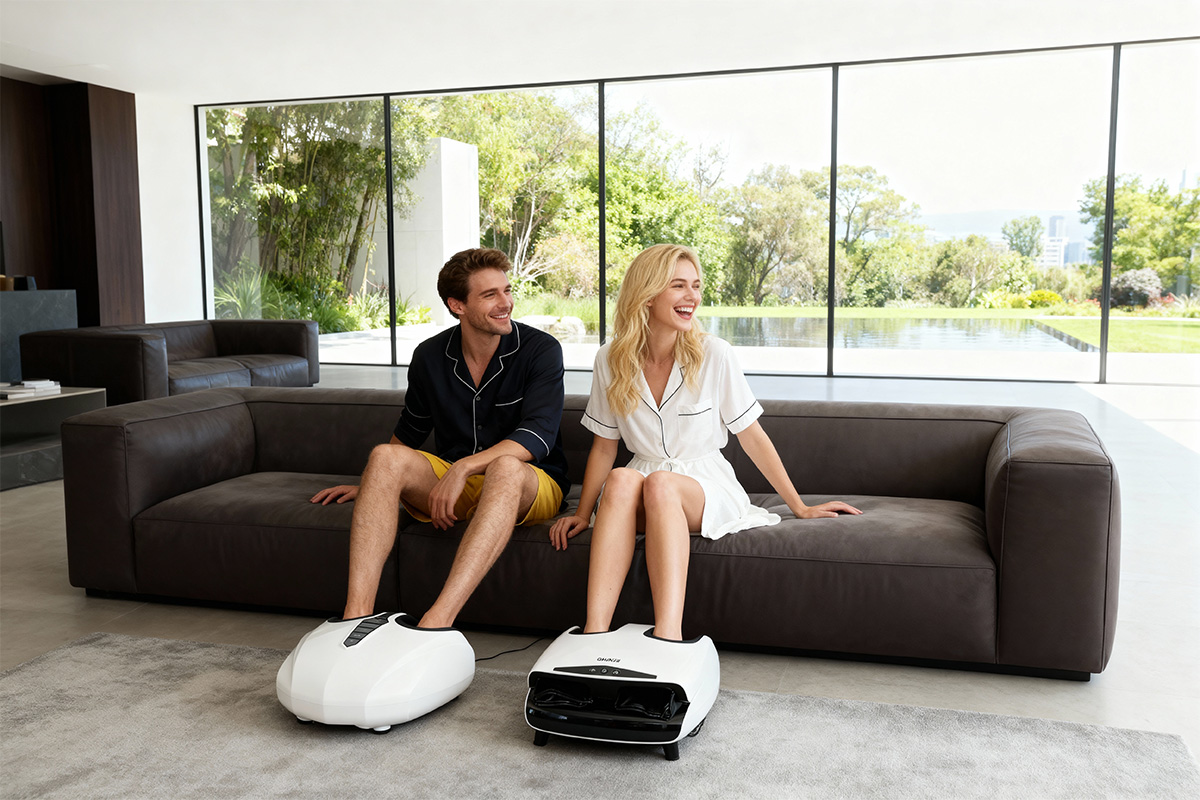
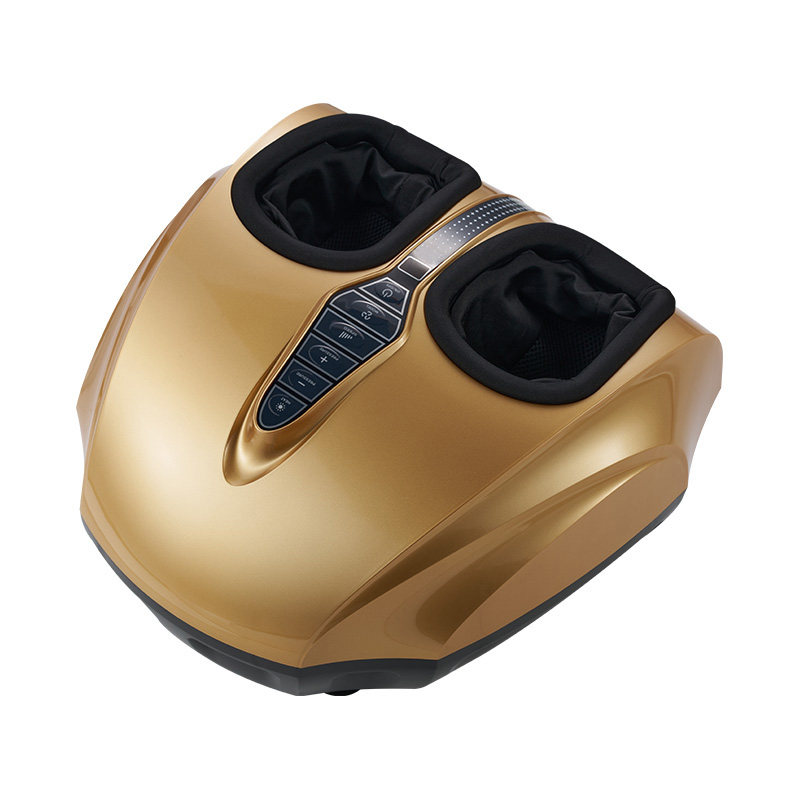
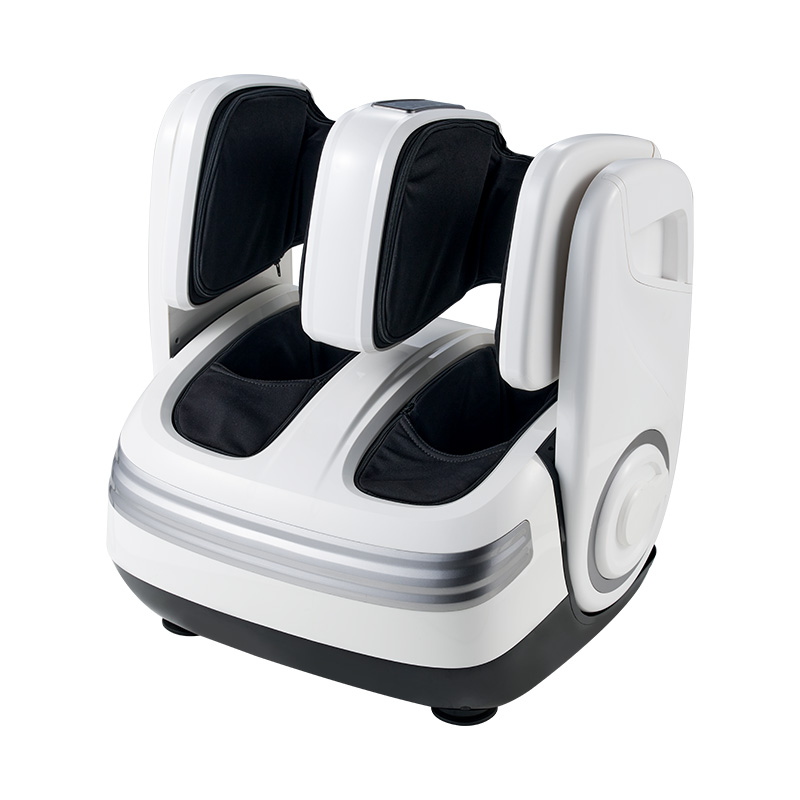
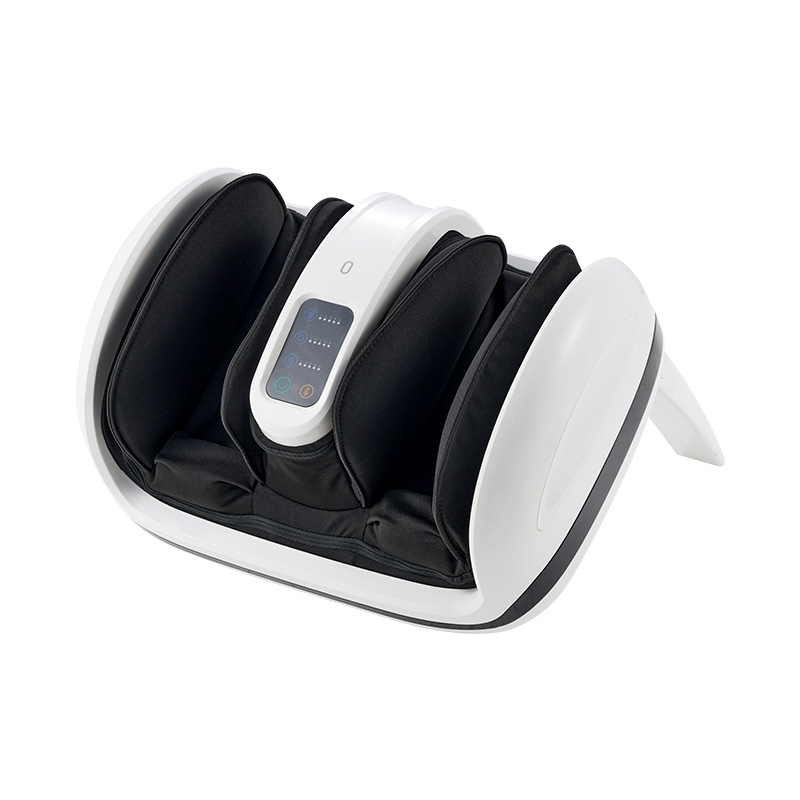
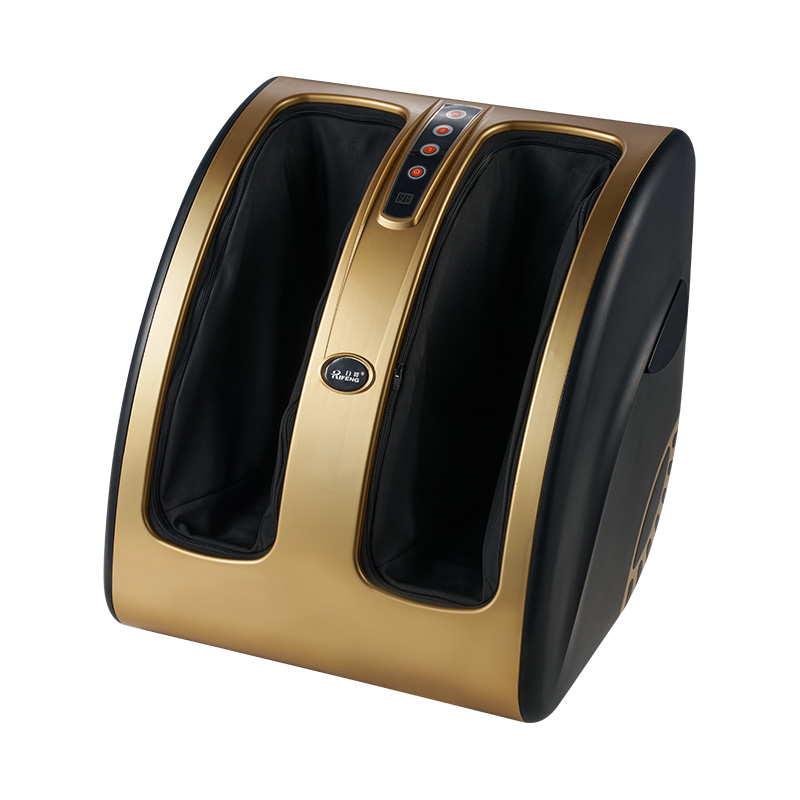
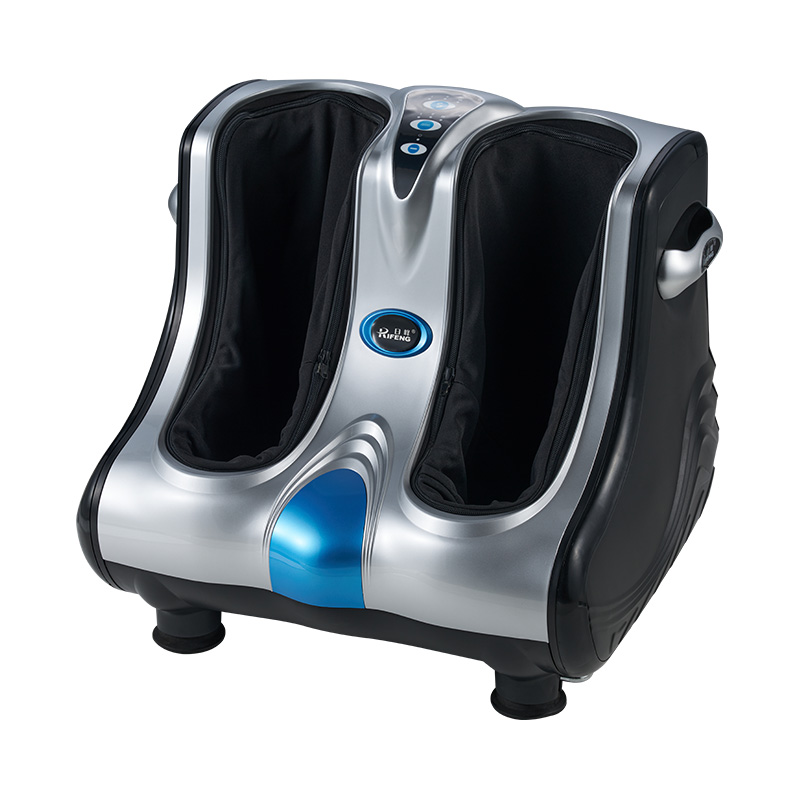
Traditional foot massage devices often concentrate their action beneath the soles. Newer enclosed designs approach the foot from several directions at once. A Fully Wrapped Shiatsu Foot Massager can combine bottom rollers with pressure around the instep, sides, heel, and sometimes the ankle. This structural difference changes how pressure is distributed and can make the massage feel more enclosed than an open-platform design.
What Does “Full Foot Coverage” Actually Mean?
Full coverage does not simply mean adding more rollers. It refers to extending the massage area beyond the underside of the foot. Product designs commonly divide the foot into several contact zones.
- Sole: Rotating rollers or nodes create kneading and rolling movements beneath the foot.
- Arch: Curved mechanical components can follow the central shape of the sole.
- Heel: Dedicated pressing areas can add localized contact around the rear foot.
- Instep: Air chambers can squeeze the upper portion rather than leaving it exposed.
- Sides and toes: Extended internal padding or compression chambers can create additional surrounding pressure.
Homedics describes its Shiatsu Air Deluxe model as providing coverage from heel to toe and from the top to the bottom of the foot, combining deep-kneading rollers with air compression.
Why Does the Top of the Foot Matter?
Rollers beneath the sole cannot directly press the top of the foot. This leaves a noticeable difference between open and enclosed massage designs. Air compression helps fill that gap by creating pressure around the instep.
Such compression works through repeated inflation and release. Rather than maintaining fixed pressure, the airbags create a rhythmic squeezing sensation around the enclosed section. Products currently available commonly offer several compression levels, allowing users to change how firmly the foot is held.
- Open design: Concentrates mechanical contact beneath the sole.
- Partial wrap: Adds pressure around selected sections such as the instep.
- Full wrap: Surrounds more of the foot and creates a stronger enclosed sensation.
Do Rollers Feel Different Inside a Wrapped Structure?
Yes. A roller can provide direct movement under the sole, while surrounding compression holds the foot against the internal massage surface. This creates a combined mechanical experience rather than two completely separate functions.
Current full-foot models demonstrate this combination through multiple massage mechanisms. Some products use deep-kneading rollers together with air compression, while others add vibration and rotating nodes. One current 6D design, for example, covers the toes, arches, soles, heels, and ankles while providing three massage modes and three intensity levels.
- Rolling: Creates moving contact under the sole.
- Kneading: Uses rotating nodes to create deeper localized movement.
- Compression: Squeezes the foot from the sides or upper surface.
- Vibration: Adds another layer of repetitive mechanical movement.
Could Full Coverage Feel Too Strong?
More coverage does not automatically mean greater comfort. Enclosing the foot creates contact across a larger area, so pressure control becomes particularly important. Users have different preferences regarding squeezing force and roller intensity.
Product specifications show why adjustable settings matter. Current models can provide three kneading levels and three compression levels, while some newer designs offer up to nine combined intensity settings.
- Low intensity: Provides a lighter enclosed sensation.
- Medium intensity: Balances mechanical kneading with moderate compression.
- High intensity: Produces firmer roller contact and stronger surrounding pressure.
Separate controls for kneading and compression can also be useful because users may prefer strong sole movement with lighter pressure around the instep, or the opposite combination.
Does Heat Work Better With a Full-Wrap Design?
Heat can complement an enclosed structure because warmth remains around a larger portion of the foot instead of being limited to the bottom surface. Current products vary considerably in temperature and control design. One full-foot model lists heating between 104°F and 122°F, while another design provides heat around 113°F.
Independent heat control is useful here. Users can operate kneading and compression without heat, or add warmth alongside the mechanical massage according to personal preference.
What About Different Foot Sizes?
Coverage design also raises an important fit question. An enclosed chamber needs enough internal space to accommodate different foot shapes without making the compression feel uneven.
- Foot length: Internal roller placement needs to reach the heel and forefoot effectively.
- Foot width: Flexible air chambers can accommodate some variation in foot shape.
- Instep height: Upper compression needs sufficient flexibility to avoid excessive pressure.
- Maximum shoe size: Current products range from smaller compact designs to models supporting men's US size 13.
Does Full Coverage Really Change Shiatsu Massage?
Full coverage changes the massage experience by turning the foot from a surface being pressed from below into a section surrounded by several types of contact. Rollers can work beneath the sole, while air chambers apply rhythmic pressure around the instep and sides. Heat and vibration can then add further sensory layers.
That makes the Fully Wrapped Shiatsu Foot Massager distinct from a simple vibrating or open-platform foot device. Buyers can look beyond the phrase “full coverage” and examine roller placement, compression zones, intensity controls, heating range, internal dimensions, washable liners, and coverage around the heel, arch, toes, and instep. Those details reveal much more about the actual massage experience than the product name alone.
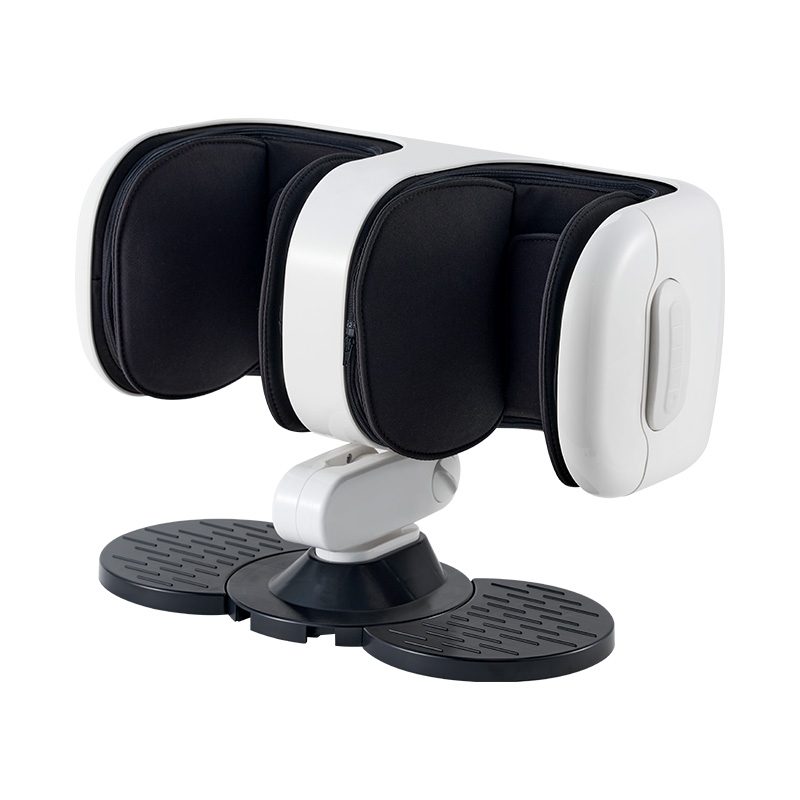
- RF-688 Detachable Lightweight Leg & Foot Massager
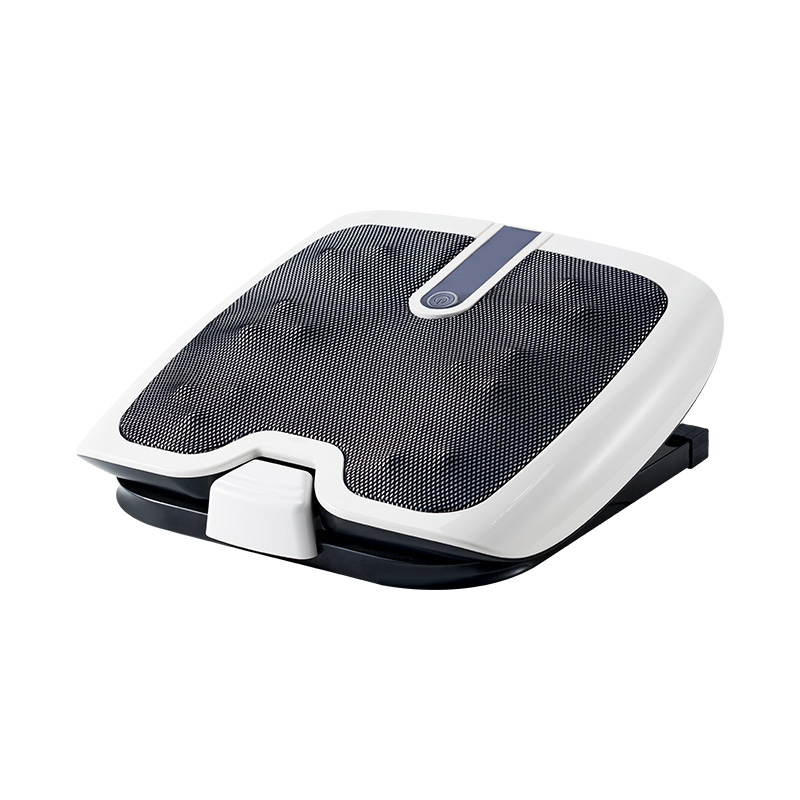
- RF-597 Deep Kneading Shiatsu Foot Massager with Heat
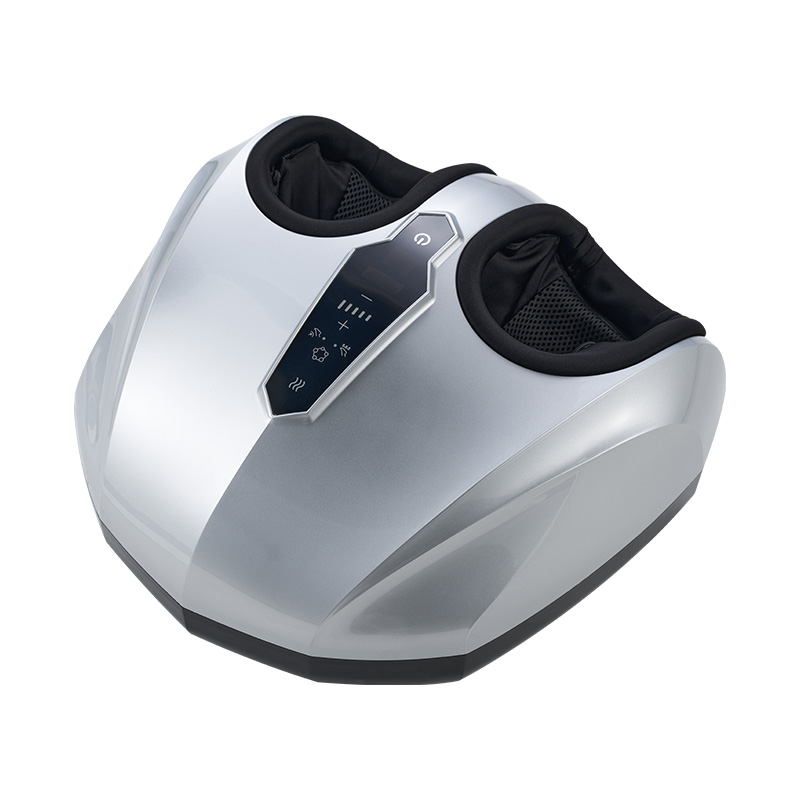
- RF-671 Full Wrapped Heat Shiatsu Foot Massager
- RF-697 Shiatsu Foot Massager with Heat and Deep Kneading
- RF-7900 Electric Air Pressure Foot and Calf Massager Machine
- RF-650 Electric Shiatsu Heating Foot Massager Machine
- RF-8200 Electric Leg and Foot Massager Machine
- RF-8700 Foot and Calf Massager For Relaxation And Stress Relief
Copyright © Zhejiang Rifeng Electrical Appliance Co., Ltd.
Foot Massager Factory
