
 English
 日本語
日本語 한국어
한국어 Deutsch
 中文简体
中文简体Professional Foot Massager: Types, Materials, and Safe Use
Types of Professional Foot Massager in the Market
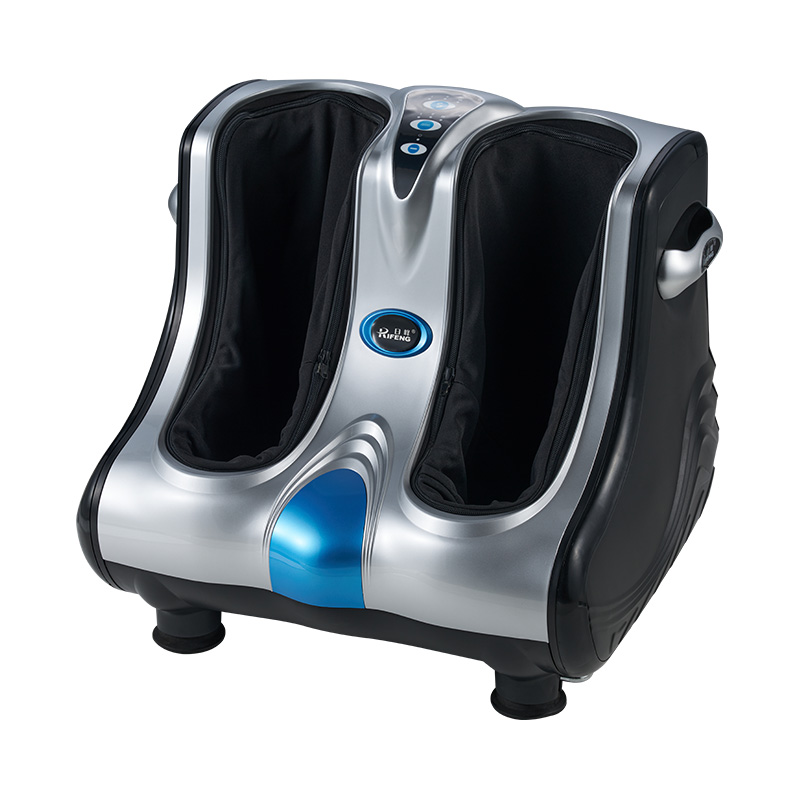
A professional foot massager is a device intended for use in clinics, spas, physical therapy centers, and high-end home settings. Unlike consumer models (under $200), professional units have more powerful motors, medical-grade materials, longer warranties, and higher weight capacities (150–200 kg). They are designed for daily use (8–12 hours per day in a spa) and often include multiple massage techniques. The following types are distinguished by massage mechanism and clinical application.
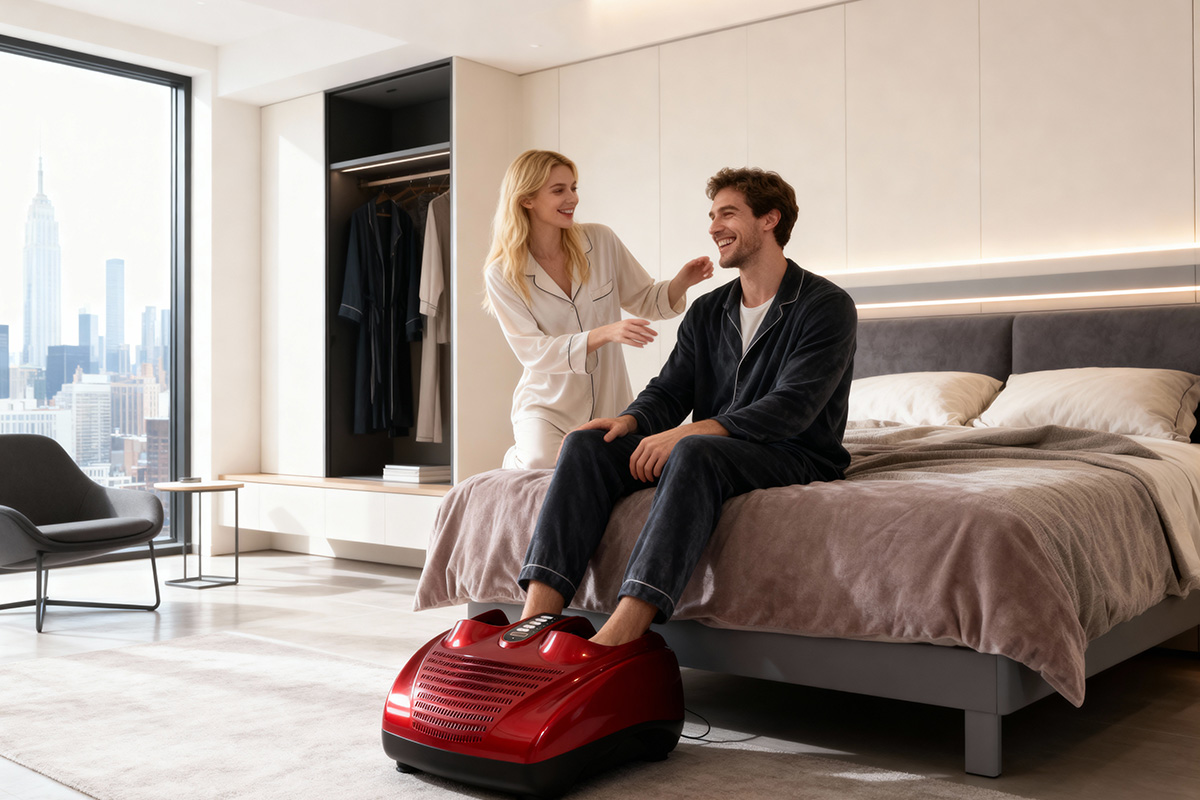
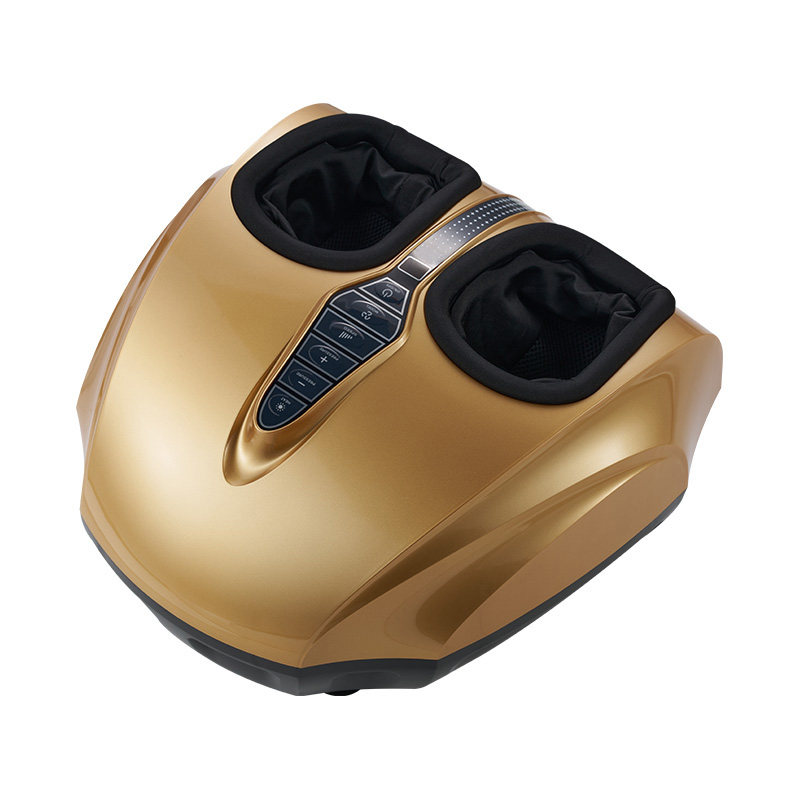
Shiatsu roller massager (deep kneading). Uses rotating nodes (usually 4–8 per foot) that mimic thumb pressure. The nodes move in a circular pattern (clockwise, counterclockwise, or figure-eight). Some have a "width adjustment" (nodes move closer or farther apart to fit different foot sizes). Professional units have motor power of 50–100 watts (vs. 20–40W for consumer). They are used for plantar fasciitis, arch tension, and general deep tissue relief. The roller material is hard plastic (ABS or polycarbonate) with a silicone or nylon cover. Intensity is adjustable (3–5 levels). Weight: 5–10 kg.
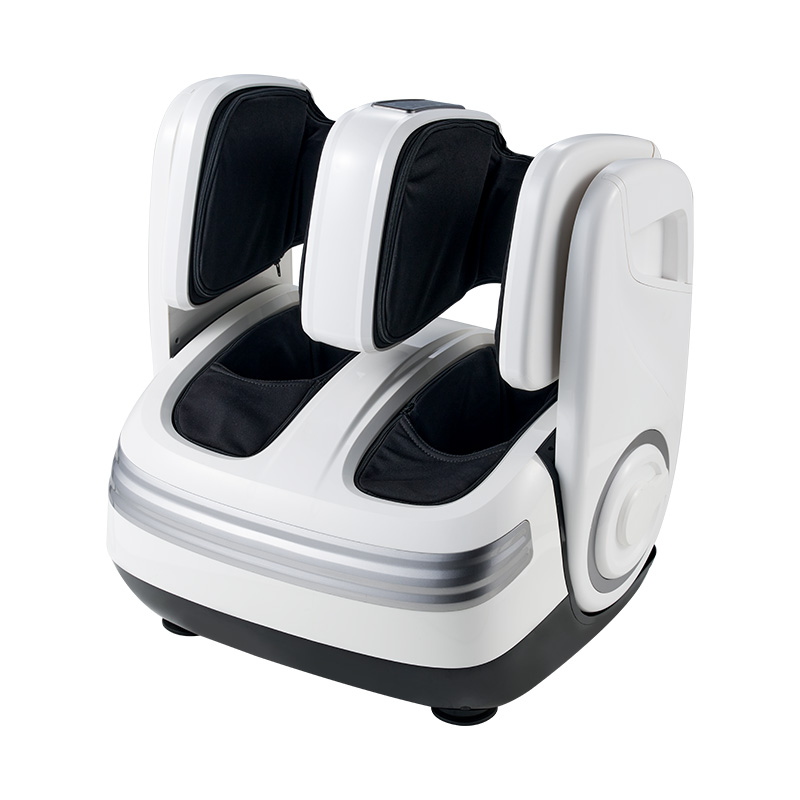
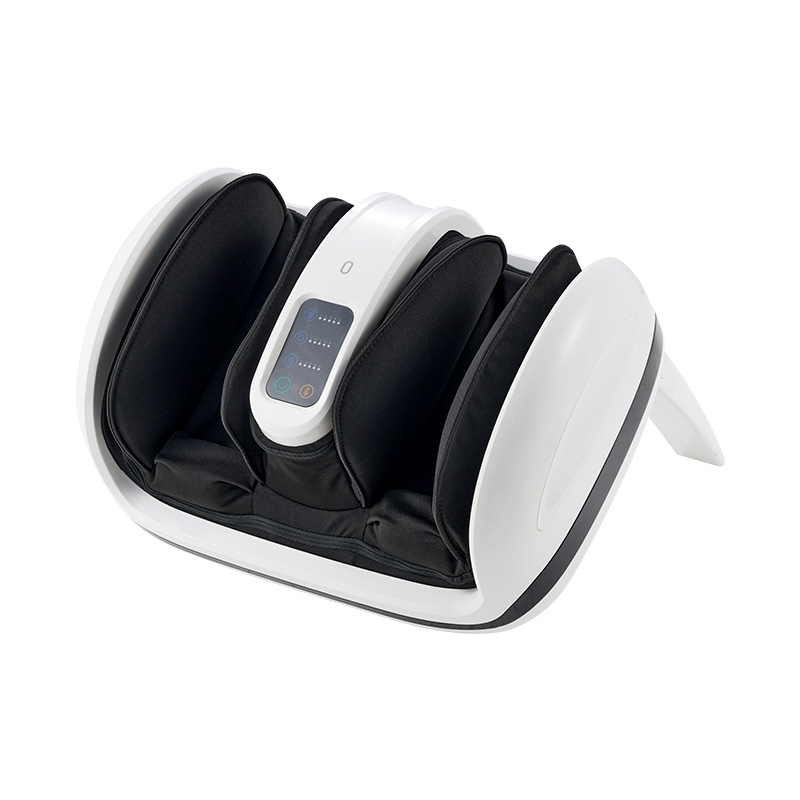
Air compression massager (sequential pressure). The foot is enclosed in a boot-like chamber with multiple air bladders (3–8 zones). The bladders inflate and deflate in sequence (e.g., from toes to heel, then heel to toes). This creates a "milking" action that pushes lymphatic fluid and blood upward. Pressure ranges from 20–200 mmHg (millimeters of mercury). Professional units are calibrated to clinical standards (e.g., for lymphedema management). The pressure is programmable (profile for different conditions). Used for edema (swelling), post-surgical recovery, and improved circulation. The boot material is medical-grade TPU (thermoplastic polyurethane) or PVC with a cotton lining. The control unit is separate (a pneumatic pump box) connected by hoses. Weight: 3–8 kg (each boot).
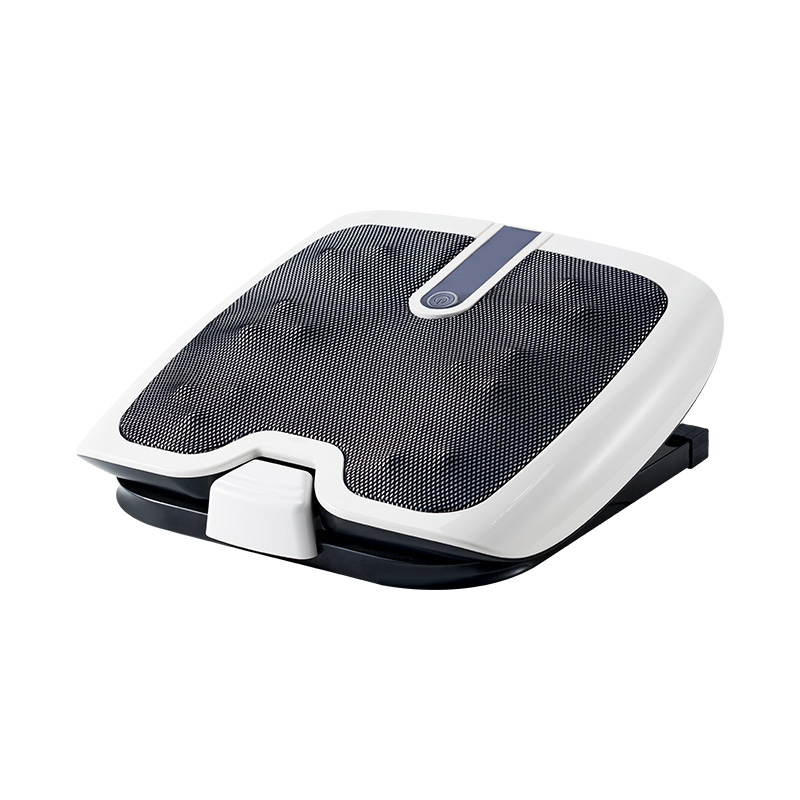
Vibration massager (oscillating plate). The feet rest on a plate that vibrates at a specific frequency (20–100 Hz). Professional units have variable frequency and amplitude (1–5 mm). Some include infrared heat (surface temperature 40–50°C). Used for improving circulation, relaxing foot muscles, and as a "warm-up" before other foot treatments (like reflexology). The vibration is generated by an unbalanced motor (similar to a sander) or by electromagnets. Professional units have a heavy steel base (8–15 kg) to prevent dancing (the massager walking across the floor). Not effective for deep tissue; mainly for surface stimulation.
Material Specifications for Professional Foot Massagers
Structural Frame – Steel vs. Heavy ABS. Professional foot massagers are built to withstand daily, often continuous, use. The internal frame for the roller mechanism is either stamped steel (2–3 mm thick) or reinforced ABS (polycarbonate-ABS blend). Steel frames (powder-coated to prevent rust) are heavier but resist cracking. A steel frame can support 200+ kg of static load (a person standing on the massager – not recommended, but possible accidentally). ABS frames (with 30% glass fiber reinforcement) are lighter and less expensive but can crack after 2–3 years of heavy use if the unit is dropped. Professional units with 2+ years of warranty almost always use steel frames. The outer housing is usually ABS (for easy cleaning) or leatherette-covered foam (for air compression boots). The housing must resist cracking from foot powders (talc, cornstarch) and oils (massage oils, lotions). ABS is resistant to both; leatherette (PVC) can be damaged by oil-based lotions (cracking over 6–12 months).
Massage Rollers – Polyacetal (POM) or Nylon with Silicone Covers. The rotating nodes (the parts that actually press your feet) are made of polyacetal (POM, also known as Delrin) or nylon 6,POM has low friction (does not need lubrication) and high wear resistance. After 500 hours of operation, POM rollers show less than 0.1 mm of wear. Nylon is slightly softer and may develop a "rough" surface after 300–400 hours. On professional units, the hard roller is often covered with a silicone sleeve (2–5 mm thick). The silicone provides a non-slip, soft feel and can be removed for cleaning (dishwasher safe). Silicone is hypoallergenic and resists bacterial growth. However, silicone sleeves wear out (crack or tear) after 6–12 months of daily use; replacement sleeves are available ($10–30 per pair). Some budget units use rubber covers – rubber degrades from foot oils (swells and becomes sticky). Avoid.
Air Bladders (Compression Massagers) – TPU (Thermoplastic Polyurethane). The inflatable bladders that squeeze the foot must be durable, flexible, and airtight. Professional units use TPU (melt temperature 150–200°C) because it resists punctures and fatigue better than PVC. TPU bladders typically last 20,000–30,000 inflation cycles (5+ years of daily use). The bladders are bonded to a nylon fabric backing (to prevent stretching). The seams are heat-sealed (not glued). A glued seam can leak after 1,000 cycles. To check quality: inflate the bladders fully; they should hold pressure for 30 minutes without noticeably deflating. If the pressure drops by more than 10% in 10 minutes, there is a leak. The air hoses (connecting the pump to the bladders) are medical-grade silicone (flexible, kink-resistant) with an outer braid of polyester (to prevent bursting). The connectors are quick-disconnect (Luer lock or similar) so the boots can be removed for cleaning.
Heating Elements – Polyimide Film or Carbon Fiber. Professional foot massagers use polyimide film heaters (0.1–0.2 mm thick) or carbon fiber heating mats (1–2 mm thick). Polyimide heaters have a uniform heat distribution (within 2°C across the footbed). They are flexible (can conform to the shape of the footbed). Carbon fiber heaters emit far-infrared (FIR) radiation and are more expensive. Both types have a built-in thermistor (temperature sensor) that feeds back to the controller. The controller keeps the temperature within ±1°C of the set point. In consumer units, the temperature control is often a simple bimetal thermostat (temperature fluctuates ±5–10°C). The heating element is embedded in a silicone or foam pad (5–10 mm thick) that provides cushioning. Over time (2–3 years), the foam compresses (loses 20–30% of thickness), reducing the perceived heat. Professional units use high-density memory foam (65 kg/m³ density) that lasts 5–7 years.
- RF-688 Detachable Lightweight Leg & Foot Massager
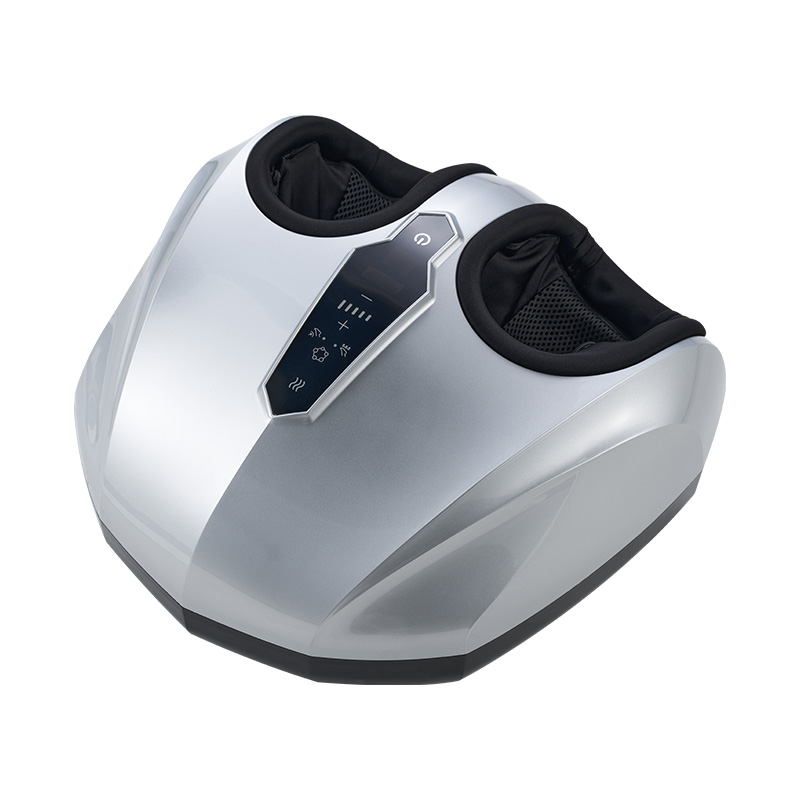
- RF-597 Deep Kneading Shiatsu Foot Massager with Heat
- RF-671 Full Wrapped Heat Shiatsu Foot Massager
- RF-697 Shiatsu Foot Massager with Heat and Deep Kneading
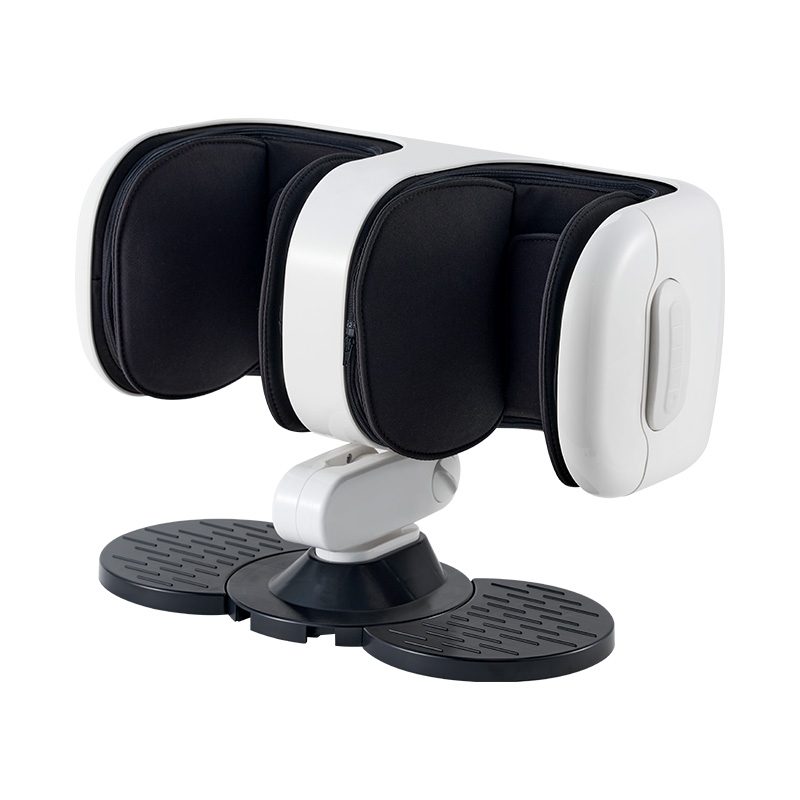
- RF-7900 Electric Air Pressure Foot and Calf Massager Machine
- RF-650 Electric Shiatsu Heating Foot Massager Machine
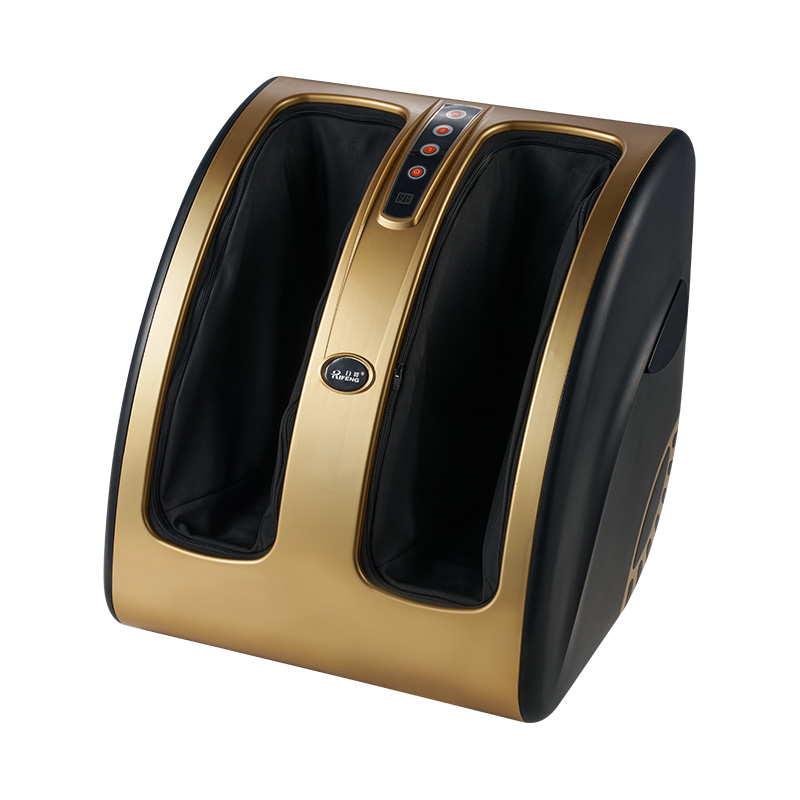
- RF-8200 Electric Leg and Foot Massager Machine
- RF-8700 Foot and Calf Massager For Relaxation And Stress Relief
Copyright © Zhejiang Rifeng Electrical Appliance Co., Ltd.
Foot Massager Factory
