
 English
 日本語
日本語 한국어
한국어 Deutsch
 中文简体
中文简体What Features Should You Look for in a Foot Relax Massager
Foot comfort has slowly become part of everyday wellness habits. Long hours of standing, walking, or even sitting in one position often leave the feet feeling tight and tired. A foot relax massager is usually chosen to ease that kind of daily pressure.
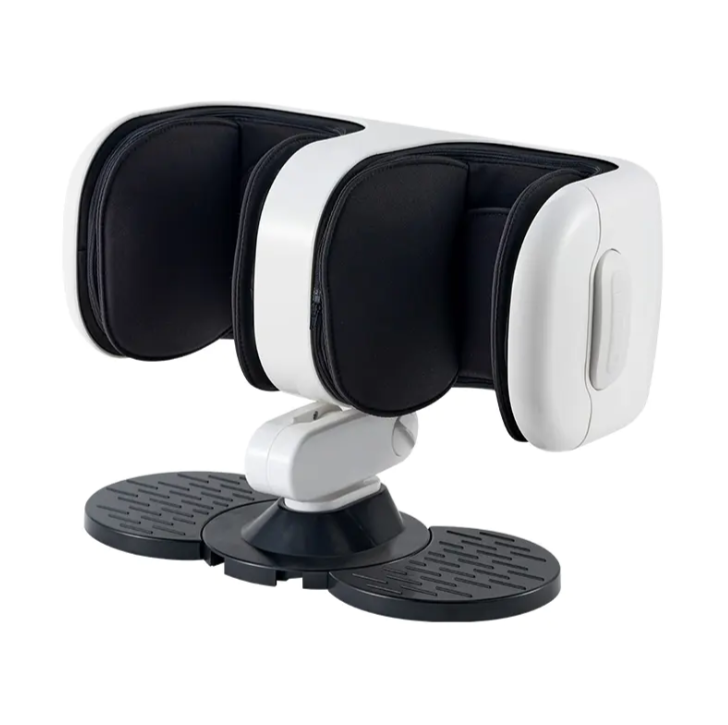
But once people start looking at different options, the situation gets less simple. Many devices look similar at first. The real differences show up only when they are used. That is where features start to matter.
Why do features matter more than how a device looks?
A foot massager can look neat on the outside and still feel very different in use. The appearance does not always reflect the actual experience.
What really matters is how the device behaves once it is turned on. Some feel steady and predictable. Others feel a bit uneven or limited after repeated use.
Features shape that experience in quiet ways. They influence comfort, ease of use, and how natural the routine feels over time. A small design choice can change how often the device is actually used.
What kind of massage feel is suitable for regular use?
The "feel" of a foot massager is usually the thing people notice. It can be light, balanced, or more intense. There is no single direction that works for everyone.
Some users prefer a soft rhythm that feels steady and calm. Others like a stronger sensation that feels more active. Both approaches exist for a reason.
A simple way to understand the difference:
| Massage feel | How it usually feels | When it is often used |
|---|---|---|
| Light rhythm | Gentle and steady | Daily relaxation |
| Mixed motion | Shifting pressure | After long walking or standing |
| Strong contact | More noticeable pressure | Occasional deep relief |
Comfort is not only about strength. It is more about whether the feeling stays pleasant over time. A strong setting might feel interesting at first, but not always comfortable for repeated use.
Does adjustability really change the experience?
Adjustability often becomes more important than expected. Feet do not feel the same every day. Some days feel more sensitive, while others feel more tense.
A device with flexible settings allows small changes without replacing the entire experience. It can feel softer one day and more active the next.
Adjustability usually shows up in simple ways:
- Different intensity levels
- Switchable modes
- Flexible session length
Without these options, the experience can feel fixed. That might work for a short period, but over time it can feel limiting.
Why is warmth often included in foot massagers?
Warmth is commonly added to foot relaxation devices because it changes the overall feeling of use. It is not just a feature, but part of the comfort experience.
A mild warming sensation can make the massage feel smoother. It can also help the feet feel less tense during longer sessions.
Still, not everyone prefers heat. Some people like a neutral feeling without temperature changes. That is why controlled warmth matters more than strong heat.
When heating is included, it should feel steady. Sudden changes or uneven warmth can make the experience less comfortable instead of better.
How does size affect everyday usability?
Size is something people often overlook when choosing a foot massager. It only becomes noticeable when the device is placed at home.
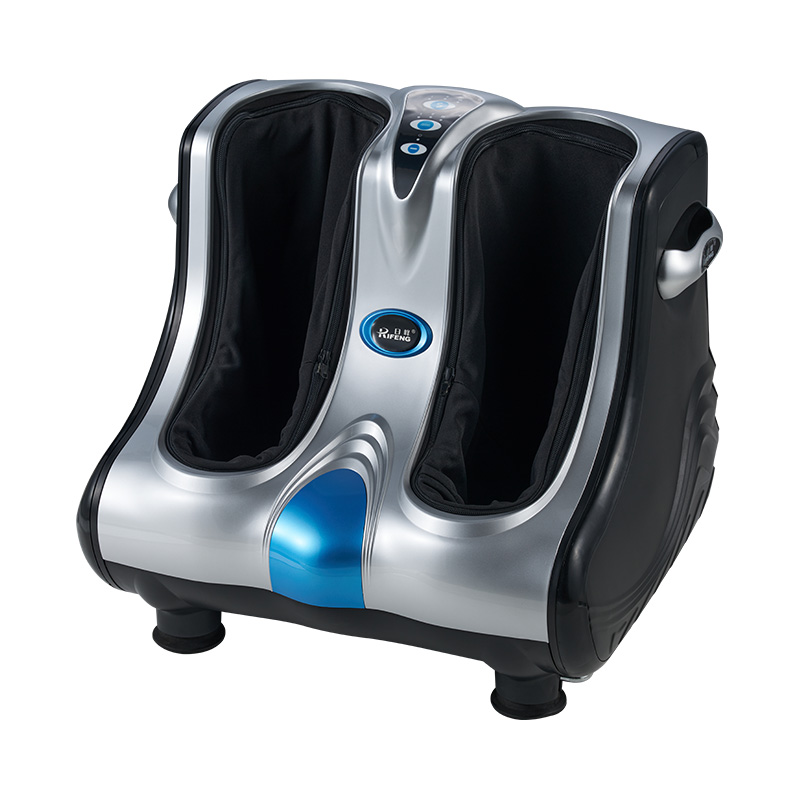
A compact shape is easier to move and store. A larger structure may feel more stable but takes up more space. The choice depends more on living habits than on the device itself.
Here is a simple comparison:
| Design aspect | Practical impact |
|---|---|
| Compact build | Easier to store and move |
| Wider base | More stability during use |
| Soft interior | More comfort during contact |
| Firm outer frame | Better structure over time |
If a device is difficult to place or move, it often ends up being used less frequently, even if the features are good.
Why does control design affect daily experience?
Controls are not always the focus during selection, but they shape how easy the device feels to use.
A simple control setup usually makes the experience smoother. It reduces the need to check instructions every time. Instead, adjustments become natural.
Some devices use direct buttons, while others have more layered controls. The difference shows up in daily use, not just at the beginning.
If changing settings feels complicated, people tend to stick to one mode. That reduces the value of having multiple features in the place.
What safety-related functions are worth noticing?
Safety features are not always visible, but they play an important role in daily use. They help the device operate in a stable and predictable way.
Common safety-related aspects include:
- Automatic stopping after a period of use
- Stable structure to avoid shifting during operation
- Controlled pressure application
- Even distribution of contact points
These features are not about performance. They are more about keeping the experience steady and comfortable without requiring attention.
When a device behaves predictably, it feels easier to relax during use.
How does material feel influence long-term comfort?
The surface that touches the feet has a direct impact on comfort. Even small differences in texture can be noticeable over time.
A softer interior usually feels more comfortable during longer sessions. A firmer structure may feel more supportive but slightly less gentle.
What matters is consistency. If the feel changes too much over time, the experience can feel less stable.
A simple breakdown:
| Material aspect | User experience |
|---|---|
| Soft inner surface | More comfort during contact |
| Stable outer shell | Structural support |
| Even texture | Predictable feeling |
| Balanced firmness | Long-term usability |
Comfort is not only about softness. It is also about whether the feel remains steady after repeated use.
Why does timing control matter in daily use?
Timing control helps shape how long a session lasts. Without it, usage can feel open-ended.
With timing control, the experience becomes more structured. A short break can have a short session. A longer rest can allow a longer one.
This helps avoid overuse and keeps the routine balanced without needing constant attention.
It also makes the device easier to fit into daily habits, rather than feeling like an extra task to manage.
How do different users prioritize different features?
Not everyone uses a foot massager in the same way. Some use it daily after work. Others use it occasionally during rest periods.
Because of this, feature importance changes from person to person.
For example:
- Regular users often care more about adjustability
- Occasional users may focus on simplicity
- Sensitive users prefer gentle operation
- Active users may prefer stronger sensations
There is no single correct setup. The right choice depends on how the device fits into real habits, not just its list of features.
What makes a foot massager feel easy to live with?
A foot massager becomes part of daily life when it does not require much effort to use. It is not about complex functions. It is about how naturally it fits into routine moments.
If it is easy to place, simple to control, and comfortable to use without adjustment every time, it tends to be used more often.
Over time, the value of such a device is not defined by how many features it has, but by how smoothly it blends into everyday rest moments without disruption.
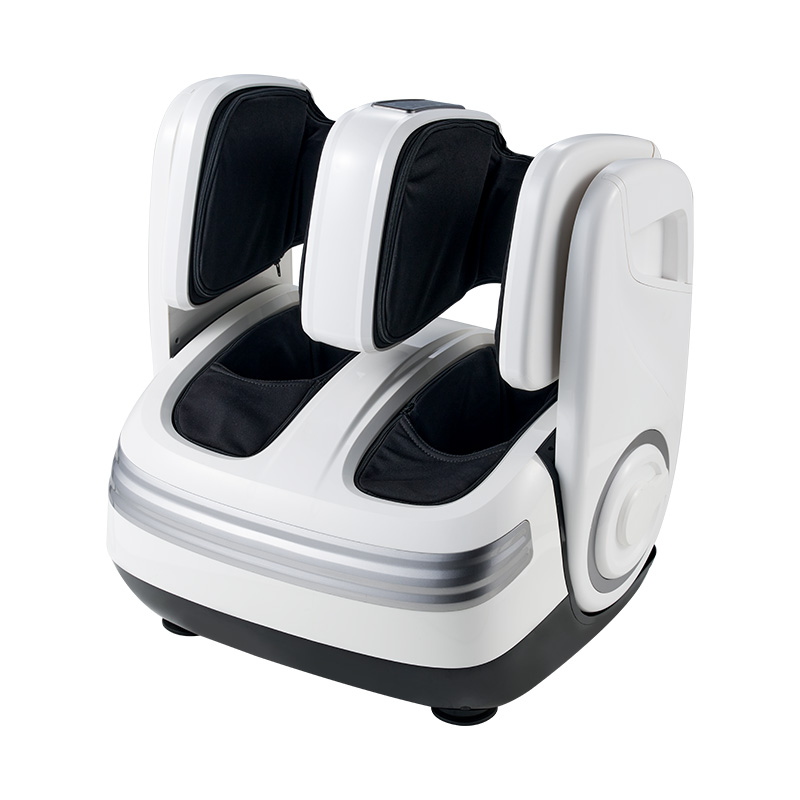
- RF-688 Detachable Lightweight Leg & Foot Massager
- RF-597 Deep Kneading Shiatsu Foot Massager with Heat
- RF-671 Full Wrapped Heat Shiatsu Foot Massager
- RF-697 Shiatsu Foot Massager with Heat and Deep Kneading
- RF-7900 Electric Air Pressure Foot and Calf Massager Machine
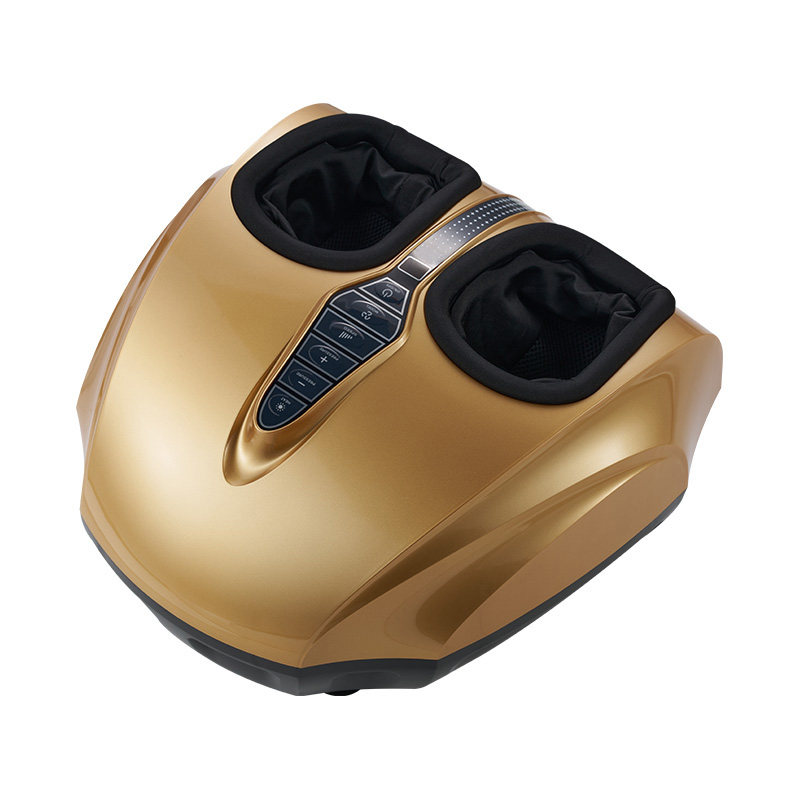
- RF-650 Electric Shiatsu Heating Foot Massager Machine
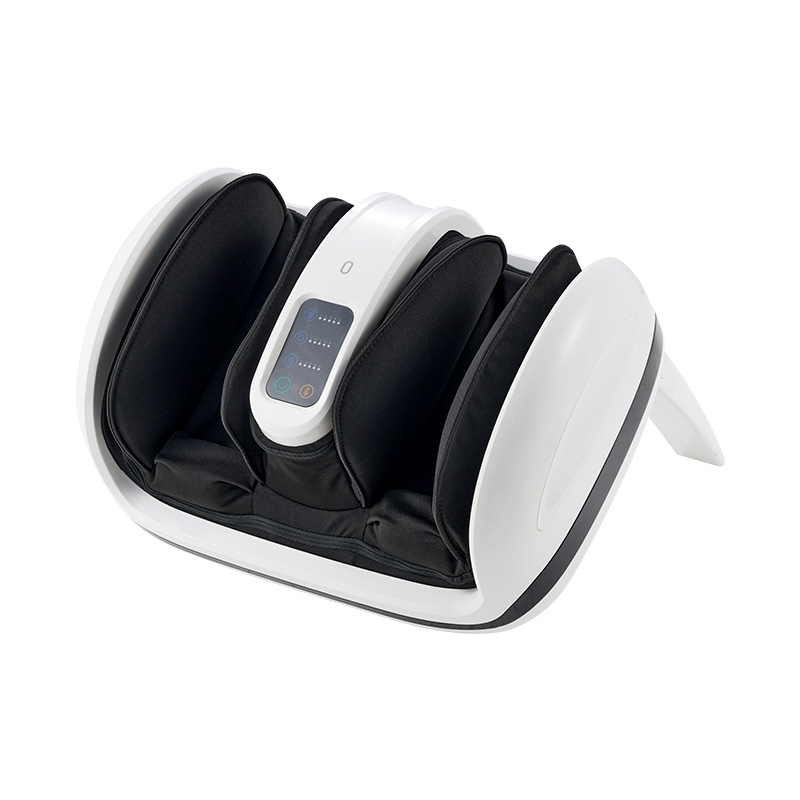
- RF-8200 Electric Leg and Foot Massager Machine
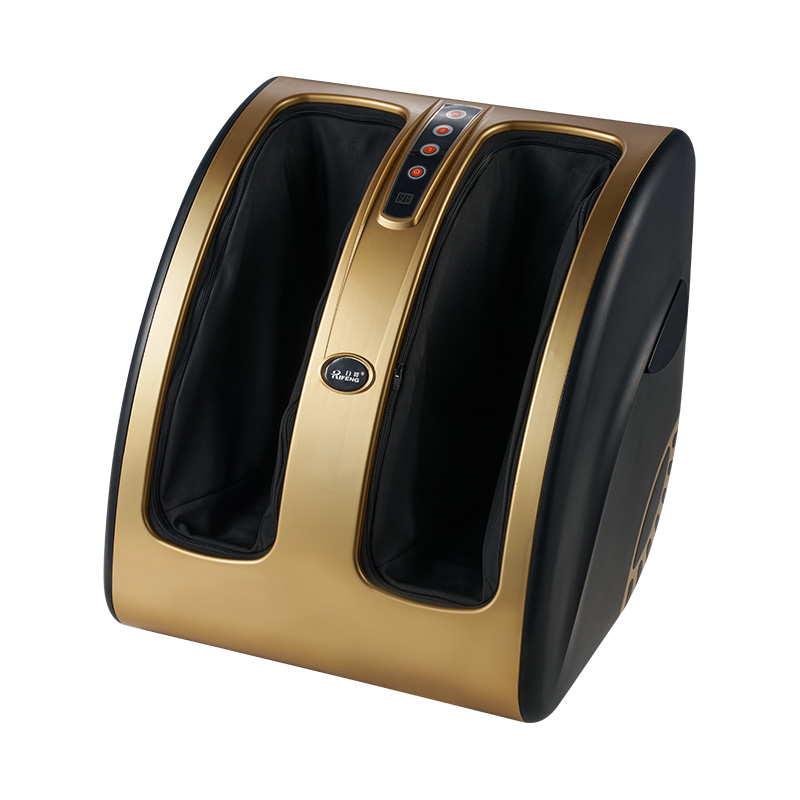
- RF-8700 Foot and Calf Massager For Relaxation And Stress Relief
Copyright © Zhejiang Rifeng Electrical Appliance Co., Ltd.
Foot Massager Factory
