
 English
 日本語
日本語 한국어
한국어 Deutsch
 中文简体
中文简体What Makes Professional Foot Massager Factory Equipment Different
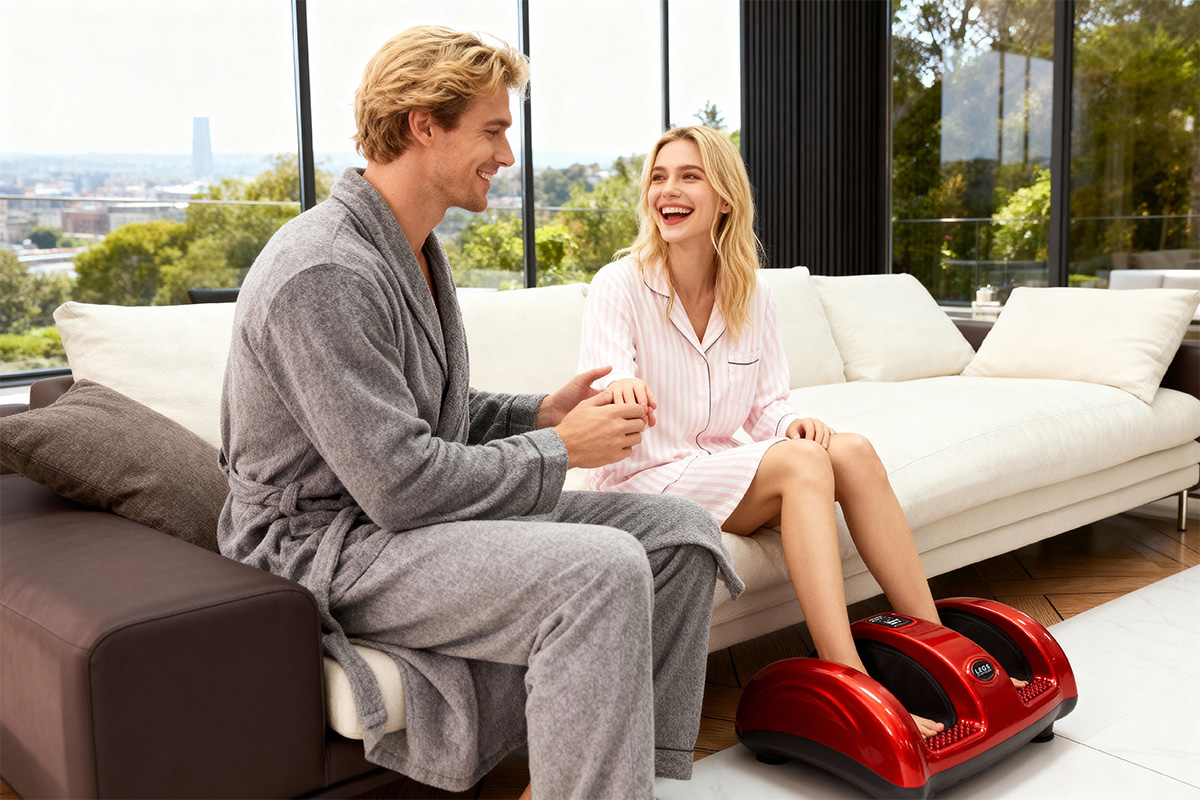
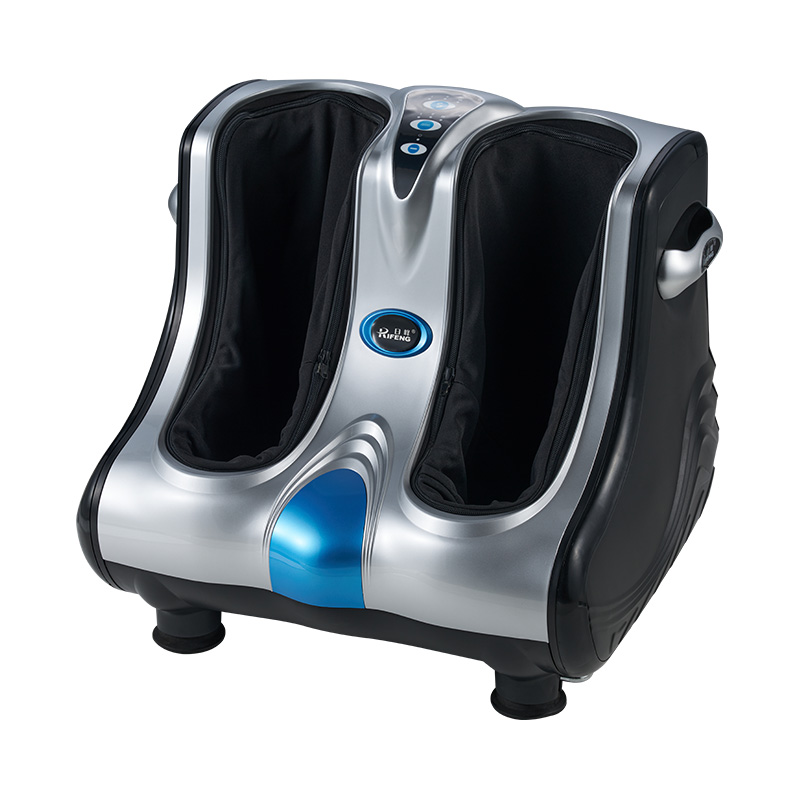
Professional-grade Foot Massager Factory equipment attracts attention from physiotherapy clinics, spas, and rehabilitation centers because buyers expect more than simple relaxation. Unlike consumer home devices, professional machines are engineered for durability, precision, and therapeutic consistency. Users often inquire about production scale, component quality, and the engineering innovations that justify higher investment. Understanding these distinctions can help buyers evaluate whether a factory’s output meets clinical or commercial expectations.
Precision Engineering and Component Quality
Professional foot massagers are distinguished primarily by their internal engineering. Components are selected for long-term durability and precise control of massage parameters. Key aspects include:
- High-torque motors with consistent rotational force for kneading and rolling mechanisms
- Dual-zone airbags with adjustable inflation rates ranging from 35 to 60 kPa
- Multi-layer pressure rollers designed to mimic reflexology techniques
- Advanced control electronics allowing programmable massage sequences with timing and intensity adjustments
Unlike consumer devices, these machines are tested to maintain consistent output over thousands of cycles. Factory-level quality control includes tolerance checks for motors, air pumps, and electronic boards, reducing variation between units.
Safety and Compliance Standards
Professional equipment is subject to more rigorous safety and compliance checks. Factories producing commercial-grade devices typically adhere to:
- CE or UL certification for electrical safety
- RoHS compliance for non-toxic material usage
- ISO9001 quality management procedures ensuring repeatable performance
- Built-in safety features like overheat cutoffs, surge protection, and automatic shutdown timers
These precautions reduce risk in environments where devices operate for multiple hours daily. Clinics and wellness centers often require these certifications to meet regulatory standards for public use.
Customizable Programs and Therapy Modes
A defining characteristic of professional foot massagers is flexibility in therapy programs. Factories can configure equipment with:
- Multiple massage modes combining kneading, rolling, vibration, and air compression
- Adjustable intensity levels for different patient sensitivities
- Heat zones targeted to specific foot areas, typically 40–50°C
- Oscillation frequencies calibrated for specific therapeutic goals such as plantar fasciitis relief, circulation enhancement, or nerve stimulation
Professional devices also allow programmable session durations, making them suitable for both short recovery sessions and extended relaxation cycles.
Material and Structural Enhancements
Material selection is critical for machines expected to endure high-traffic commercial usage. Professional factories often employ:
- Reinforced ABS or polycarbonate housings for structural integrity
- EVA foam or medical-grade silicone padding for comfort and hygiene
- Anti-slip rubber bases to ensure stability during operation
- Easily cleanable surfaces to maintain sanitation standards
These choices contrast with home-use devices, which may rely on simpler plastics and less resilient internal structures.
Production Consistency and Batch Control
Professional factories implement production strategies to maintain uniform performance across large volumes. This includes:
- Pre-assembly testing of motors, air pumps, and heating elements
- Batch-level calibration to standardize massage intensity
- Detailed inspection of assembly tolerances and component alignment
- Documented quality control reports for each production run
Consistency ensures that multiple units purchased by clinics or spas deliver identical experiences, a feature less emphasized in consumer-oriented factories.
Maintenance and Longevity
Professional equipment is engineered for frequent use. Factories design components for easy maintenance and replacement, including:
- Modular air pumps and motor units for quick servicing
- Easily detachable covers for hygiene cleaning
- Accessible circuit boards to address electrical issues without complete disassembly
These design decisions extend operational lifespan and reduce downtime, which is critical in commercial environments.
Differentiating Professional Devices from Consumer Products
Users often notice differences in performance and sensation between professional and home devices:
- Stronger, more consistent kneading pressure
- Quieter operation due to noise-reduction engineering
- Long-term reliability over thousands of operating hours
- Adjustable programs catering to specific therapeutic needs rather than generalized comfort
In essence, professional-grade machines prioritize repeatable clinical outcomes over short-term convenience.
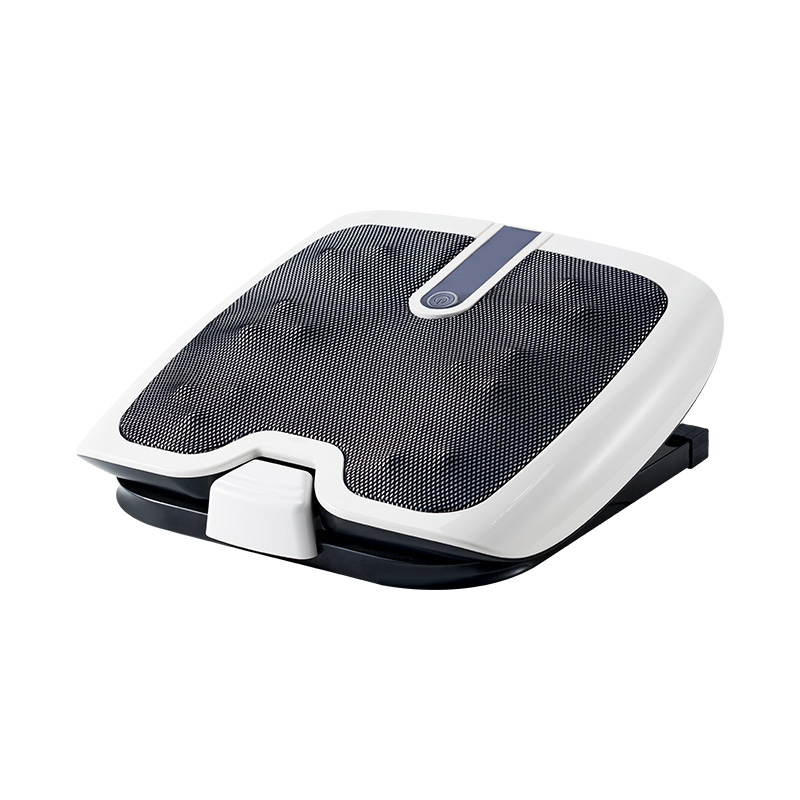
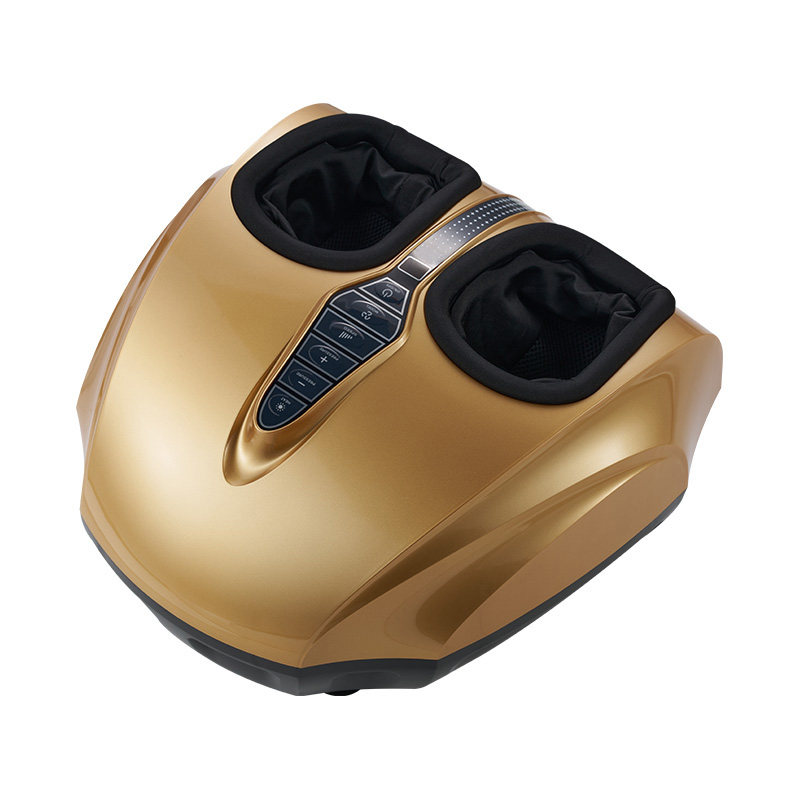
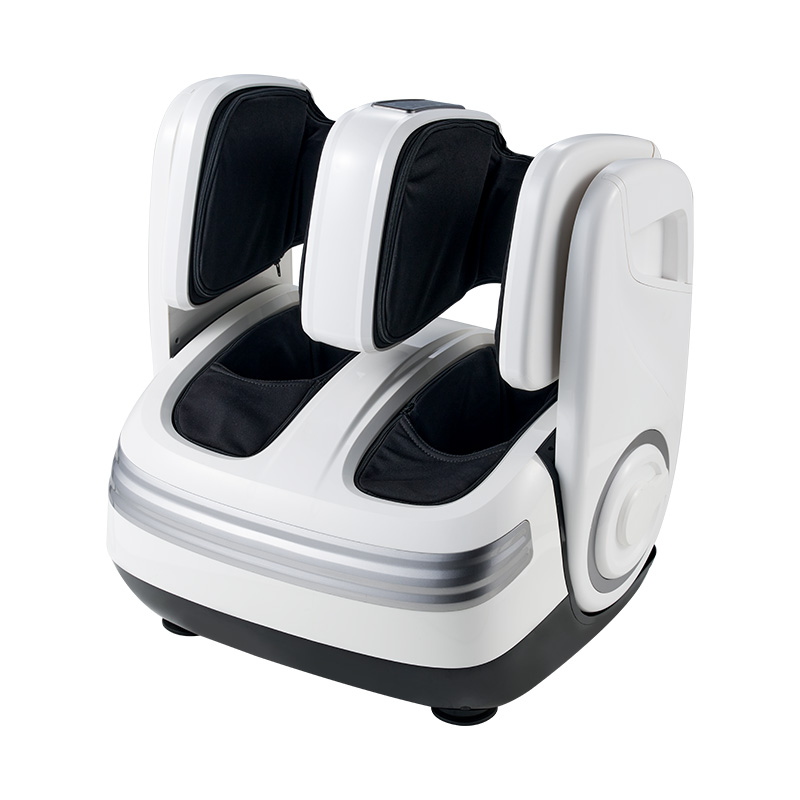
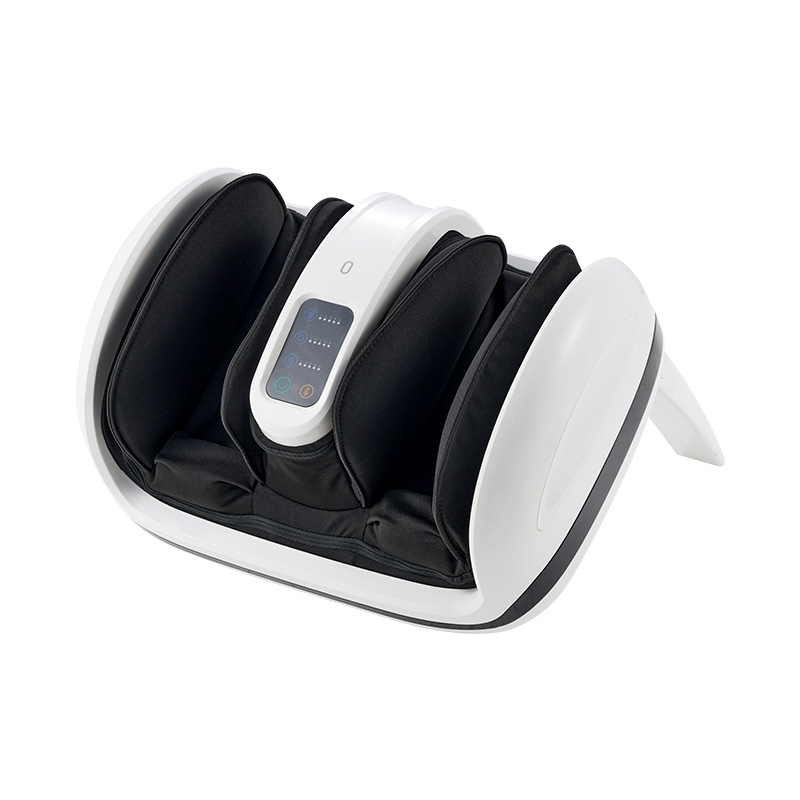
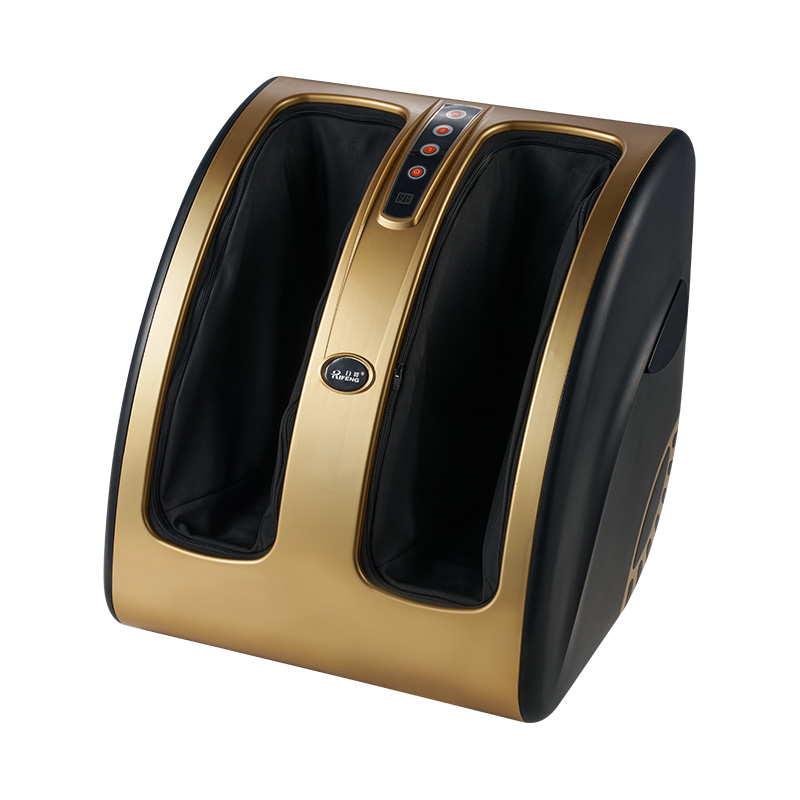
- RF-688 Detachable Lightweight Leg & Foot Massager
- RF-597 Deep Kneading Shiatsu Foot Massager with Heat
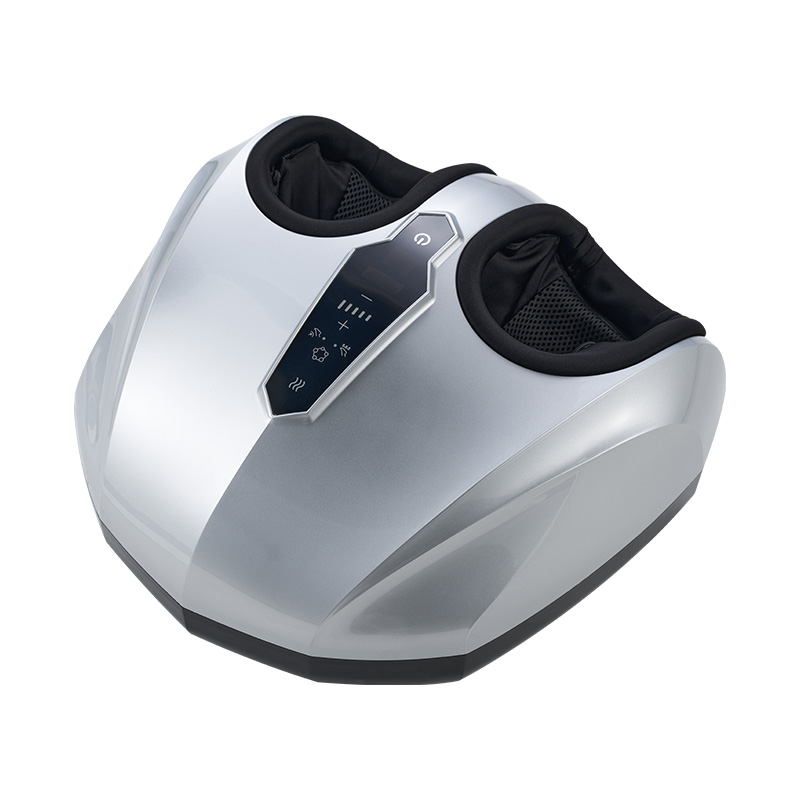
- RF-671 Full Wrapped Heat Shiatsu Foot Massager
- RF-697 Shiatsu Foot Massager with Heat and Deep Kneading
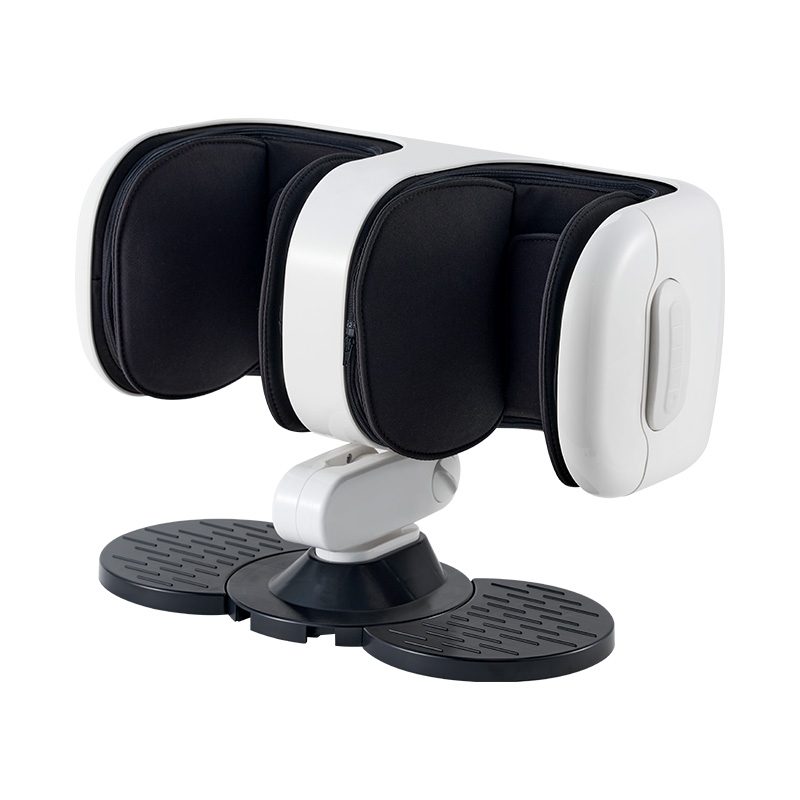
- RF-7900 Electric Air Pressure Foot and Calf Massager Machine
- RF-650 Electric Shiatsu Heating Foot Massager Machine
- RF-8200 Electric Leg and Foot Massager Machine
- RF-8700 Foot and Calf Massager For Relaxation And Stress Relief
Copyright © Zhejiang Rifeng Electrical Appliance Co., Ltd.
Foot Massager Factory
