
 English
 日本語
日本語 한국어
한국어 Deutsch
 中文简体
中文简体Can Acupressure Foot Massager Factory Devices Replace Therapy
Interest in Acupressure Foot Massager Factory production often comes from a very specific user question: can these devices genuinely substitute manual therapy or clinical treatment, or do they remain comfort-oriented consumer tools? Across B2B sourcing channels and consumer discussions, expectations are often shaped by marketing terms like “reflexology,” “deep stimulation,” or “nerve activation,” which can blur the line between wellness devices and therapeutic equipment.
Real-world usage feedback and technical breakdowns show a wider gap between perception and engineering reality. The following sections analyze what these devices actually deliver from a manufacturing and functional standpoint.
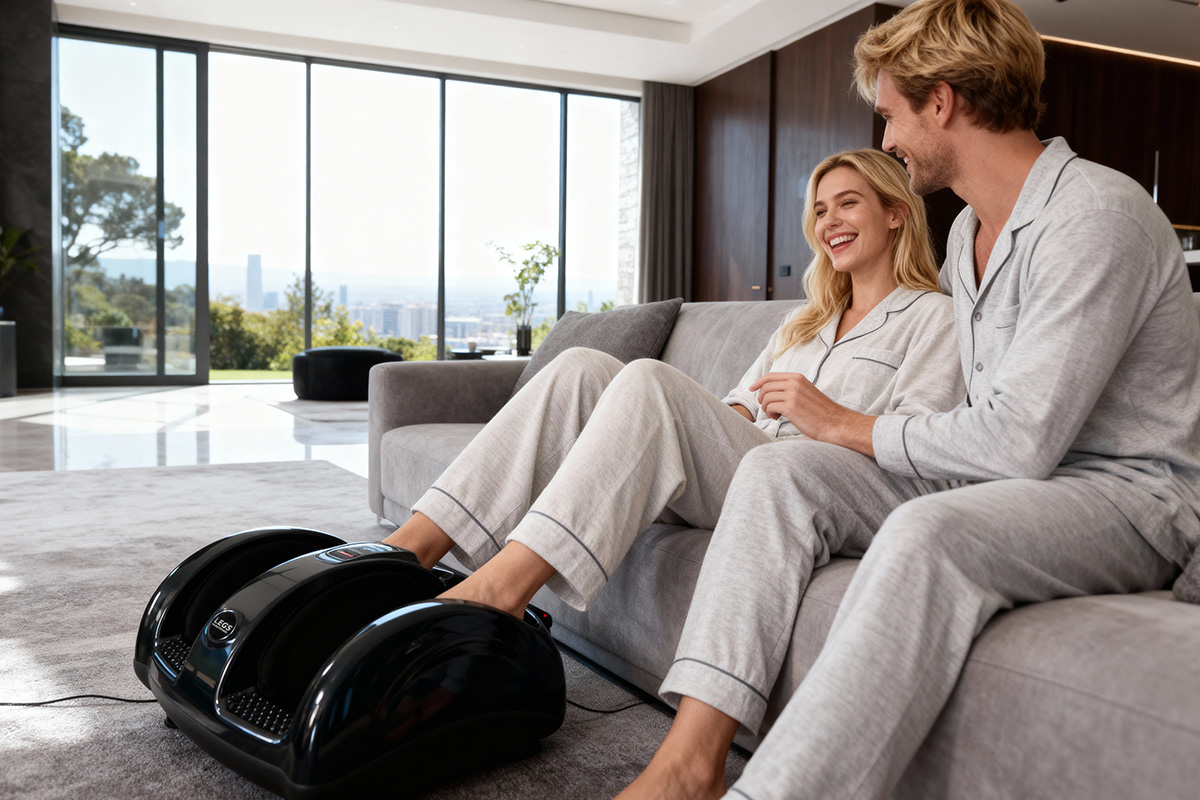
Mechanical Stimulation vs Clinical Therapy Claims
Most acupressure-style foot massagers rely on mechanical pressure nodes, air compression systems, or vibration modules. These systems simulate reflexology-style stimulation but do not replicate clinical manual therapy techniques performed by trained professionals.
Common internal structures include:
- Rotating massage heads applying 30–80 RPM motion cycles
- Airbag compression systems operating at 40–60 kPa pressure range
- Static pressure plates with molded acupressure points
- Heating elements typically maintained between 40°C–45°C
These parameters are designed for comfort and circulation stimulation rather than targeted musculoskeletal correction. Consumer reports often describe the sensation as “relaxing” or “temporary relief,” which aligns with surface-level neuromuscular activation rather than structural therapy outcomes.
Research discussions around similar devices also highlight that consumer foot massagers generally provide short-term circulatory stimulation rather than deep tissue rehabilitation effects .
Neuromuscular Stimulation Technology Expectations
Some Acupressure Foot Massager Factory products integrate EMS or TENS-like features, promoting claims related to nerve activation or muscle recovery. User curiosity often centers on whether these electrical stimulation systems can replace physiotherapy.
Typical EMS specifications in consumer-grade devices:
- Pulse frequency: 1–100 Hz adjustable range
- Intensity levels: 10–20 incremental settings
- Output voltage: low-voltage DC safety design
- Session duration: auto shut-off after 15–30 minutes
While EMS creates visible muscle contraction, the effect is localized and temporary. Forum discussions frequently describe sensations such as tingling, pulsing, or mild fatigue, which are considered normal responses to electrical stimulation rather than indicators of long-term therapeutic change.
Clinical-grade therapy, by contrast, relies on professional calibration and diagnostic oversight, which consumer devices cannot replicate.
Safety Boundaries and Misuse Risks
Another key concern surrounding acupressure-based foot massagers is safe usage limits. Manufacturers often design devices for general wellness, yet users may extend usage beyond recommended durations.
Reported risk factors include:
- Excessive session time beyond 20–30 minutes
- High heat settings causing skin irritation or burns
- Strong pressure modes can cause bruising in sensitive users
- Use by individuals with reduced foot sensation
Medical commentary notes that individuals with neuropathy or circulatory conditions may not perceive excessive pressure or temperature accurately, increasing the risk of unnoticed tissue damage.
Additional caution applies to users with vascular issues, open wounds, or unstable blood pressure, where mechanical stimulation can amplify complications rather than relieve symptoms.
Factory Production Standards and Build Variation
From a manufacturing perspective, Acupressure Foot Massager Factory output varies significantly depending on production tier and component sourcing.
Typical factory-level distinctions include:
- Entry-level lines using generic vibration motors and simplified PCB boards
- Mid-tier production integrating dual-motor systems for kneading and compression
- Higher-tier OEM setups featuring programmable massage cycles and multi-zone control systems
Housing materials are commonly ABS plastic with internal steel reinforcement frames. Cushion layers often use EVA foam or silicone gel inserts to simulate pressure-point feedback.
Quality variation is frequently linked to:
- Motor sourcing consistency
- PCB design stability
- Air pump durability in compression models
- Heat element insulation quality
These differences directly influence product lifespan, which typically ranges from 1 to 3 years depending on usage frequency and build grade.
User Experience vs Functional Reality
Consumer discussions often reveal a consistent pattern: initial strong satisfaction followed by a gradual perception of reduced effectiveness. This is not necessarily product degradation but sensory adaptation.
Common feedback patterns include:
- Strong relaxation response in early use sessions
- Reduced sensation intensity after repeated use
- Preference for combining massage with stretching or soaking routines
- Temporary relief rather than lasting correction of discomfort
These observations align with the design intent of acupressure devices, which focus on short-cycle relaxation rather than structural therapy outcomes.
OEM Development and Market Positioning
Factories producing acupressure foot massagers often serve global OEM markets, where branding and feature customization are more influential than mechanical innovation.
Typical OEM offerings include:
- Logo engraving and private label packaging
- Adjustable massage programs via firmware configuration
- Color and material customization
- Regional voltage adaptation (110V / 220V compatibility)
MOQ levels commonly range between 300 and 1,500 units depending on customization depth. Production delivery times vary from 7 to 25 days based on assembly complexity and certification requirements.
- RF-688 Detachable Lightweight Leg & Foot Massager
- RF-597 Deep Kneading Shiatsu Foot Massager with Heat
- RF-671 Full Wrapped Heat Shiatsu Foot Massager
- RF-697 Shiatsu Foot Massager with Heat and Deep Kneading
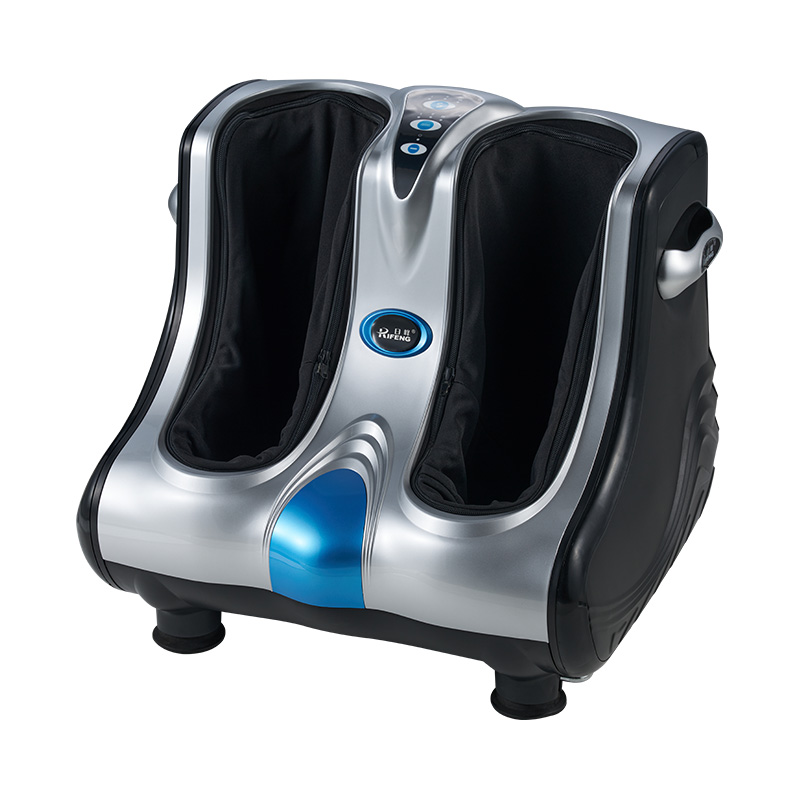
- RF-7900 Electric Air Pressure Foot and Calf Massager Machine
- RF-650 Electric Shiatsu Heating Foot Massager Machine
- RF-8200 Electric Leg and Foot Massager Machine
- RF-8700 Foot and Calf Massager For Relaxation And Stress Relief
Copyright © Zhejiang Rifeng Electrical Appliance Co., Ltd.
Foot Massager Factory
