
 English
 日本語
日本語 한국어
한국어 Deutsch
 中文简体
中文简体Are Reflexology Foot Massagers More Than Just Pressure Points
Reflexology is commonly associated with applying pressure to specific areas of the feet. Electric massage technology takes this concept further by combining pressure with rolling, kneading, pressing, heat, and adjustable movement. This raises an interesting product question: does a Reflexology Electric Foot Massage Machine simply reproduce pressure points, or can its mechanical design create a broader foot massage experience?
Pressure Points Are Only Part of the Experience
Traditional reflexology focuses on specific areas of the foot. Electric equipment approaches the foot from a mechanical perspective. Instead of relying on a person's fingers to maintain pressure at a fixed location, internal rollers and massage nodes can repeatedly travel across different sections.
- Heel contact: Firm nodes or rollers can work around the rear portion of the sole.
- Arch movement: Curved rollers can follow the shape of the arch during rotation.
- Toe stimulation: Some designs extend mechanical contact toward the forefoot and toes.
- Side coverage: Enclosed structures can add pressure around the edges of the foot.
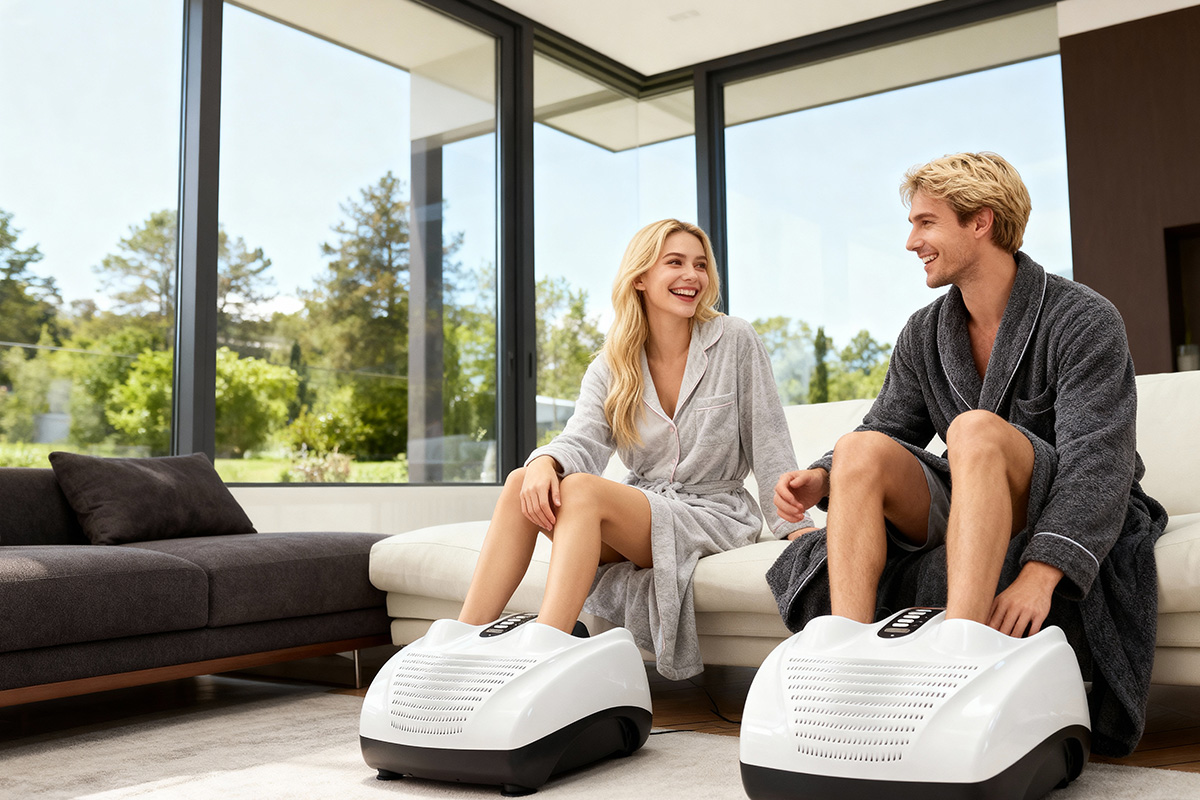
Current electric models demonstrate this broader approach. Best Choice Products describes its reflexology model as combining kneading, rolling, pressing, and warming across the arches, heels, toes, and sides of the feet.
How Do Rollers Create a Different Pattern?
Rollers give an electric foot massager a moving point of contact. Their rotation can imitate some hand-massage movements while maintaining a consistent mechanical rhythm. Roller shape, spacing, rotation direction, and speed all influence how the pressure is distributed.
- Deep roller contact: Larger nodes can create a more noticeable pressure sensation under the sole.
- Rolling movement: Continuous rotation prevents pressure from staying at exactly the same location.
- Variable speed: Different speeds can change the rhythm from gentle movement to stronger mechanical stimulation.
Some current machines provide multiple automatic programs together with adjustable speed, allowing users to change the movement pattern rather than relying on a single fixed massage sequence.
Could Heat Change the Reflexology Experience?
Heat adds another sensory layer without changing the mechanical movement of the rollers. Warmth can make the massage experience feel different from cold or room-temperature operation, especially around the sole and heel.
Product designs vary considerably. Philips, for example, combines a three-zone sole kneading system with two levels of warm compress and separate airbag massage around the instep and ankle.
- Warm compress: Adds warmth while mechanical massage continues.
- Temperature control: Different heat levels allow users to adjust the sensory intensity.
- Independent operation: Products with separate heat controls allow massage and warming to be used according to personal preference.
Does Electric Massage Need to Follow a Fixed Reflexology Map?
Not necessarily. Reflexology traditionally uses specific foot areas as reference points, but electric machines can cover larger zones through continuous mechanical movement. Cleveland Clinic notes that reflexology is based on applying different levels of pressure to specific foot areas, while also noting that evidence does not show reflexology providing greater benefits than traditional foot massage.
That distinction is useful when evaluating product claims. A Reflexology Electric Foot Massage Machine can provide pressure around commonly referenced areas, but its actual operation depends on the roller structure, node layout, movement pattern, and programmed massage sequence.
What Makes the Machine Feel More Personalized?
Adjustability can matter more than the number of features listed on the package. Users have different tolerance levels for pressure, speed, heat, and mechanical movement. Current products therefore increasingly combine several adjustable functions.
- Massage speed: Low and high settings can produce noticeably different rhythms.
- Massage direction: Reversible roller movement can change the sensation across the sole.
- Preset programs: Automatic sequences can combine several movements without constant manual adjustment.
- Intensity control: Soft and stronger settings give users more control over mechanical pressure.
- Coverage adjustment: Adjustable angles or handles can reposition the massage area for different body positions.
Human Touch's Reflex SOL, for example, offers three automatic programs, two massage speeds, adjustable intensity, heat, and optional under-foot vibration.
More Than Pressure: Where Electric Reflexology Is Heading
Modern reflexology-style foot massagers are becoming multi-mechanism devices rather than simple pressure-point tools. Rollers can provide moving contact, airbags can add compression, heat can change the surrounding sensation, and vibration can introduce another type of mechanical movement.
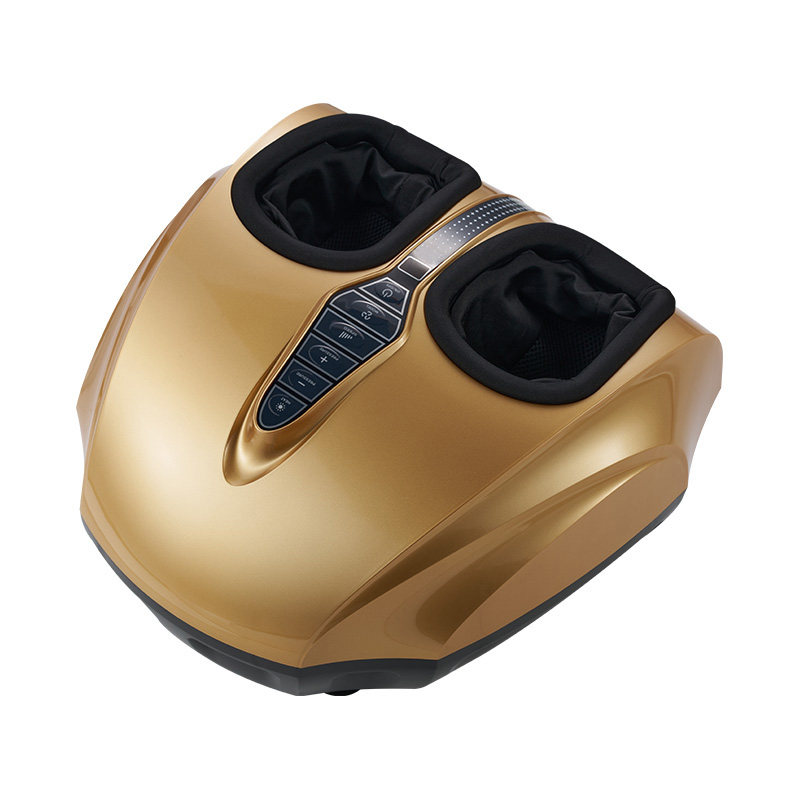
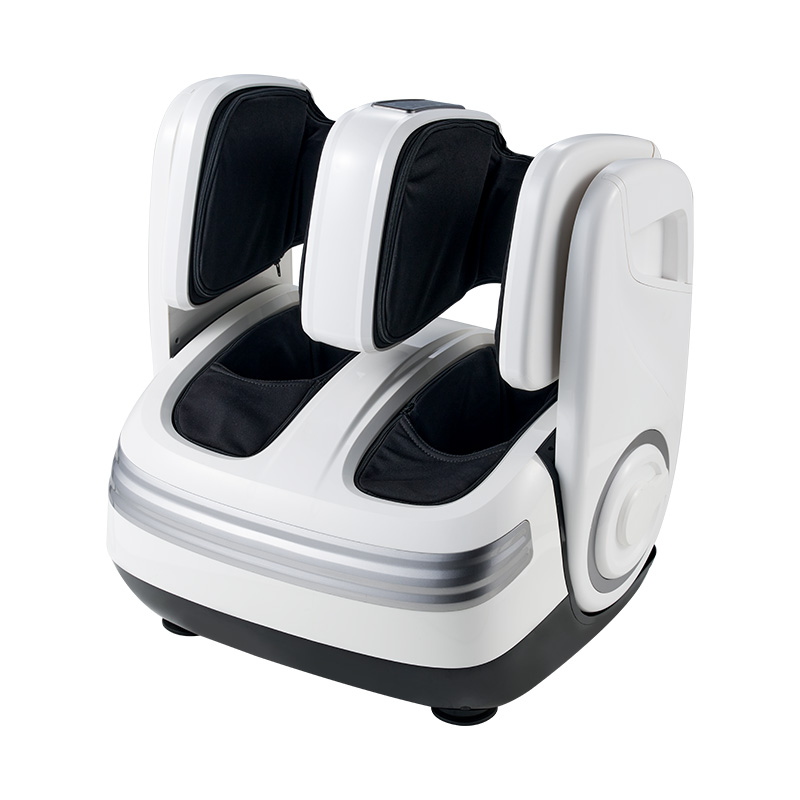
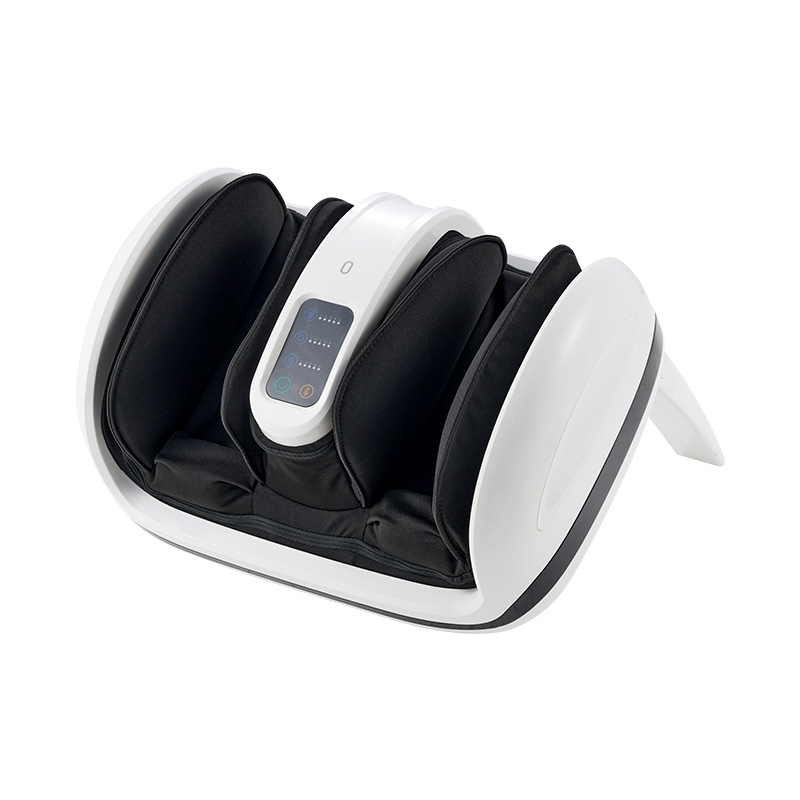
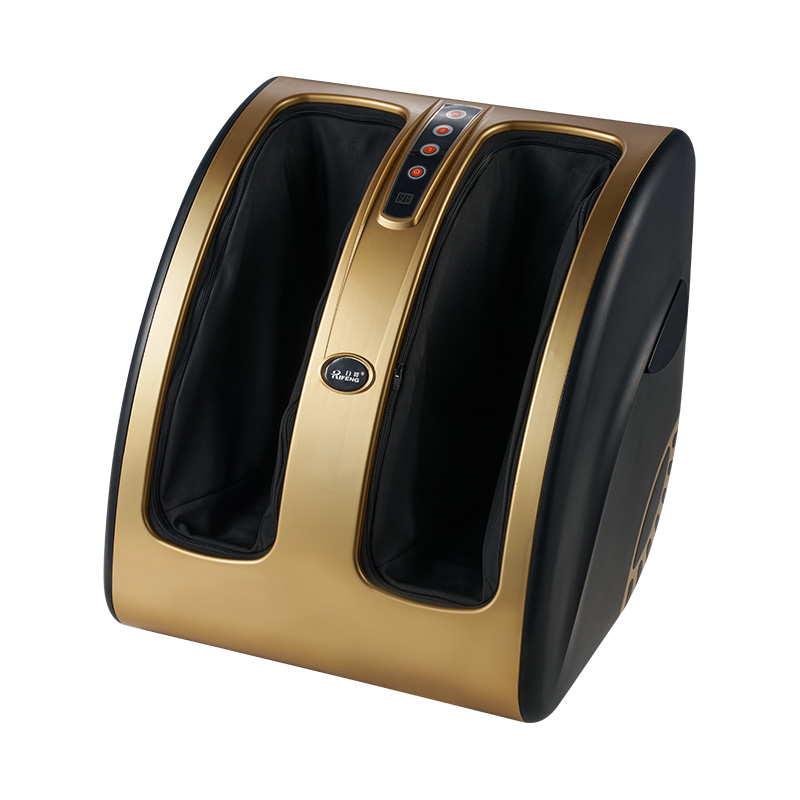
That combination gives the Reflexology Electric Foot Massage Machine a broader role in home foot-care equipment. Buyers looking at these products can pay attention to roller layout, massage zones, adjustable intensity, heat levels, automatic programs, and coverage rather than judging the machine only by its pressure-point claims.
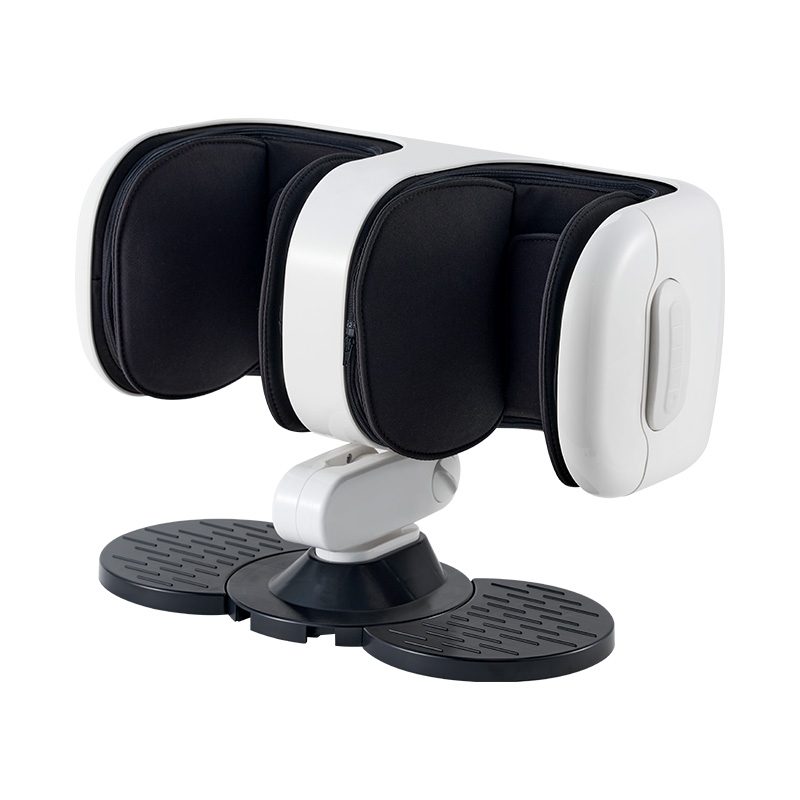
- RF-688 Detachable Lightweight Leg & Foot Massager
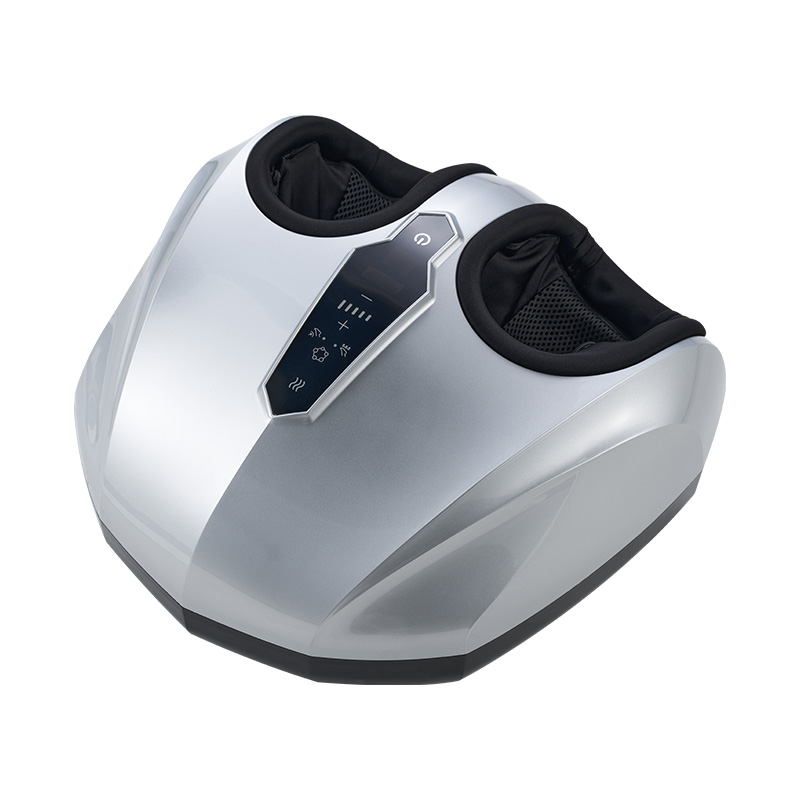
- RF-597 Deep Kneading Shiatsu Foot Massager with Heat
- RF-671 Full Wrapped Heat Shiatsu Foot Massager
- RF-697 Shiatsu Foot Massager with Heat and Deep Kneading
- RF-7900 Electric Air Pressure Foot and Calf Massager Machine
- RF-650 Electric Shiatsu Heating Foot Massager Machine
- RF-8200 Electric Leg and Foot Massager Machine
- RF-8700 Foot and Calf Massager For Relaxation And Stress Relief
Copyright © Zhejiang Rifeng Electrical Appliance Co., Ltd.
Foot Massager Factory
