
 English
 日本語
日本語 한국어
한국어 Deutsch
 中文简体
中文简体Is Electric Foot Massager Factory Really Direct Manufacturer
Modern wellness device buyers rarely trust surface-level product claims. Searches around Electric Foot Massager Factory often reflect deeper concerns about authenticity, production control, customization ability, and whether a supplier is truly a factory or just a trading intermediary. Discussions across B2B platforms and industry forums show that buyers increasingly want transparency in manufacturing processes, not just promotional descriptions.
Electric foot massagers sit in a competitive OEM/ODM landscape where product similarity is high, so factory capability becomes a key differentiator rather than just pricing. Questions commonly raised by importers include production scale, motor quality, certification coverage, and whether the supplier can support private label development without outsourcing critical steps.
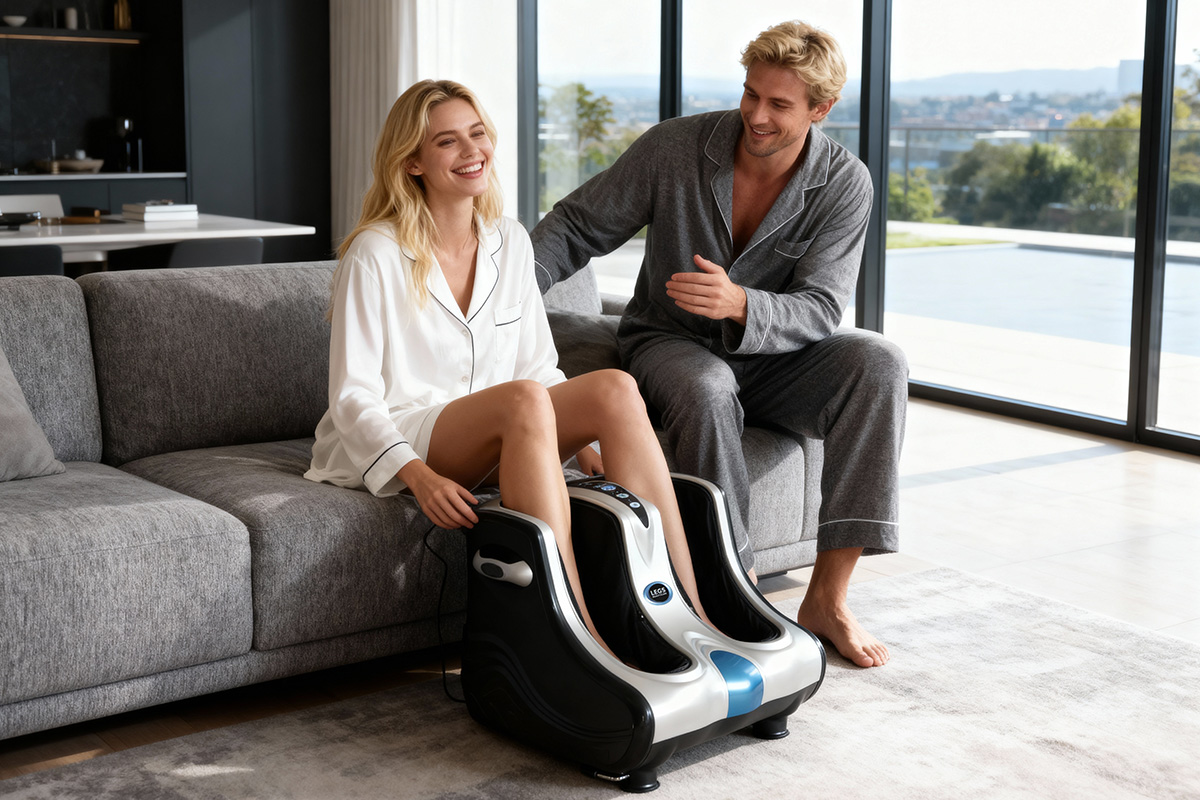
Factory Authenticity and Production Control
A major concern in sourcing is whether an Electric Foot Massager Factory is genuinely manufacturing products or simply reselling finished goods.
Reliable manufacturers usually maintain:
- In-house mold development and structural design teams
- Integrated assembly lines for motors, heating modules, and air compression systems
- Independent quality inspection stages across production
- Documented production capacity with monthly output data
Typical mid-scale factories operate automated or semi-automated lines producing tens of thousands of units monthly. Some established facilities reach 300,000+ units per month under stable supply conditions, especially for OEM programs.
Factories with full production control usually reduce dependency on external workshops. This structure helps stabilize delivery schedules and maintain consistent quality across batches.
Motor System and Performance Engineering
User feedback frequently focuses on durability and massage strength variation between brands. At factory level, performance differences come from motor configuration and internal architecture.
Common technical configurations include:
- DC brush motors with 12V–24V output range
- Air compression pumps operating at 30–60 kPa pressure range
- Kneading rollers with adjustable torque systems
- Dual-zone heating modules reaching 40°C–50°C
Higher-grade production lines often integrate low-noise motor designs, keeping operating sound under 45–55 dB. This specification matters for home usage environments where quiet operation improves user comfort.
Motor sourcing quality directly influences failure rates. Industry discussions often highlight that unstable supply chains for motors or heating elements can affect production consistency and long-term reliability.
Certification and Safety Expectations
Buyers frequently question whether products from a Foot Massager Factory meet international compliance standards.
Professional manufacturers typically provide:
- CE certification for European markets
- RoHS compliance for material safety
- UKCA or FCC depending on target regions
- ISO9001 quality management systems
Certification is not just paperwork; it reflects production discipline. Factories with structured inspection systems often implement:
- Incoming material testing for circuit boards and plastics
- Aging tests lasting 3–4 hours per unit batch
- Full-function testing before packaging
This type of workflow reduces early-life failure rates, a common concern among importers dealing with consumer returns.
OEM Customization and Private Label Capability
Another frequently asked question relates to customization flexibility under an Electric Foot Massager Factory model.
OEM services typically include:
- Logo printing on shell or control panel
- Packaging redesign for retail branding
- Adjustment of massage modes and intensity levels
- Color variation and material upgrades
- Software or control board modifications
Lead time depends on complexity:
- Basic branding changes: 3–5 days
- Functional adjustments: 7–15 days
- Structural redesign: 15–30 days
Minimum order quantities usually vary from 100 to 2,000 units depending on customization depth. This structure allows both small brands and large distributors to enter the market with different investment levels.
Product Design Differences Buyers Commonly Notice
End users often perceive product differences as “comfort” or “strength,” but factory analysis shows multiple engineering factors behind these impressions.
Key design variables include:
- Roller spacing and arc curvature
- Airbag placement inside foot chambers
- Heating pad distribution zones
- Material density of foot lining
- Control program timing sequences
Small structural changes can significantly alter massage perception. For example, tighter roller spacing increases pressure concentration, while wider spacing improves relaxation coverage.
Material selection also plays a role. ABS housing remains standard due to heat resistance and durability, while inner linings often use breathable fabric or silicone-based padding for comfort and hygiene.
Supply Chain Stability and Manufacturing Risks
Industry reports and buyer feedback indicate that supply chain disruptions remain a recurring issue in foot massager production. Components like pumps, chips, and heating elements may face delays depending on upstream suppliers.
Factories with stronger internal sourcing networks tend to manage:
- Multi-supplier component strategies
- Buffer inventory for critical parts
- Modular design structures for easier replacement
This reduces production stoppages and helps maintain delivery schedules during demand fluctuations.
Quality variation across batches is another concern often linked to inconsistent component sourcing or insufficient inspection protocols.
Market Expectations and Buyer Decision Patterns
The global foot massager market continues expanding, driven by home wellness demand and increasing awareness of foot therapy benefits. Buyers now evaluate factories not only on price but also on long-term brand support capability.
Common decision factors include:
- Product lifespan expectations (typically 1–3 years for consumer devices)
- Warranty structure (12–24 months in many OEM programs)
- Return rate management systems
- After-sales technical support availability
Factories that can support long-term cooperation often position themselves as strategic manufacturing partners rather than simple suppliers.
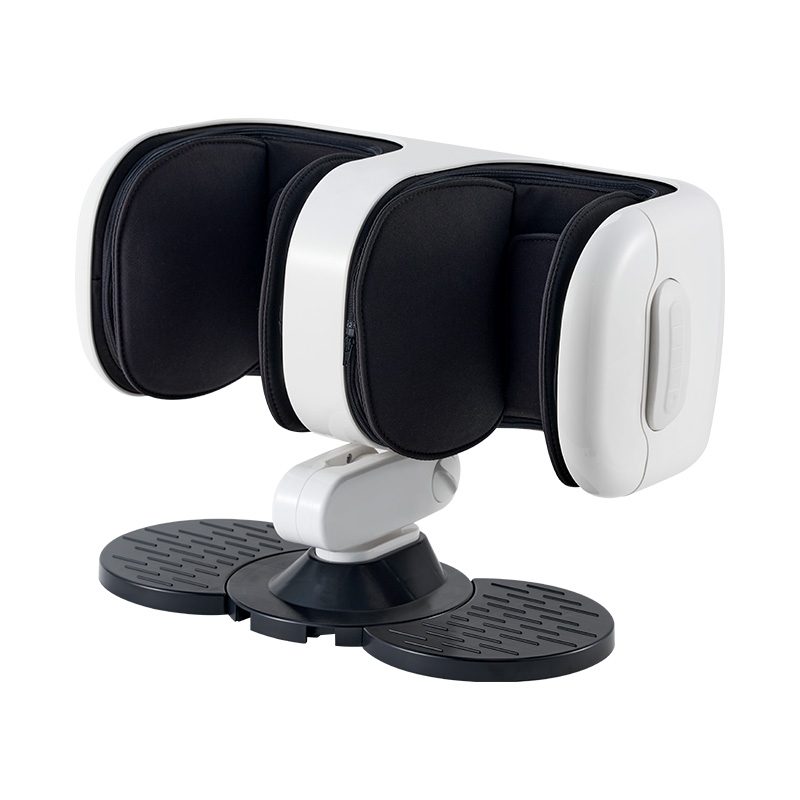
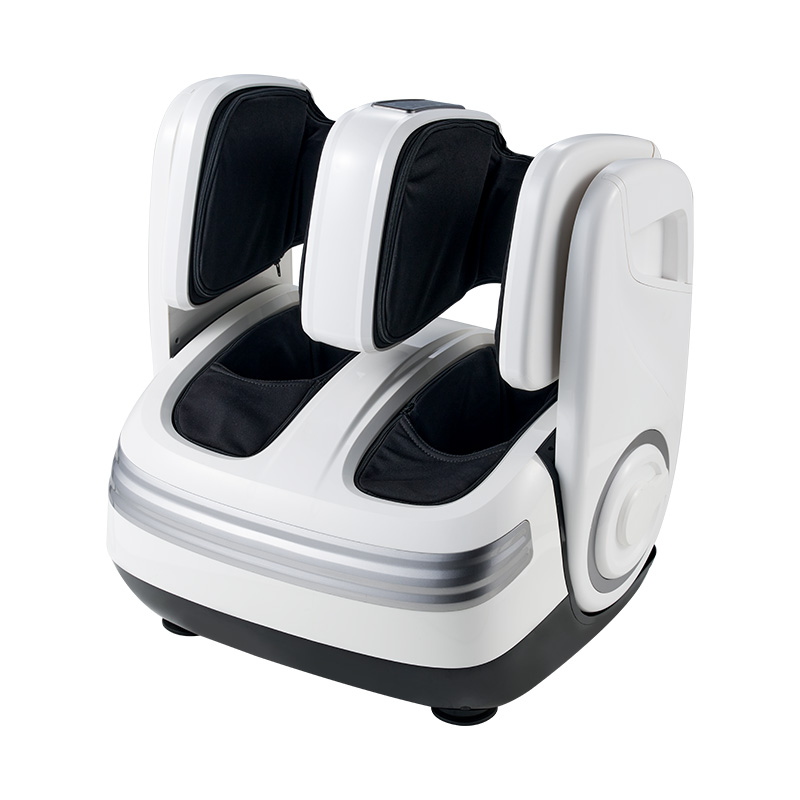
- RF-688 Detachable Lightweight Leg & Foot Massager
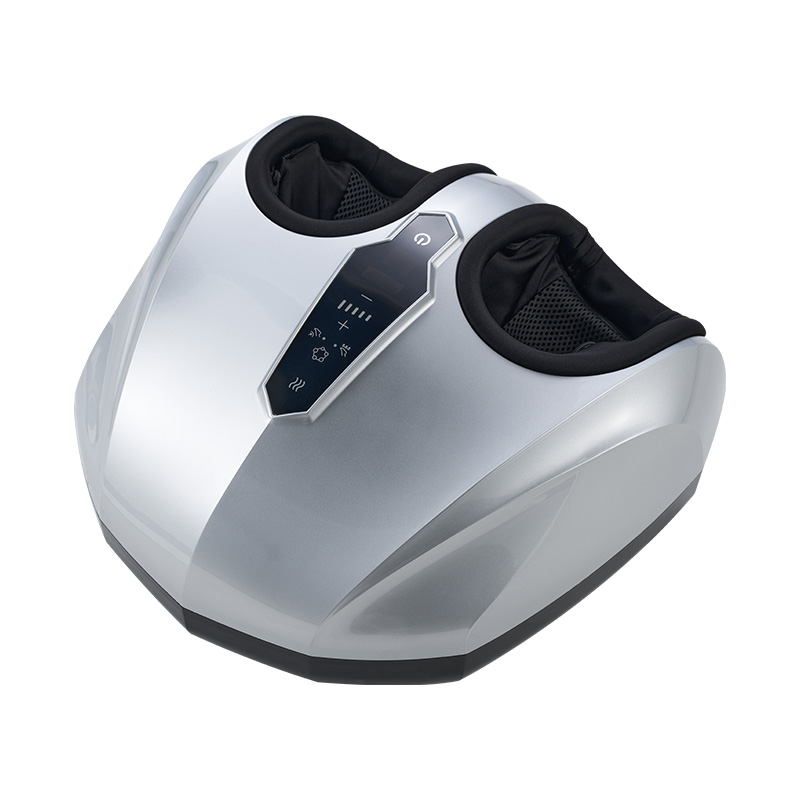
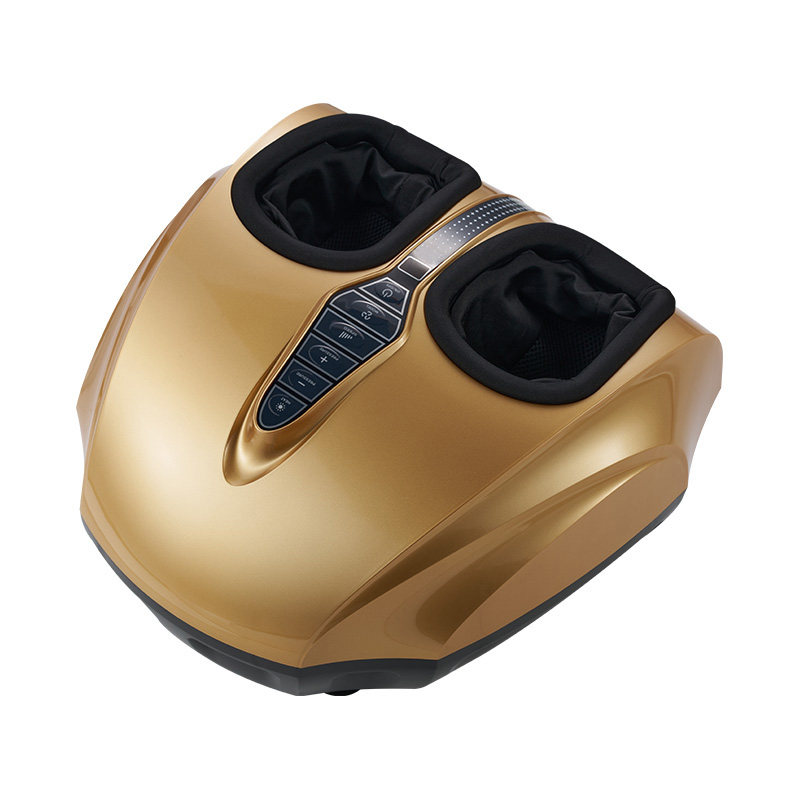
- RF-597 Deep Kneading Shiatsu Foot Massager with Heat
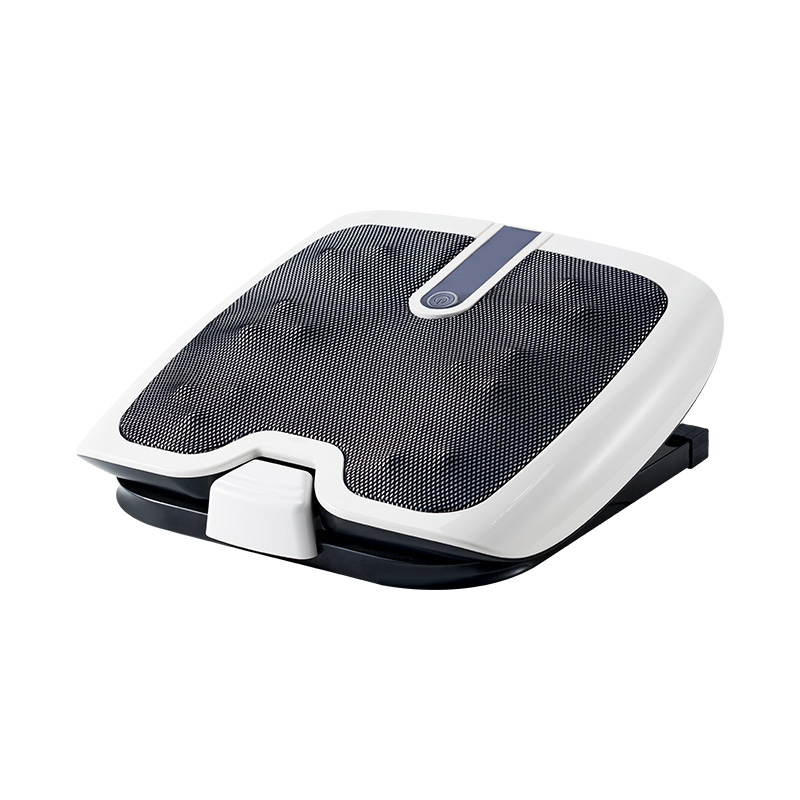
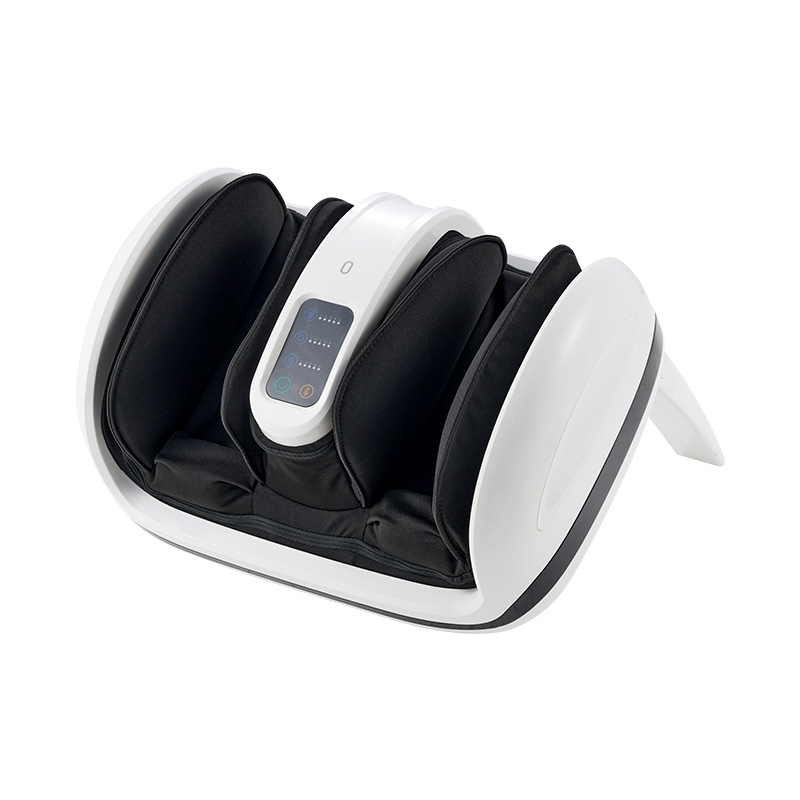
- RF-671 Full Wrapped Heat Shiatsu Foot Massager
- RF-697 Shiatsu Foot Massager with Heat and Deep Kneading
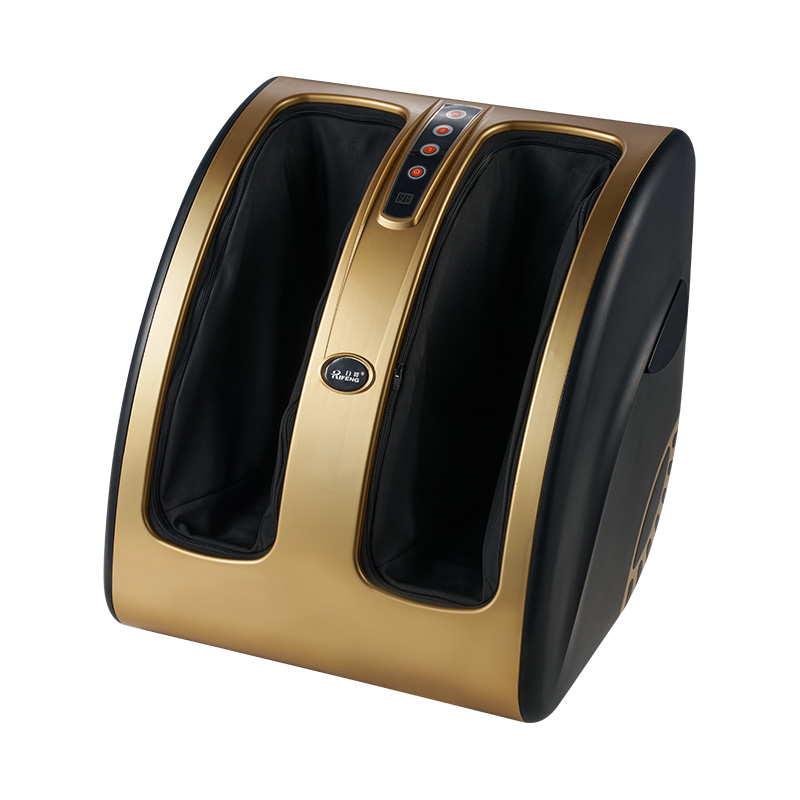
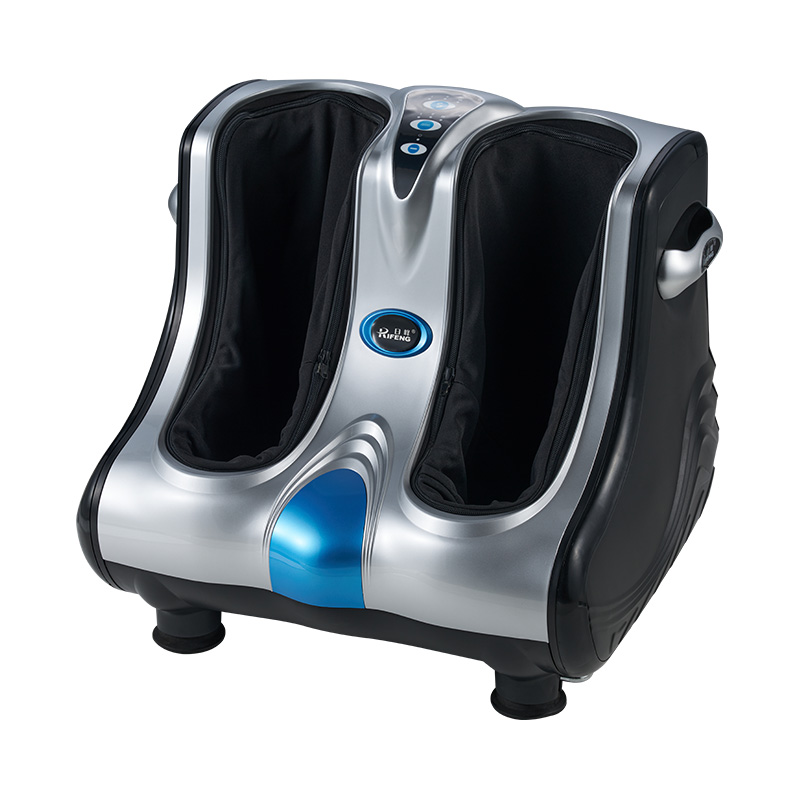
- RF-7900 Electric Air Pressure Foot and Calf Massager Machine
- RF-650 Electric Shiatsu Heating Foot Massager Machine
- RF-8200 Electric Leg and Foot Massager Machine
- RF-8700 Foot and Calf Massager For Relaxation And Stress Relief
Copyright © Zhejiang Rifeng Electrical Appliance Co., Ltd.
Foot Massager Factory
