
 English
 日本語
日本語 한국어
한국어 Deutsch
 中文简体
中文简体Selection of Acupressure Foot Massager
Understanding Acupressure Points and Reflexology Principles
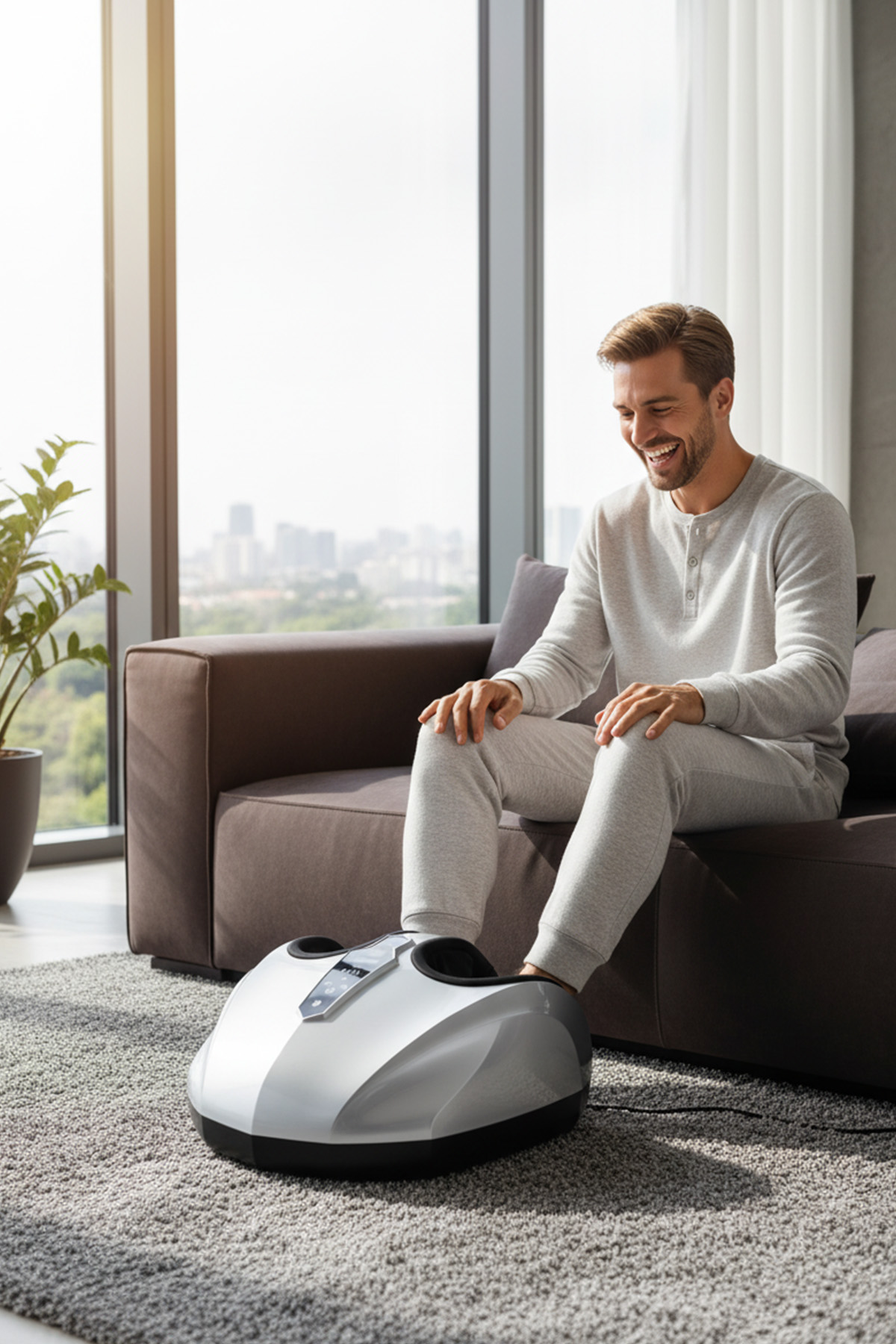
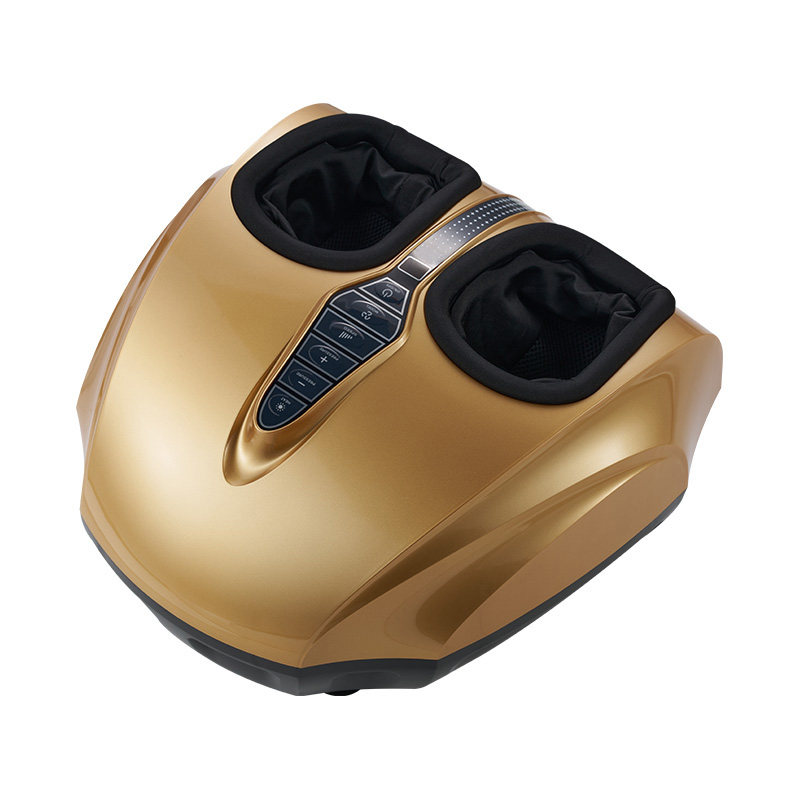
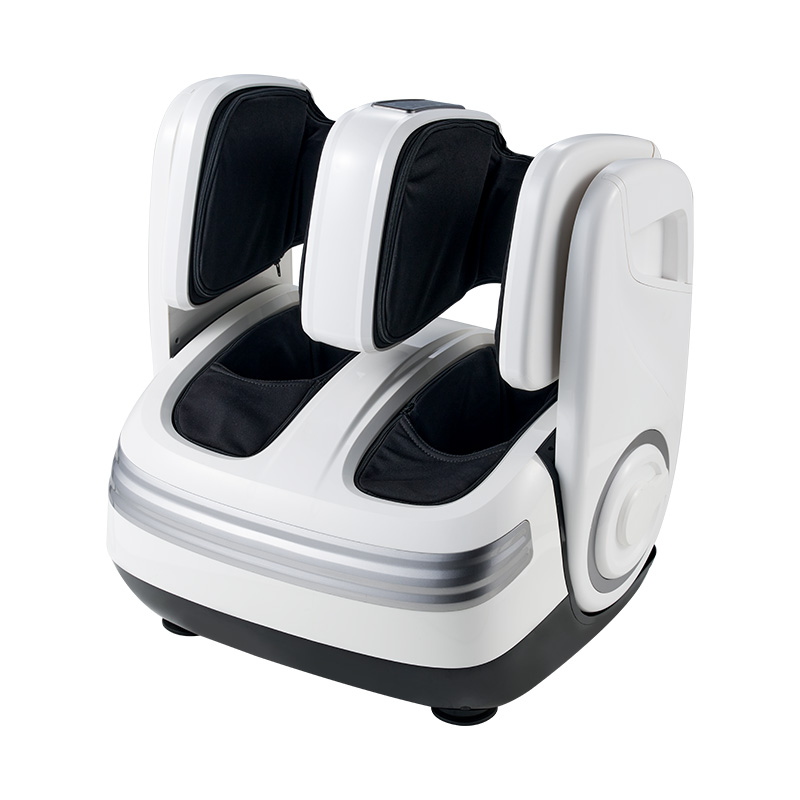
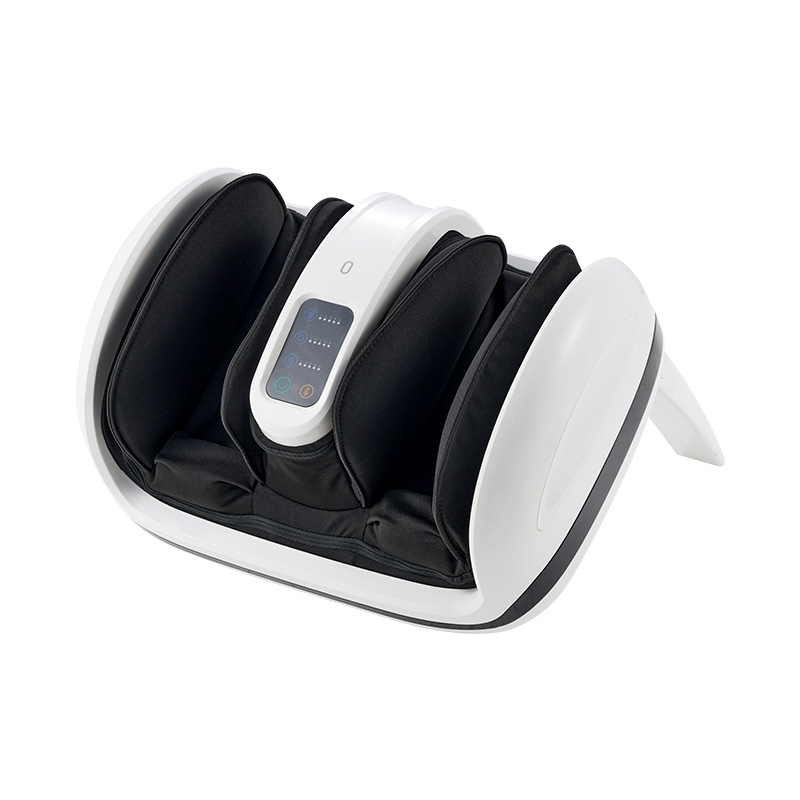
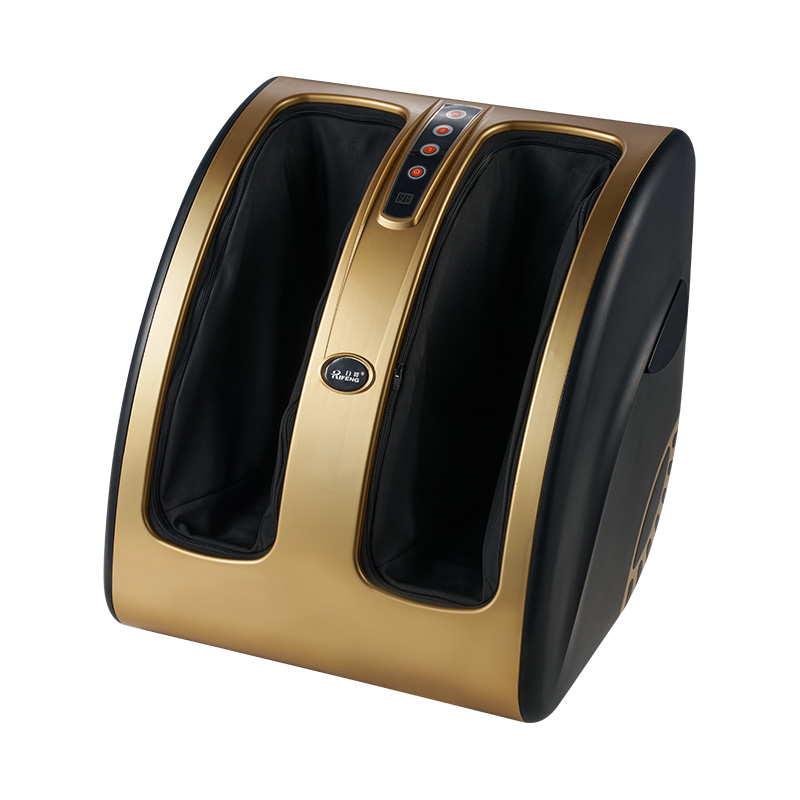
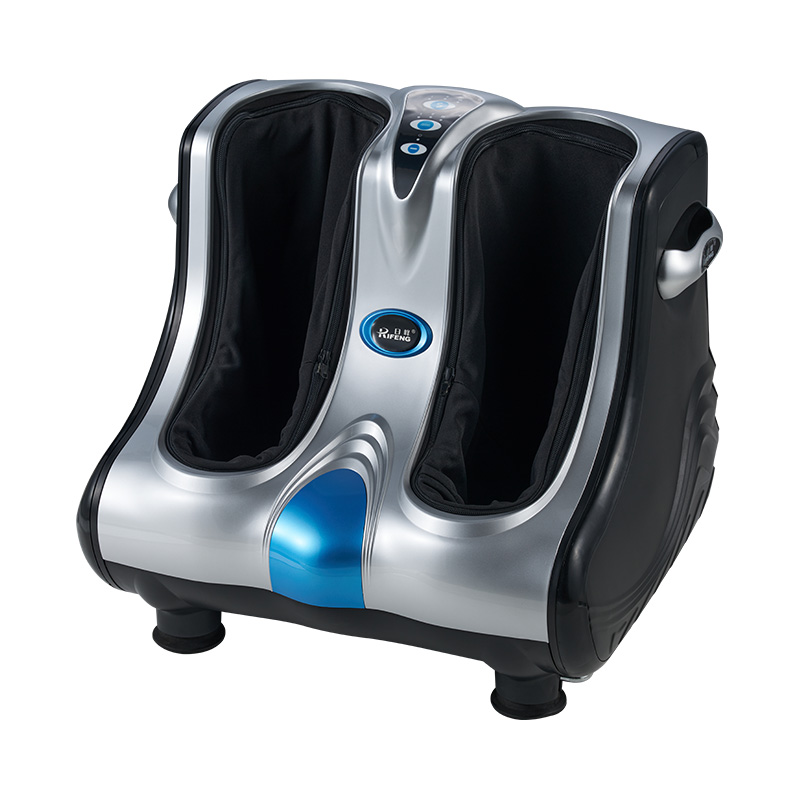
Acupressure foot massagers apply pressure to specific points on the soles, arches, and heels of the feet. According to reflexology maps, different zones on the foot correspond to organs and body systems. For example, the ball of the foot (under the toes) corresponds to the heart and chest; the arch corresponds to the digestive organs; the heel corresponds to the lower back and pelvis. Acupressure massagers do not “treat” medical conditions, but users report reduced muscle tension and improved circulation after use. The pressure applied ranges from 5 to 30 N (newtons), which is similar to a firm thumb press. Mechanical massagers use rotating nodes (plastic or silicone bumps mounted on a spinning disc) or rolling balls (steel or plastic, 15-30 mm diameter) that move back and forth along a track. Some models include adjustable intensity settings (low, medium, high), which change the rotation speed (20-60 rpm) or the distance the rolling balls travel (20-50 mm).
Heat Function and Its Effects
Many acupressure foot massagers include a heating element (carbon fiber or PTC ceramic) in the sole plate or in the rolling nodes. The heater raises the footplate temperature to 40-50°C (typical range, with a thermostat to prevent exceeding 55°C). Heat increases blood flow to the feet by vasodilation (expansion of blood vessels). A person with cold feet (skin temperature 22-25°C) will experience a rise to 30-35°C after 5-10 minutes of heat. The combination of heat and pressure reduces the sensation of pain by activating thermoreceptors (temperature sensors) that compete with pain signals at the spinal cord level. This is called the gate control theory of pain. However, users with diabetes or peripheral neuropathy (reduced sensation in the feet) should not use heat above 40°C because they may not feel excessive heat, leading to burns. The heating element draws 20-50 watts, so it adds little to the electricity cost (approximately $0.01-0.03 per hour of use). The heater typically has a 15-30 minute auto-shutoff to prevent overheating and reduce fire risk.
Duration and Frequency of Use
Most manufacturers recommend using an acupressure foot massager for 15-30 minutes per session, 1-3 times per day. Longer sessions (over 45 minutes) may cause bruising or soreness in people with sensitive feet. The recommended frequency is once daily for general relaxation, or before bedtime for people with restless leg syndrome (RLS). Studies on RLS have shown that foot massage for 20 minutes before sleep reduces symptom frequency by 30-40 percent for 4-6 hours. The massager should not be used on swollen feet (edema) because the pressure may force fluid into the surrounding tissues, increasing swelling. If the feet are swollen, elevate them for 30 minutes before using the massager at low intensity. Users should also avoid using the massager immediately after a foot injury (sprain, fracture) because the pressure may aggravate the injury. Wait until the acute phase (first 48-72 hours) has passed and swelling has subsided.
Cleaning and Hygiene Practices
Feet come into contact with the massager's surface, so hygiene is important. Removable fabric covers (washing machine safe, 30-40°C, mild detergent) are available for many models. Wash the covers weekly if the massager is used daily. For massagers without removable covers, wipe the footplate with a disinfectant wipe (70 percent isopropyl alcohol or a quaternary ammonium compound) after each use. Do not use bleach (sodium hypochlorite) or abrasive cleaners; they damage the plastic and rubber surfaces. The spaces between rolling nodes and around moving parts can trap dead skin cells and moisture, promoting bacterial or fungal growth. Use a soft brush (toothbrush) and soapy water to clean these areas monthly. Dry the massager thoroughly (air dry for 2-4 hours) before the next use. If the massager develops a musty smell, wipe all surfaces with a solution of 50 percent white vinegar and 50 percent water, then air dry in sunlight for 2 hours (UV light kills fungi). Do not submerge the massager in water; the electrical components are not waterproof. Water ingress can short-circuit the motor (causing a burning smell) or cause electric shock. If liquid is spilled on the massager, unplug it immediately and let it dry for 48 hours before attempting to use it again.
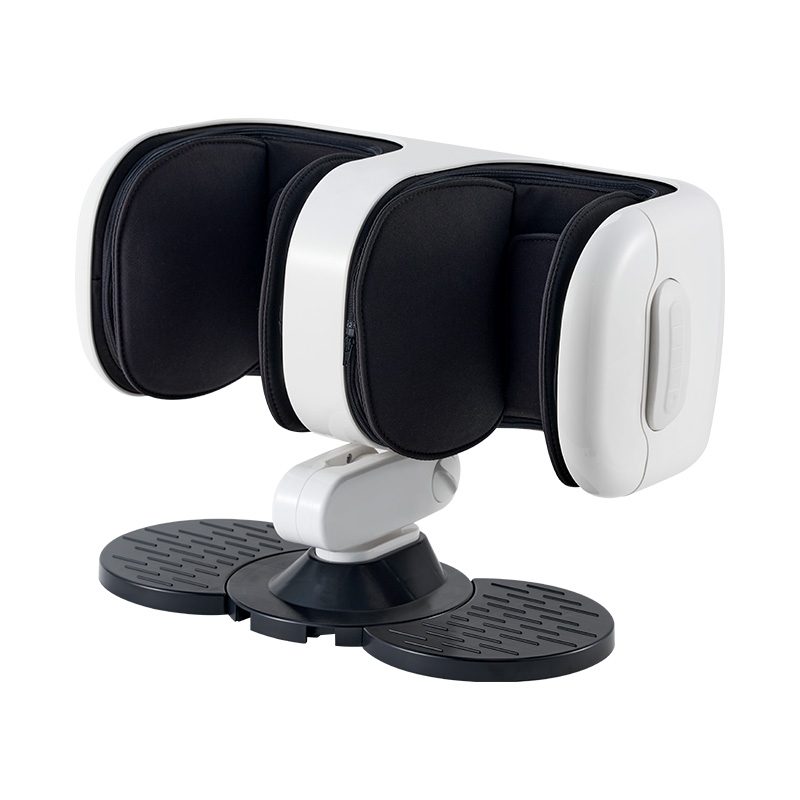
- RF-688 Detachable Lightweight Leg & Foot Massager
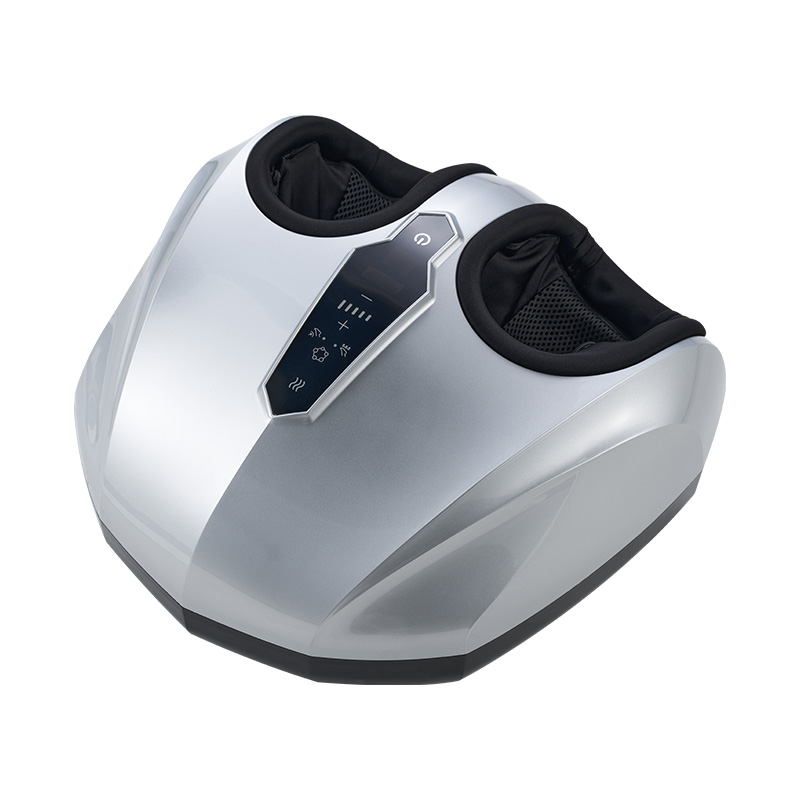
- RF-597 Deep Kneading Shiatsu Foot Massager with Heat
- RF-671 Full Wrapped Heat Shiatsu Foot Massager
- RF-697 Shiatsu Foot Massager with Heat and Deep Kneading
- RF-7900 Electric Air Pressure Foot and Calf Massager Machine
- RF-650 Electric Shiatsu Heating Foot Massager Machine
- RF-8200 Electric Leg and Foot Massager Machine
- RF-8700 Foot and Calf Massager For Relaxation And Stress Relief
Copyright © Zhejiang Rifeng Electrical Appliance Co., Ltd.
Foot Massager Factory
